Court Grants Citygate Foreclosure Order Over ₦150 Million Loan Default

Court Approves Foreclosure Action Over ₦150 Million Loan Default
A court has granted Citygate a foreclosure order in connection with a ₦150 million loan default, paving the way for the enforcement of security tied to the outstanding debt. The ruling represents a significant development in the recovery process and underscores the role of the legal system in resolving disputes involving secured lending and property-backed financing.
The decision allows Citygate to proceed with foreclosure measures in accordance with applicable laws and the terms of the lending agreement, following the borrower’s failure to meet repayment obligations.
/ You Might Also Like /


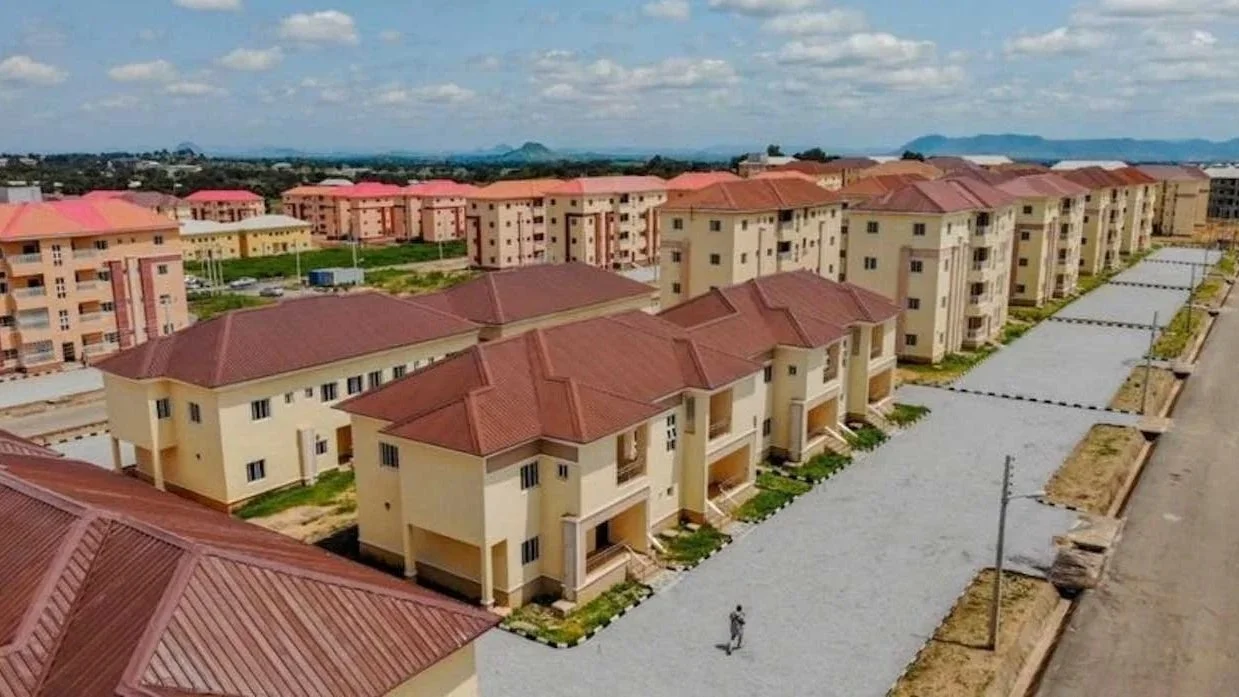

Court Authorises Foreclosure Proceedings
The court's ruling gives Citygate the legal authority to enforce its security interest over assets linked to the defaulted loan.
Foreclosure orders are typically issued when borrowers fail to fulfil repayment obligations under the terms of a loan agreement and lenders seek to recover outstanding funds through pledged collateral. The legal process ensures that recovery actions are conducted within established judicial and regulatory frameworks.
The case highlights the importance of enforceable lending arrangements within Nigeria’s financial and property markets.
Implications for Real Estate Finance
The ruling draws attention to the role of mortgage-backed and property-secured lending in the real estate sector.
Financial institutions and lending firms often rely on collateral arrangements to reduce credit risk and support access to financing. Effective enforcement mechanisms help strengthen confidence in lending transactions and contribute to the stability of the broader financial system.
Industry experts note that the ability to enforce security interests is a critical component of a functioning housing finance market.
Loan Recovery and Credit Discipline
Analysts say the case reinforces the importance of credit discipline among borrowers and adherence to contractual obligations.
Loan defaults can create financial pressures for lenders and may affect the availability of credit for future borrowers. As a result, lenders often pursue recovery measures when repayment obligations are not met.
The court’s decision demonstrates how legal processes can support debt recovery efforts while providing a structured framework for resolving disputes between borrowers and lenders.
Impact on the Property Market
Foreclosure actions can influence perceptions of risk within the property and housing finance sectors.
While enforcement mechanisms are necessary for maintaining lender confidence, stakeholders also stress the importance of responsible lending practices, borrower education and effective risk assessment. Balanced approaches to housing finance can help promote sustainable market growth while protecting the interests of both lenders and borrowers.
The case serves as a reminder of the legal and financial responsibilities associated with property-backed borrowing.
Strengthening Investor Confidence
Market participants generally view clear legal frameworks for debt recovery and asset enforcement as essential for attracting investment into financial and real estate markets.
Investors and lenders are more likely to provide capital when there is confidence that contractual agreements can be upheld and disputes resolved through established legal channels.
The ruling may therefore be seen as a positive signal regarding the enforceability of secured lending arrangements within Nigeria’s property finance ecosystem.
Outlook
As demand for housing finance and property investment continues to grow, experts expect greater attention to risk management, loan performance and regulatory compliance across the sector.
Financial institutions are likely to continue strengthening lending standards while ensuring that recovery mechanisms remain consistent with legal and regulatory requirements.
The outcome of the case may also influence how lenders structure future financing agreements and manage collateral arrangements.
Conclusion
The court’s decision to grant Citygate a foreclosure order over a ₦150 million loan default highlights the importance of legal enforcement mechanisms within Nigeria’s real estate finance market. The ruling reinforces lender rights under secured lending arrangements while underscoring the need for responsible borrowing, effective risk management and strong legal frameworks to support the growth of the housing and property sectors.
READ MORE