Construction Advances on Wuye Hospital Land Despite Residents’ Opposition
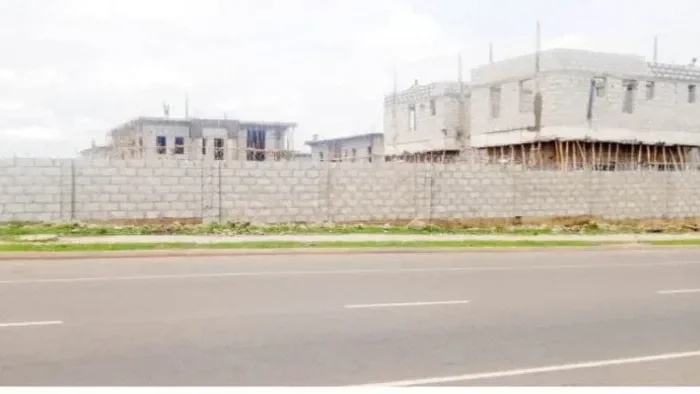
Wuye Residents Challenge Ongoing Development on Hospital Designated Land
Construction is continuing on a controversial development site in Abuja’s Wuye District despite sustained opposition from residents who argue that the land was originally designated for a public hospital. The project has generated debate over urban planning, land-use changes and the preservation of critical public infrastructure within the Federal Capital Territory. According to reports, significant construction activity is already underway on the site, with multiple structures at various stages of development.
/ You Might Also Like /


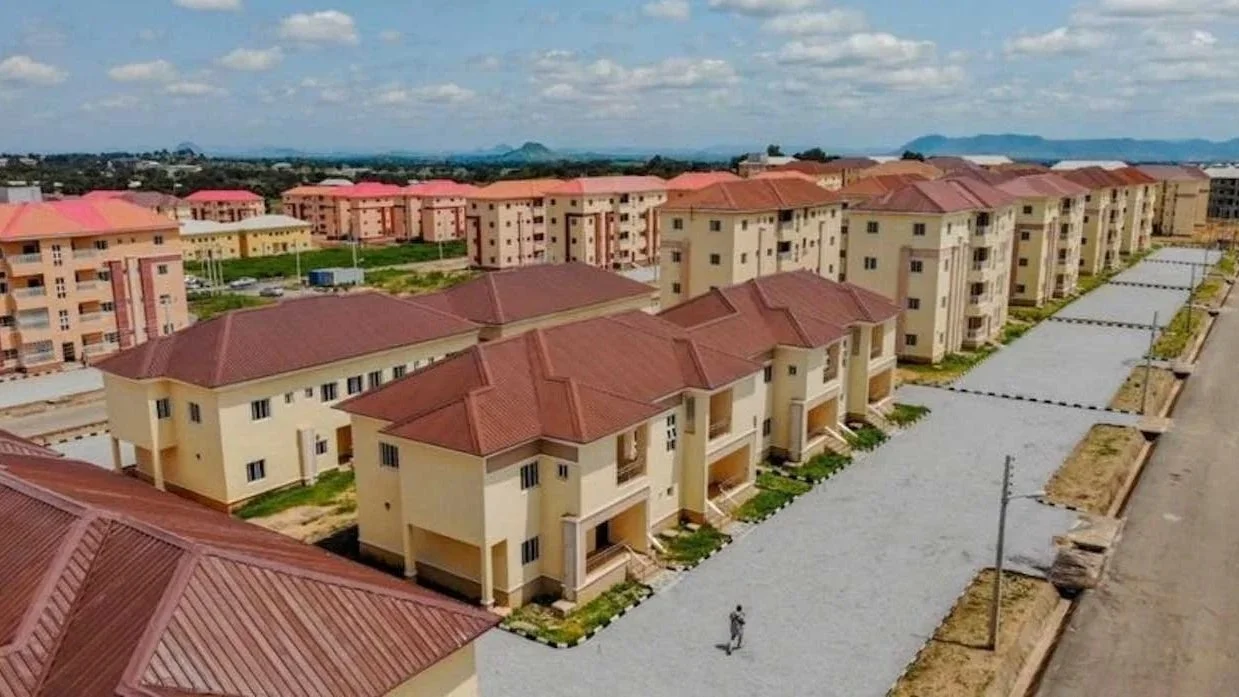

Residents have expressed concerns about the conversion of land earmarked for healthcare services into a residential development, arguing that the growing population in the area requires expanded access to public health facilities rather than a reduction in available healthcare infrastructure.
Residents Raise Concerns Over Land Use Change
Community members have questioned the decision to allow development on land reportedly designated for a hospital, stating that public facilities are essential to meeting the needs of Abuja’s expanding population.
Residents argue that healthcare infrastructure should remain a priority within rapidly developing districts such as Wuye, where population growth continues to place pressure on existing public services. They have called on relevant authorities to provide greater transparency regarding planning approvals and land allocation decisions.
Construction Activity Continues
Despite objections from sections of the community, construction work on the site has continued. Reports indicate that several structures have already been erected, reflecting significant progress on the development.
The continued pace of construction has intensified public discussion around compliance with planning regulations and the processes governing changes to designated land use within the Federal Capital Territory.
Implications for Urban Planning
The controversy highlights broader challenges facing urban planners as cities seek to balance residential development with the provision of essential public services.
Experts note that effective urban planning requires adequate allocation of land for healthcare, education, transportation and other critical infrastructure. Changes to previously designated public-use sites often attract scrutiny because of their potential impact on long-term service delivery and community development.
The situation in Wuye has renewed discussions about the importance of maintaining strategic land reserves for future public infrastructure projects.
Impact on Housing and Infrastructure Development
The case also illustrates the growing demand for land within Abuja’s expanding property market. As residential development accelerates across the Federal Capital Territory, competition for strategically located land parcels continues to increase.
While new housing projects can help address accommodation needs, stakeholders emphasise that growth should be balanced with investments in healthcare, transportation and other public infrastructure necessary to support sustainable urban development.
Industry observers note that integrated planning remains essential to ensuring that housing expansion does not come at the expense of critical community services.
Calls for Greater Transparency
Residents and civil society groups have called for greater transparency regarding planning approvals, land-use decisions and the criteria used when modifying the original purpose of public land allocations.
Stakeholders argue that clear communication and public engagement can help reduce disputes while improving confidence in urban development processes.
The controversy is likely to remain a subject of public interest as construction progresses and questions surrounding the site's original designation continue to attract attention.
Outlook
The Wuye development dispute underscores the increasing importance of strategic urban planning as Abuja continues to grow. Authorities may face renewed pressure to clarify the status of the land and address concerns raised by residents regarding healthcare infrastructure provision.
Future decisions involving public land use are likely to be closely monitored by communities, developers and policymakers seeking to balance development objectives with the long-term needs of residents.
Conclusion
The continued construction on land reportedly designated for a hospital in Abuja’s Wuye District has intensified debate over land use, urban planning and public infrastructure priorities. While development progresses, residents maintain concerns about the potential loss of healthcare facilities and the broader implications for community development. The outcome of the controversy could influence future discussions around planning transparency and infrastructure preservation in the Federal Capital Territory.
READ MORE