Soludo Explains Why Anambra Rejected World Bank Loan Despite Zero Interest
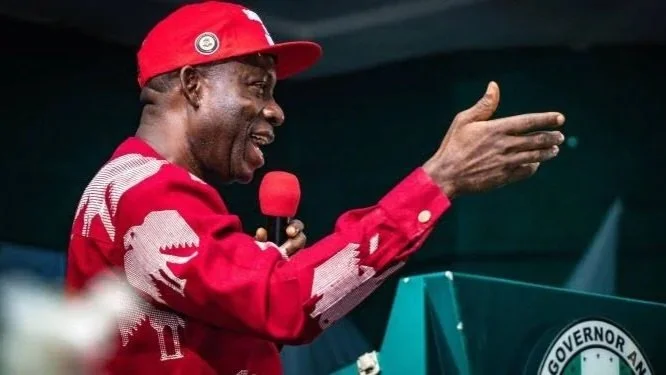
Soludo Defends Zero Borrowing Policy, Explains World Bank Loan Exit
Anambra State Governor Charles Soludo has explained why his administration withdrew from a World Bank-backed loan programme, saying exchange rate distortions at the time would have made the facility prohibitively expensive despite its concessional terms. Speaking at the Delta State Economic and Investment Summit, Soludo maintained that prudent fiscal management and macroeconomic stability are more important than accessing low-interest external financing.
/ You Might Also Like /


The governor disclosed that Anambra was the only state to withdraw from the World Bank-supported NG-CARES programme after his administration assessed the long-term implications of the prevailing foreign exchange regime. He added that the state has not borrowed from commercial banks, the Federal Government or international financial institutions since he assumed office.
Exchange Rate Risk Drove the Decision
Soludo explained that although the World Bank facility carried little or no interest, exchange rate instability would have substantially increased its effective repayment cost.
He argued that borrowing in foreign currency during a period of exchange rate distortion would expose the state to significant repayment risks once the naira adjusted to market realities. According to the governor, the anticipated depreciation would have translated into an effective financing cost far higher than the stated interest rate.
Commitment to a Zero Borrowing Policy
The governor reiterated that Anambra has pursued a zero-borrowing policy throughout his administration.
He noted that despite legislative approval for borrowing in previous years, his government chose not to utilise the facility, preferring to finance development projects through internally generated resources and prudent fiscal management. Soludo maintained that the approach has enabled the state to execute infrastructure and human capital projects without increasing its debt burden.
Improving Macroeconomic Conditions
While defending the earlier decision to withdraw from the World Bank programme, Soludo acknowledged that Nigeria's macroeconomic environment has become more stable.
He pointed to improvements in foreign exchange reserves and greater exchange rate stability as positive developments that could strengthen investor confidence and improve the country's ability to attract long-term private capital.
Implications for Housing and Infrastructure
For the housing and infrastructure sectors, Soludo's remarks highlight the importance of macroeconomic stability in financing long-term development.
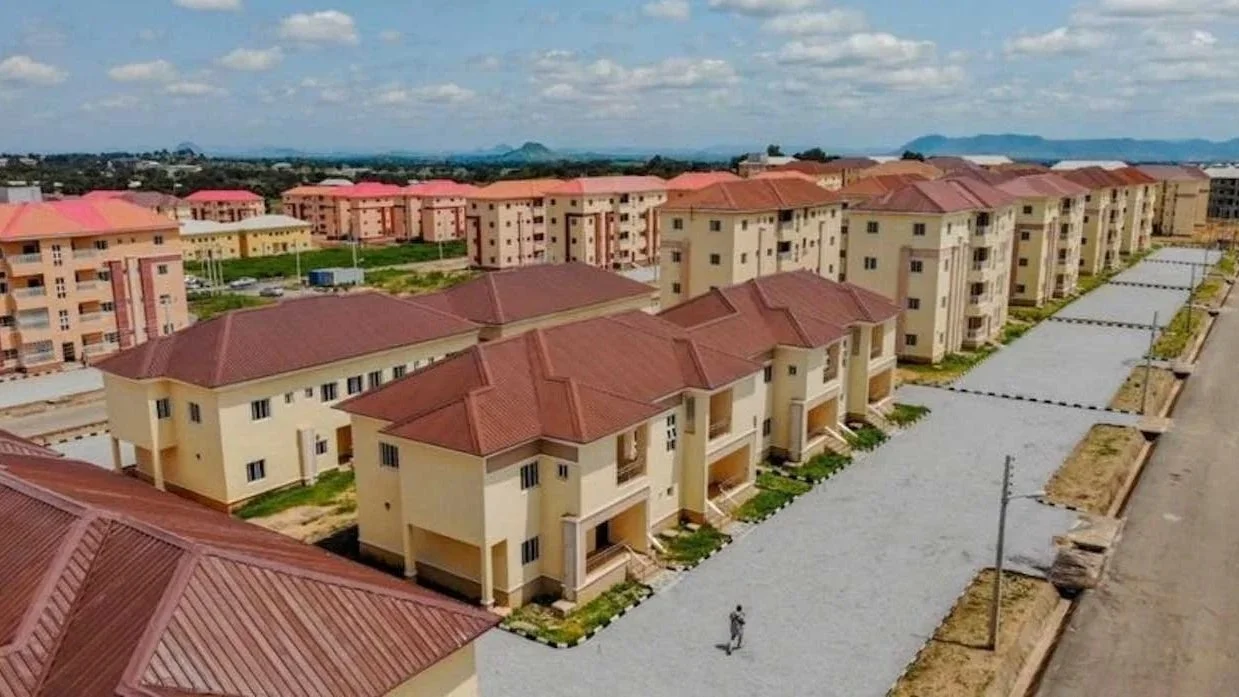
Large housing schemes, urban infrastructure projects and mortgage finance programmes often rely on concessional external funding. However, where projects are financed through foreign currency borrowing, exchange rate volatility can significantly increase repayment costs and place additional pressure on public finances.
A more stable exchange rate environment reduces financial uncertainty, improves investor confidence and makes long-term infrastructure and housing investments easier to plan and finance.
Why It Matters
Sub-national governments increasingly face the challenge of balancing infrastructure financing needs with debt sustainability.
Soludo's position underscores the growing emphasis on prudent borrowing, exchange rate risk management and fiscal discipline as states seek to fund development without creating unsustainable debt obligations. The debate also reflects broader concerns about how macroeconomic conditions influence the affordability of externally financed infrastructure projects.
Outlook
As Nigeria's macroeconomic environment continues to stabilise, states may find it easier to attract private investment and secure development financing on more sustainable terms. For the housing sector, improved fiscal stability and reduced foreign exchange volatility could strengthen confidence in long-term infrastructure projects, affordable housing programmes and real estate investment.
READ MORE