Nigeria’s Housing Deficit: How Big Is the Problem in 2026?
A Data-Driven Look at Nigeria’s Housing Deficit in 2026
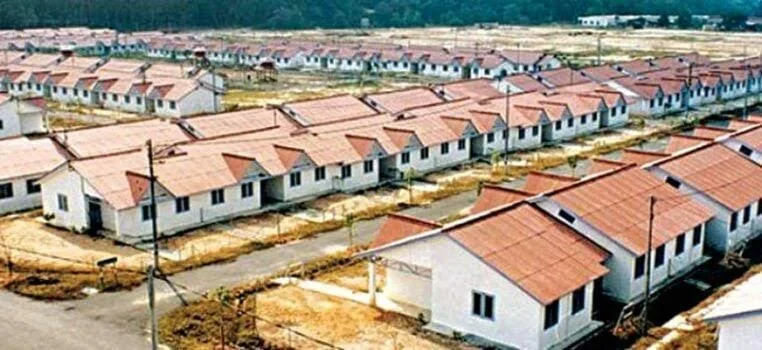
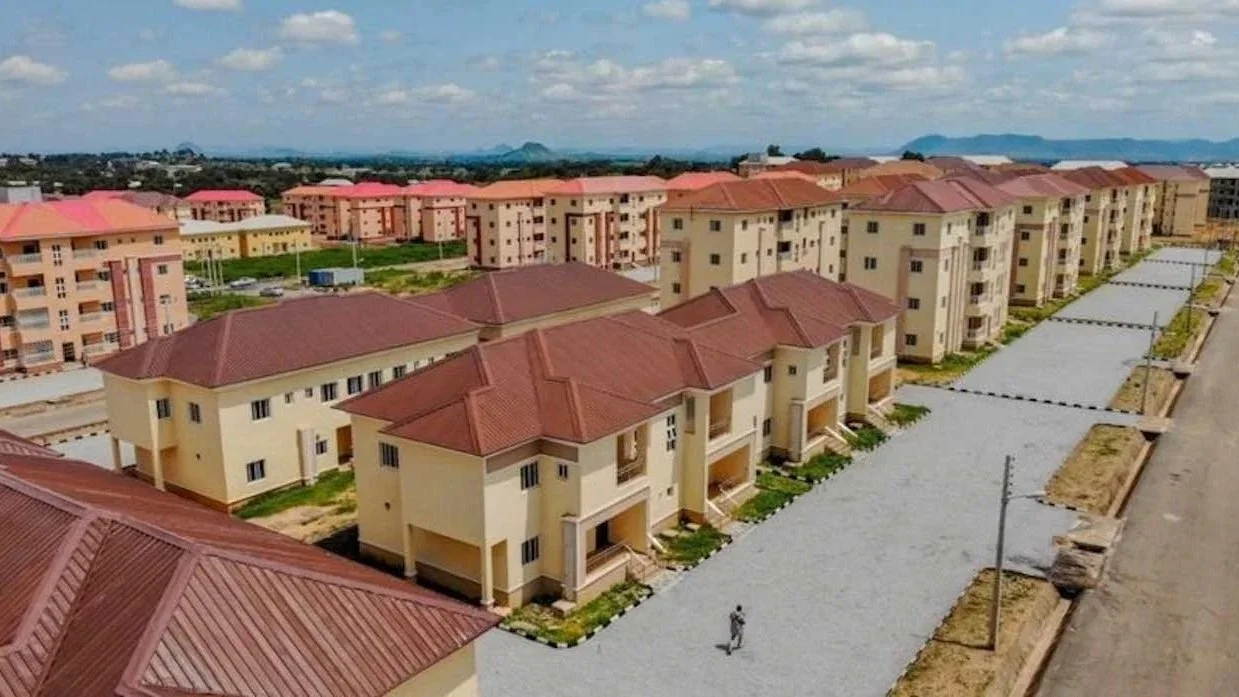
Nigeria’s housing deficit remains one of the most critical structural challenges facing the country’s real estate sector in 2026. Recent data from the Federal Government places the deficit at approximately 14.9 million housing units, offering a more data-driven benchmark than earlier estimates that ranged above 20 million units. This gap highlights a persistent imbalance between housing demand and supply, with significant implications for affordability, urban development, and investment strategy.
/ You Might Also Like /



A Revised Estimate: From Speculation to Data
For years, Nigeria’s housing deficit was widely cited at over 20 million units. However, a newly validated dataset developed by the National Housing Data Technical Committee revised the figure to 14.925 million units for 2025, now serving as the most credible baseline heading in 2026.
This revision does not indicate an improvement in housing supply. Instead, it reflects the use of standardised data sources, including national surveys and housing adequacy metrics aligned with global best practices.
The updated figure reframes the housing debate, shifting focus from speculative estimates to measurable policy targets.
Demand Pressures: Population Growth and Urbanisation
Nigeria’s population growth and rapid urbanisation remain the primary drivers of housing demand. Over 54% of the population now lives in urban areas, according to World Bank data, intensifying pressure on housing infrastructure.
Cities such as Lagos illustrate the scale of the challenge. The state alone faces a housing shortfall of over 2.7 million units despite ongoing development pipelines.
At a national level, demand continues to outpace supply due to:
Rural-to-urban migration
Household formation rates
Limited expansion of affordable housing stock
Supply Constraints: Why the Gap Persists
Several structural factors continue to limit housing delivery in Nigeria:
1. High Construction Costs
Rising prices of building materials and infrastructure costs reduce developer capacity and increase property prices.
2. Limited Access to Housing Finance
Mortgage penetration remains low, restricting homeownership for a large segment of the population.
3. Land Administration Bottlenecks
The Land Use Act centralises land ownership under state governments, often creating delays in title processing and project execution.
4. Developer Preference for High-End Projects
Developers frequently prioritise luxury developments due to higher margins, leaving a gap in affordable housing supply.
These constraints reinforce a cycle where housing remains inaccessible to the majority of Nigerians despite ongoing development activity.
Affordability Crisis and Market Implications
The housing deficit directly translates into an affordability crisis. Rising rents and stagnant income levels continue to widen the gap between demand and accessible housing.
Recent reports highlight that housing demand will continue to exceed supply in 2026, driven by population growth and macroeconomic pressures.
For investors, this creates a dual dynamic:
Strong demand fundamentals
Limited affordability among end-users
This imbalance shapes investment strategies, particularly in rental housing and mid-income developments.
Policy Response and Reform Efforts
The Federal Government has introduced several initiatives aimed at addressing the housing deficit, including:
National Housing Programme
Renewed Hope Housing Scheme
Data-driven housing policy reforms
However, experts emphasise that closing the gap requires coordinated action across land reform, infrastructure development, and housing finance expansion.
Without structural reforms, the pace of housing delivery is unlikely to match demand growth.
Investment Perspective: Opportunity Within Constraint
Despite the scale of the deficit, the housing gap presents a significant opportunity for investors.
A deficit of nearly 15 million units implies sustained demand for:
Rental housing
Affordable housing developments
Urban expansion projects
Industry estimates suggest that Nigeria would need to deliver approximately 500,000 housing units annually over the next decade to close the gap.
This underscores the role of private capital in bridging the housing shortfall.
Conclusion
Nigeria’s housing deficit in 2026 estimated at approximately 14.9 million units, reflects deep structural challenges rather than short-term market fluctuations. While improved data has clarified the scale of the problem, the underlying drivers urbanisation, affordability constraints, and limited housing finance remain unresolved.
For policymakers, the priority lies in enabling large-scale housing delivery through reform and investment. For investors, the deficit represents a long-term opportunity anchored in sustained demand.
The trajectory of Nigeria’s housing sector will ultimately depend on how effectively these structural gaps are addressed in the coming years.
READ MORE