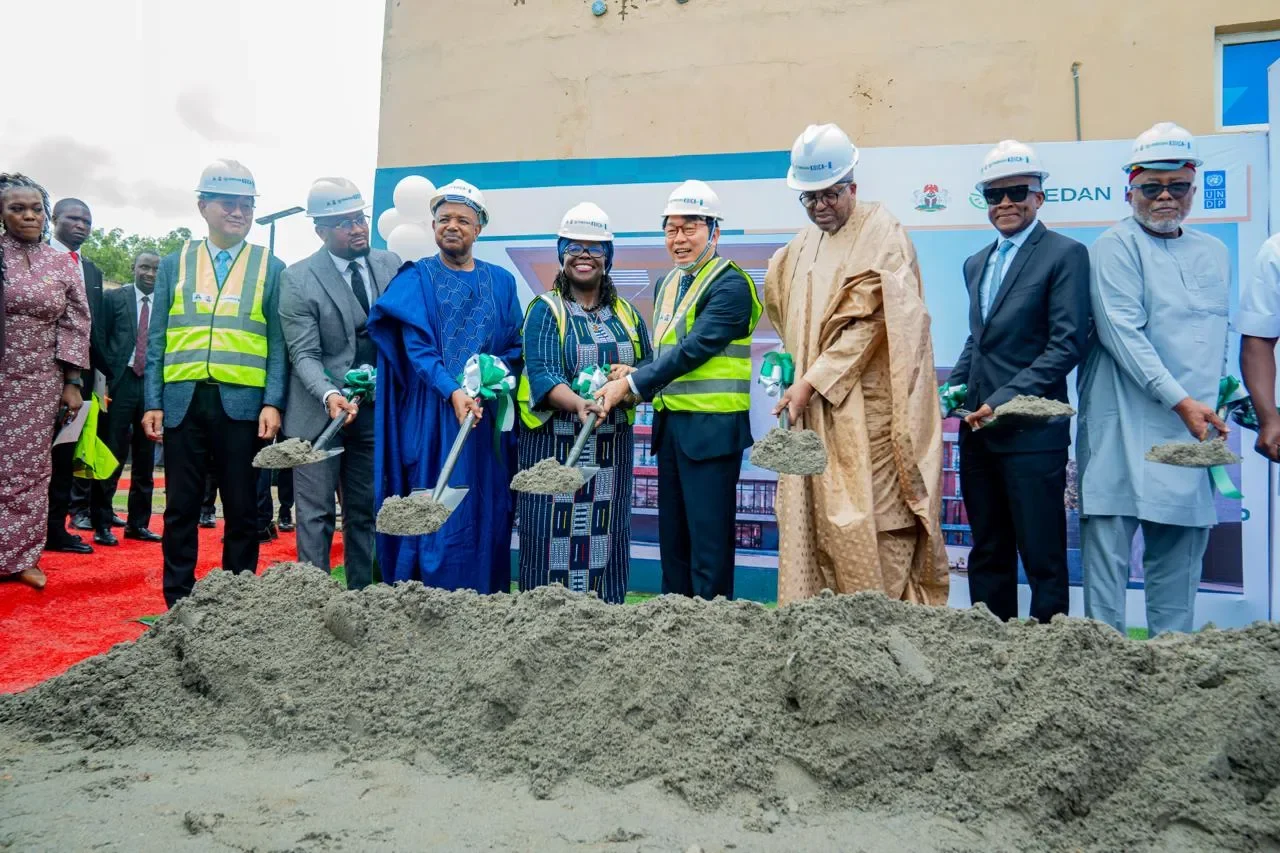
Correctional Service Unveils Housing Rehabilitation Committee

Committee to Oversee Rehabilitation of Correctional Service Housing Facilities
The Nigerian Correctional Service (NCoS) has inaugurated a Housing Rehabilitation Committee to assess and improve residential facilities for its personnel across the country. The initiative forms part of broader efforts to strengthen staff welfare, address infrastructure challenges and enhance living conditions within the correctional service.
Officials said the committee will evaluate the condition of existing housing assets, identify rehabilitation priorities and recommend strategies for upgrading accommodation facilities occupied by correctional officers and staff.
/ You Might Also Like /


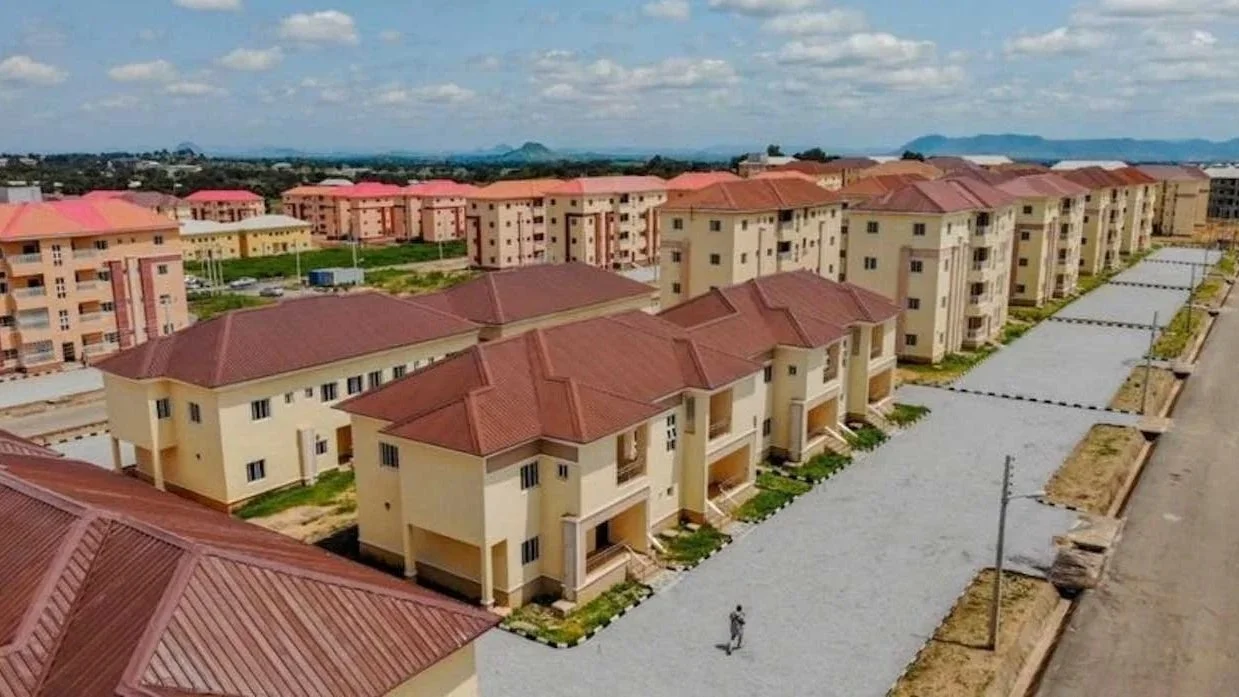

Focus on Housing and Staff Welfare
The establishment of the committee underscores the growing recognition of housing as a critical component of employee welfare within public institutions.
According to the NCoS, adequate housing contributes to staff productivity, morale and operational efficiency. By addressing deficiencies in residential infrastructure, the service aims to create a more conducive living environment for personnel and their families.
The initiative also reflects ongoing efforts to improve working and living conditions across security and public service institutions.
Assessing Existing Housing Infrastructure
One of the committee’s primary responsibilities will be to conduct a comprehensive assessment of existing housing facilities under the control of the correctional service.
The review is expected to identify structures requiring renovation, rehabilitation or replacement, while also providing recommendations on long-term maintenance and infrastructure management.
Stakeholders note that many government-owned residential facilities across the country require significant upgrades due to years of wear, population growth and limited maintenance funding.
Addressing Infrastructure Deficits
The housing rehabilitation initiative comes amid wider discussions about infrastructure deficits affecting public-sector institutions.
Adequate staff accommodation remains a challenge for several government agencies, particularly in locations where housing demand has increased significantly over time. Improving residential infrastructure can help enhance employee welfare while supporting institutional effectiveness.
Experts argue that sustained investment in housing assets is essential for maintaining service delivery standards and attracting skilled personnel to critical public-sector roles.
Implications for the Housing Sector
Although focused on institutional housing, the initiative highlights the broader importance of rehabilitation and maintenance within Nigeria’s housing ecosystem.
Industry professionals have repeatedly emphasised the need to preserve and upgrade existing housing stock alongside efforts to construct new units. Rehabilitation projects can extend the lifespan of buildings, improve living standards and reduce the long-term costs associated with infrastructure deterioration.
The committee’s work may also provide insights into best practices for managing and maintaining public-sector housing assets.
Outlook
The Housing Rehabilitation Committee is expected to submit recommendations that will guide future investments in correctional service accommodation across the country.
Observers will be watching to see how quickly identified housing challenges are addressed and whether the initiative leads to measurable improvements in staff welfare and infrastructure quality.
As housing remains a critical component of public-sector development, similar rehabilitation efforts may emerge across other government institutions seeking to improve living conditions for employees.
Conclusion
The inauguration of the Housing Rehabilitation Committee marks an important step in the Nigerian Correctional Service’s efforts to improve staff welfare and strengthen institutional infrastructure. By assessing and upgrading residential facilities, the service aims to provide better accommodation for personnel while promoting operational efficiency and long-term asset sustainability. The initiative also reinforces the importance of housing rehabilitation as a key component of infrastructure management and public-sector development.
READ MORE