First Lady Commends Abuja's Green Transformation, Calls for Greater Youth Participation in Environmental Protection
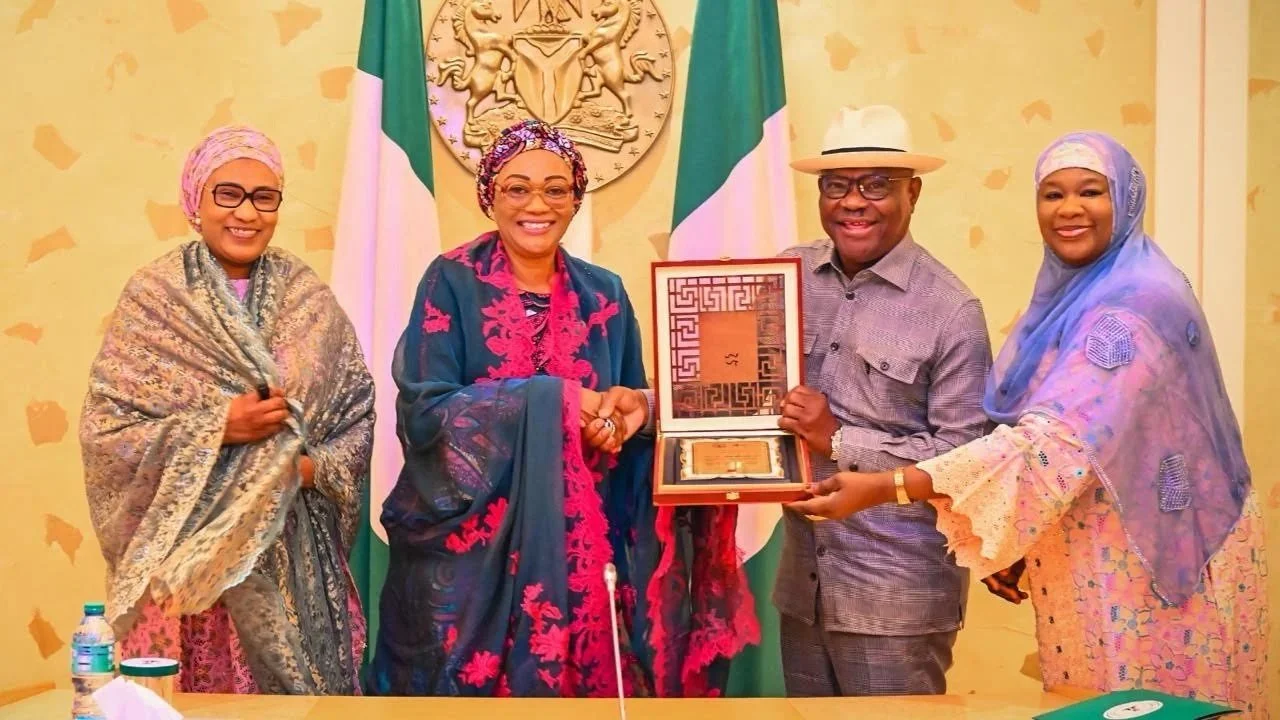
Wike's Urban Greening Initiative Earns First Lady's Praise
Nigeria's First Lady, Senator Oluremi Tinubu, has commended the Federal Capital Territory Administration (FCTA) for its ongoing environmental renewal programme, describing Abuja's expanding green landscape as a model for sustainable urban development. She also called on state governments to actively involve young people in environmental protection initiatives as part of efforts to build cleaner, healthier and more resilient communities.
/ You Might Also Like /



Speaking during an environmental campaign in Abuja, the First Lady praised the administration of the Minister of the Federal Capital Territory, Nyesom Wike, for prioritising tree planting, landscape improvement and environmental sanitation as key elements of urban development.
Greener Cities Improve Quality of Life
The First Lady said environmental sustainability should remain a national priority, noting that well-maintained green spaces contribute to healthier living conditions, climate resilience and improved urban aesthetics.
She emphasised that protecting the environment requires collective responsibility involving governments, communities, schools and young people, encouraging states to integrate environmental education into youth development programmes.
According to her, engaging younger generations in tree planting, waste management and conservation initiatives will help build long-term environmental awareness while strengthening community ownership of public spaces.
Abuja's Green Transformation
The First Lady acknowledged ongoing efforts by the FCTA to improve Abuja's landscape through urban greening projects designed to enhance the city's environmental quality.
Recent initiatives have focused on restoring public green areas, improving road corridors, expanding tree planting programmes and promoting cleaner neighbourhoods as part of the capital city's broader urban renewal strategy.
These interventions aim to make Abuja more resilient to climate-related challenges while improving the overall quality of the urban environment.
Implications for Housing and Urban Development
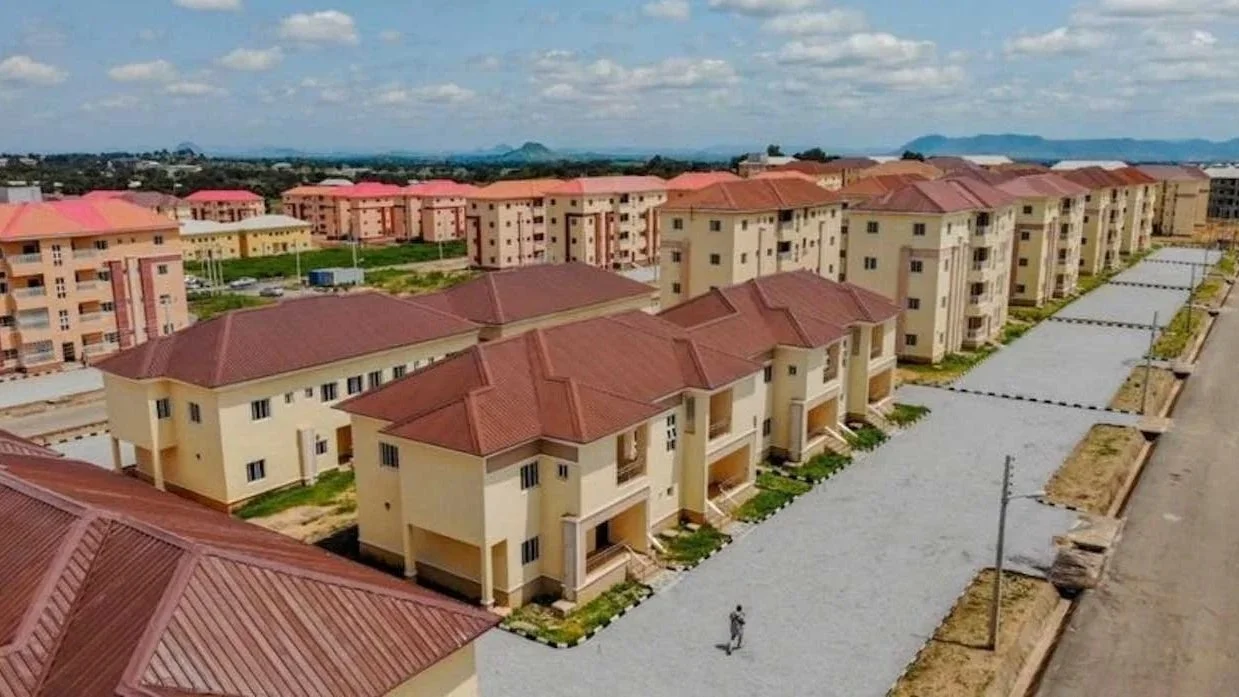
Urban greening has become an increasingly important component of modern housing and city planning.
Well-designed green infrastructure including parks, landscaped corridors, urban forests and open recreational spaces can improve air quality, reduce urban heat, enhance stormwater management and increase the attractiveness of residential neighbourhoods.
For developers, integrating green infrastructure into housing estates can increase property values, improve residents' wellbeing and support compliance with emerging environmental standards.
As Nigerian cities continue to expand, incorporating environmental sustainability into housing developments will become increasingly important for long-term urban resilience.
Why It Matters
Rapid urbanisation continues to place pressure on Nigeria's cities, increasing the need for sustainable planning that balances housing delivery with environmental protection.
Greater investment in green infrastructure can help cities address climate risks, improve public health and create more liveable communities while supporting long-term economic development.
The First Lady's call also highlights the role of youth engagement in ensuring environmental programmes remain sustainable across future generations.
Outlook
As governments increasingly prioritise climate resilience and sustainable urban development, environmental initiatives such as tree planting, landscape restoration and green infrastructure are expected to become more integrated into housing and infrastructure planning.
For the real estate sector, stronger environmental standards could enhance the appeal of sustainable residential communities while supporting healthier and more resilient urban environments.
READ MORE