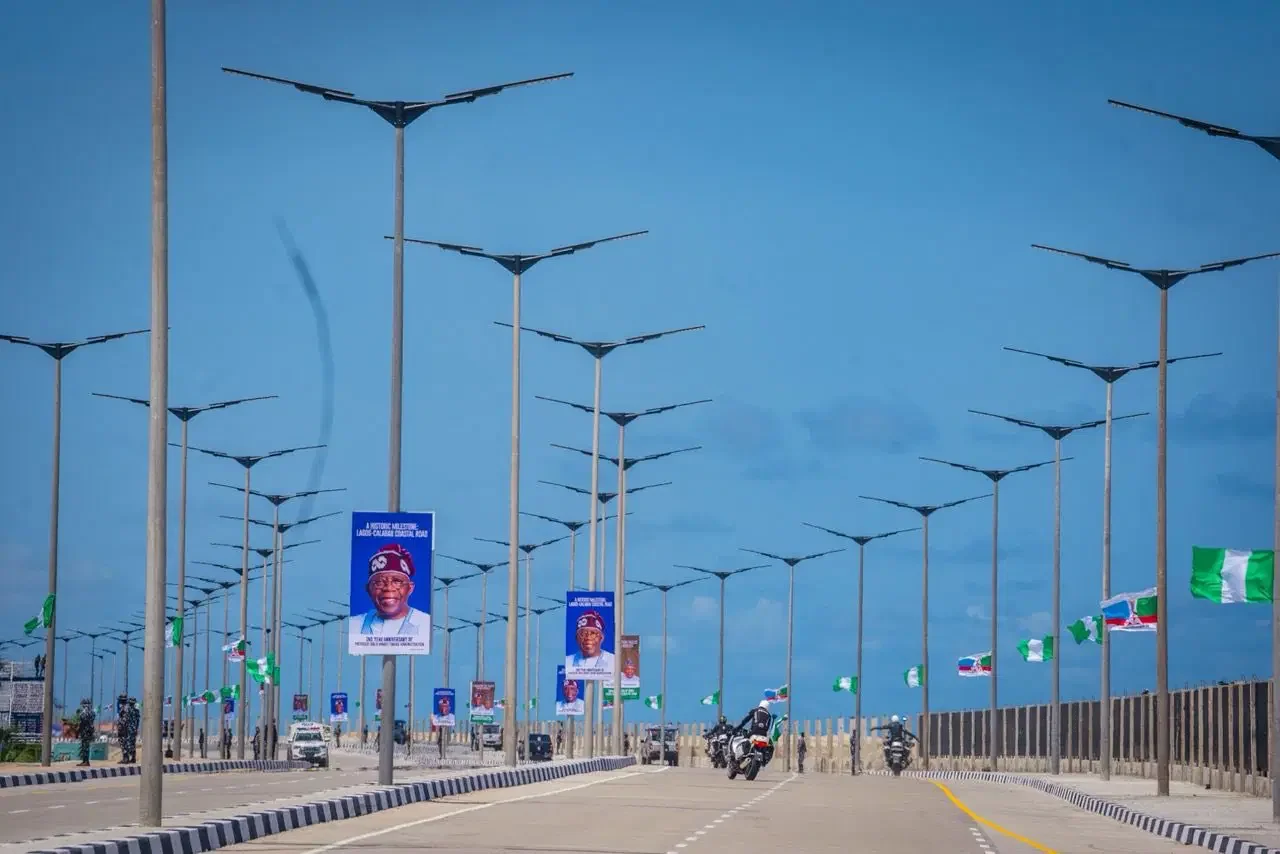
The Lagos-Calabar Coastal Highway is not just a road; it is a $13 billion statement of intent. Spanning approximately 700 kilometers, this ambitious project aims to link the commercial nerve center of Lagos to the lush, industrial potential of Calabar, Cross River State.
As one of the most significant infrastructure undertakings in Africa, the highway is designed to bolster the "Blue Economy," enhance regional integration, and drastically reduce travel times across Nigeria’s southern coastline.
Project Scope and Route Overview
The highway is planned as a 10-lane facility during its initial phases in high-traffic zones, featuring a rail line in the middle to accommodate future train services.
Key Geographical Milestones:
Starting Point: Ahmadu Bello Way, Victoria Island (Lagos).
Transition Points: It will traverse through Ogun, Ondo, Delta, Bayelsa, Rivers, and Akwa Ibom.
End Point: Calabar, Cross River State.
By bypassing many of the inland bottlenecks of the existing East-West Road, the coastal highway is expected to shave off hours—if not days—of transit for heavy-duty goods moving between the ports of Lagos, Onne, and Calabar.
Economic Impact: The "Blue Economy" Catalyst
The Federal Government of Nigeria has emphasized that this project is the backbone of the Blue Economy. By opening up the coastline, the government is essentially unlocking untapped real estate, tourism, and maritime potential.
Industrial Hubs: The road will provide easy access to the Lekki Free Trade Zone, the Dangote Refinery, and the Lekki Deep Sea Port.
Tourism Boost: Nigeria’s southern beaches, which have remained largely inaccessible by land, will become prime locations for resorts and international tourism.
Job Creation: During the construction phase alone, thousands of engineers, laborers, and site managers are being employed. Post-construction, the maintenance and ancillary businesses will create a permanent economic ecosystem.
Technical Marvels and Construction
The project is being handled by Hitech Construction Company Ltd, known for their work on the Eko Atlantic seawall. To combat the challenging terrain of the Niger Delta, the highway utilizes advanced coastal engineering.
The road will be constructed using reinforced concrete pavement rather than traditional asphalt. This decision ensures durability against the high humidity and heavy rainfall characteristic of the Nigerian coast, significantly reducing long-term maintenance costs.
Challenges and Considerations
No project of this magnitude is without its hurdles. The Lagos-Calabar Coastal Highway has faced discussions regarding:
Right of Way & Compensation: The demolition of certain structures in the path of the highway (notably around Landmark Beach in Lagos) sparked intense public debate.
Environmental Impact: Environmentalists have raised concerns about the preservation of coastal ecosystems and mangroves.
Funding: With a multi-billion dollar price tag, the project relies on a combination of government funding and potential Public-Private Partnerships (PPP).
Conclusion
The Lagos-Calabar Coastal Highway is a legacy project that promises to redefine how Nigerians move and do business. While the initial "teething problems" of land acquisition and funding are significant, the long-term ROI in terms of trade, safety, and national unity is undeniable.