Abuja Residents Welcome Dangote Refinery Fuel Price Cut, Seek Lower Transport Costs
Abuja Consumers Applaud Fuel Price Cut, Call for Lower Cost of Living
Residents of the Federal Capital Territory (FCT) have welcomed the recent reduction in the ex-depot price of Premium Motor Spirit (PMS) by Dangote Petroleum Refinery, describing the move as a positive step towards easing the cost of living. However, many believe the full benefits will only be realised if transport operators, businesses and marketers pass the savings on to consumers.
/ You Might Also Like /



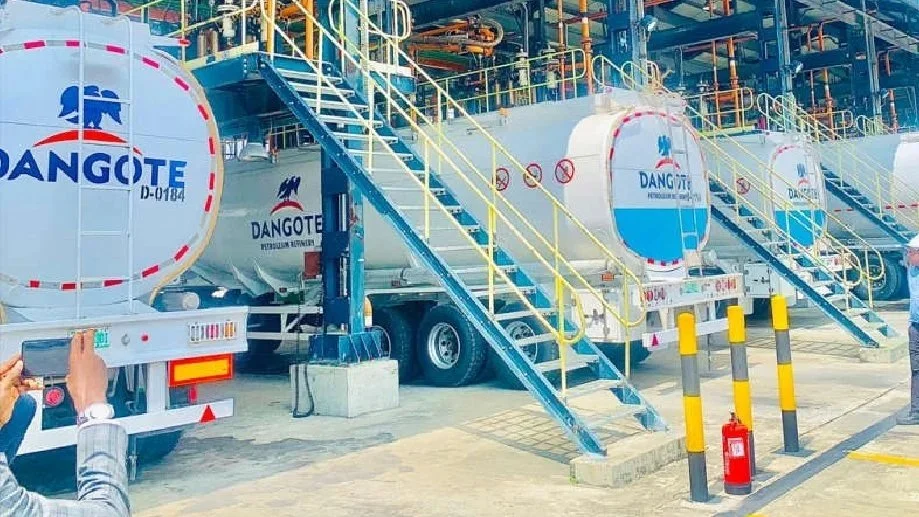
The refinery reduced its ex-depot petrol price from ₦1,330 per litre to between ₦1,265 and ₦1,300 per litre, following recent volatility in global crude oil prices. The adjustment has already prompted some filling stations in Abuja to lower their retail pump prices.
Retail Prices Begin to Decline
A survey across Abuja showed that MRS filling stations reduced pump prices by ₦40 per litre, while AA Rano also lowered prices by about ₦30 per litre, bringing petrol to around ₦1,300 per litre. Depot prices also eased, with marketers reporting lower loading costs following the refinery's adjustment.
Industry stakeholders explained that fuel loading operations were temporarily paused to reconcile inventories after the price review before normal supply resumed.
Consumers Want Broader Economic Relief
Despite the reduction in petrol prices, residents noted that transport fares, food prices and the overall cost of living remain largely unchanged.
Many commuters argued that because fuel accounts for a significant portion of transportation costs, reductions in pump prices should quickly translate into lower fares. Small business owners also expressed hope that cheaper fuel would reduce operating expenses, particularly for enterprises that rely heavily on petrol-powered generators due to unreliable electricity supply.
Public policy analysts similarly urged that lower fuel costs should be reflected across the wider economy through reduced transport costs, improved affordability and stronger consumer welfare.
Implications for Housing and Real Estate
For Nigeria's housing sector, lower petrol prices could provide modest relief across the construction and property value chain.
Reduced fuel costs can lower transportation expenses for building materials, improve logistics for contractors and reduce operational costs for construction companies. Property managers, facility operators and developers that rely on petrol-powered equipment may also experience lower running costs.
If sustained, lower energy costs could help moderate construction expenses and improve affordability for ongoing residential and infrastructure projects. However, the impact will depend on how quickly fuel savings are transmitted throughout the wider economy.
Why It Matters
Energy prices remain one of the most important drivers of inflation in Nigeria.
Changes in petrol prices affect transportation, manufacturing, agriculture and construction, making them particularly significant for housing delivery and infrastructure development. Faster transmission of lower fuel costs into transport and logistics could help ease pressure on households and businesses while supporting broader economic activity.
Outlook
Market participants will closely monitor whether marketers, transport operators and businesses continue adjusting prices in response to lower fuel costs. If the reductions are sustained and passed through the economy, they could contribute to moderating inflation, improving consumer purchasing power and lowering operating costs for the construction and real estate sectors.
READ MORE