Lagos Tightens Port Truck Enforcement as Apapa, Lekki Corridors Face Fresh Traffic Push
Lagos strengthens port traffic enforcement
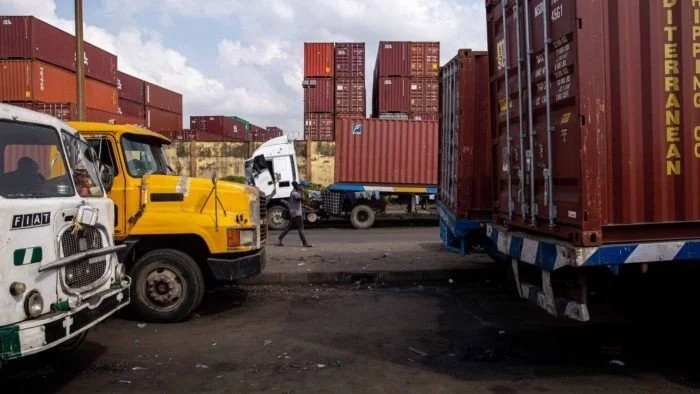
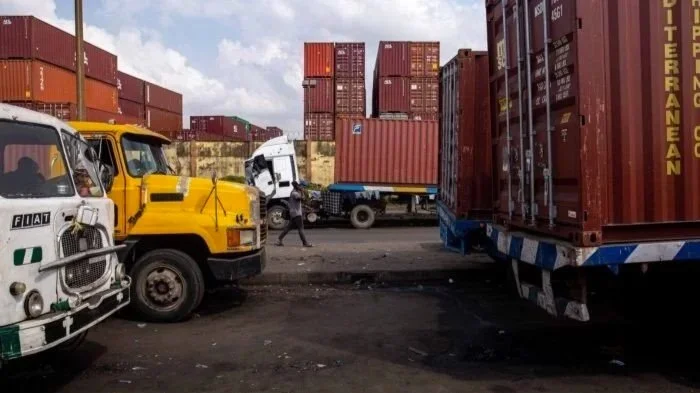
The Lagos State Government is strengthening enforcement along the Apapa and Lekki port corridors as it seeks greater compliance with the E-Call-Up system for articulated trucks.
The decision follows a review of traffic conditions and feedback on the existing enforcement process, with the state government identifying gaps that require a revised approach. The new strategy will involve additional traffic management personnel and continuous enforcement on both corridors.
/ You Might Also Like /

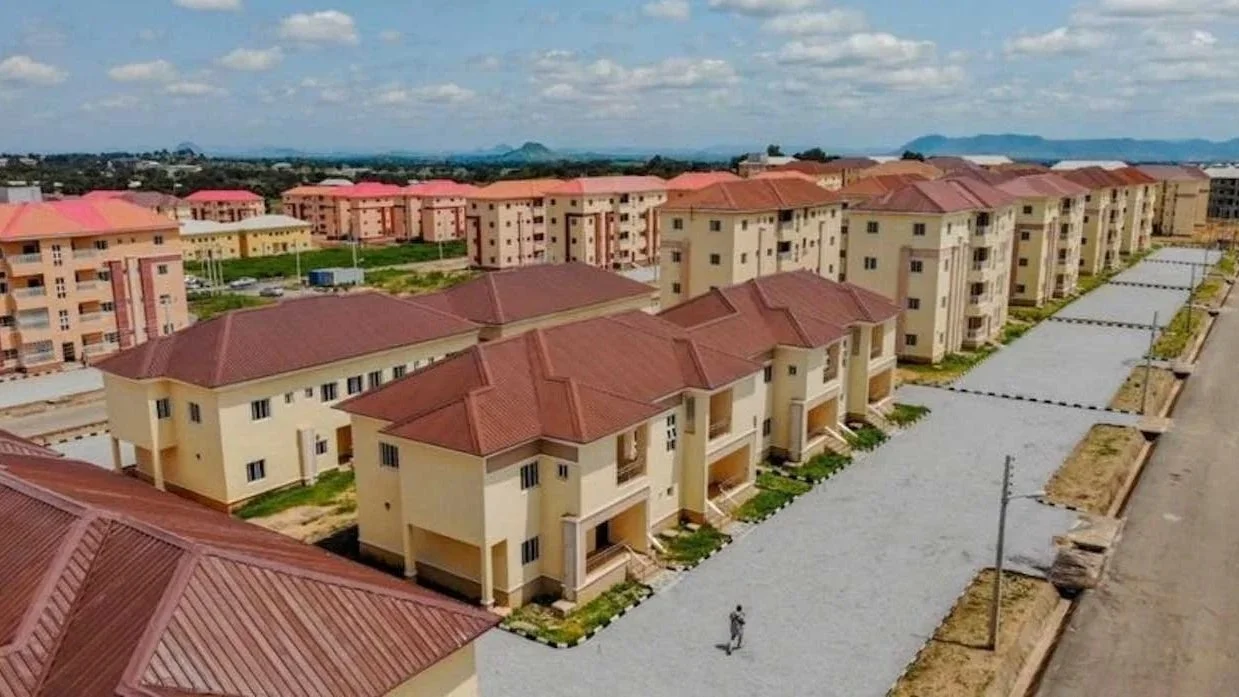

The move has implications beyond traffic management. Apapa and Lekki are important logistics and industrial corridors, and the efficiency of movement around the ports can influence business activity, logistics costs and the development of surrounding commercial and industrial property.
Lagos Deploys More Traffic Officers on Port Corridors
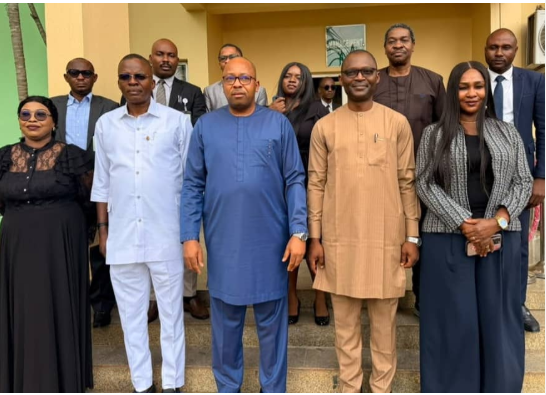
The Special Adviser to the Lagos State Governor on Transportation, Sola Giwa, said the Ministry of Transportation would deploy additional personnel to the Lekki Port corridor to strengthen compliance and improve the movement of articulated trucks.
The Permanent Secretary of the ministry, Olawale Musa, said the Lagos State Traffic Management Authority (LASTMA) would operate a shift system to ensure officers remain available on both corridors at all times.
The state also warned operators of illegal truck parks around the ports to comply with its operational guidelines. Officers found to be underperforming are expected to be redeployed.
The government has urged stakeholders to comply voluntarily with the E-Call-Up system and warned that it would not entertain subsequent requests for clemency after enforcement begins.
E-Call-Up System Targets Port Truck Congestion
The E-Call-Up system is designed to regulate the movement, entry and parking of heavy-duty trucks and tankers around major port and industrial corridors.
Rather than allowing trucks to queue directly on roads leading to the ports, the system schedules their movement through designated parks and access points.
The Lagos Government said more than 28,000 trucks and about 11,000 transport operators had registered under the Lekki-Epe E-Call-Up system by May 2026.
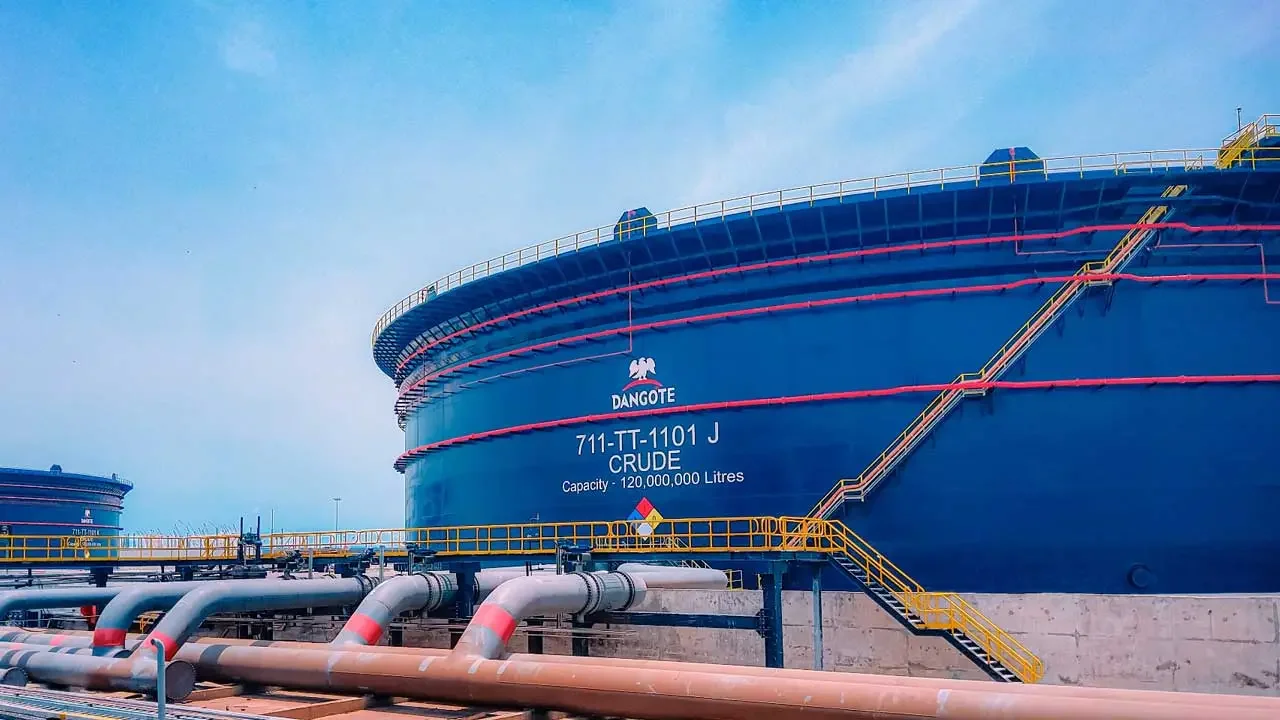
The system covers truck movement associated with major economic facilities along the corridor, including Lekki Deep Sea Port, the Dangote Petroleum Refinery and the Lekki Free Zone.
Traffic Efficiency Matters to Lagos’ Industrial Growth
The Apapa and Lekki corridors are increasingly important to Lagos’ logistics and industrial economy.
Persistent congestion along these routes can increase delivery times, vehicle operating costs and the cost of moving goods between ports, warehouses, factories and markets.
Improving truck movement could therefore support more predictable logistics operations for businesses that depend on the ports.
For the property market, this is particularly relevant because logistics efficiency can influence demand for warehouses, distribution centres, industrial estates and other commercial property close to major transport corridors.
Lekki Corridor Has Growing Property Implications
The Lekki-Epe axis has developed into a major investment corridor, with port, refinery, free-zone and other industrial activities expanding the area's economic base.
As these facilities attract businesses and workers, demand can extend beyond industrial property to residential developments, retail centres, hospitality and supporting services.
However, the benefits of infrastructure-led growth can be weakened when road congestion becomes severe.
Better management of heavy-duty truck movements could therefore support the functioning of the corridor and help reduce some of the transport constraints associated with its rapid economic expansion.
Enforcement Follows Earlier E-Call-Up Measures
The latest enforcement push builds on measures introduced for the Lekki-Epe corridor.
Lagos began enforcing the E-Call-Up system on the axis from August 1, 2025, following stakeholder engagement and sensitisation. The state also reduced the designated truck-park usage fee from ₦12,500 to ₦10,000 and prepared seven truck parks for operations.
The latest strategy suggests that the government is now seeking stronger compliance after assessing how the existing system has performed.
The effectiveness of the approach will depend not only on enforcement but also on the availability and capacity of designated truck parks, the reliability of the scheduling system and coordination between transport authorities, port operators and trucking companies.
Port Efficiency Could Influence Property Development
The relationship between transport infrastructure and property development is significant in emerging commercial corridors.
When freight movement becomes more predictable, areas surrounding major ports and industrial facilities can become more attractive for logistics operators and businesses requiring access to distribution networks.
This can create additional demand for warehouses, truck terminals, office space and worker accommodation.
For Lagos, the Apapa and Lekki corridors therefore require an integrated approach that combines road infrastructure, traffic management, port operations and land-use planning.
The latest enforcement measures address one part of that wider challenge.
Sustained Coordination Will Be Key
The Lagos Government's decision to strengthen E-Call-Up enforcement reflects the continuing challenge of managing heavy-duty traffic around the state's major ports.
Greater compliance could improve movement along the Apapa and Lekki corridors, but sustained results will depend on consistent enforcement and adequate infrastructure for trucks outside the main road network.
For the property and logistics sectors, a more efficient port-access system could support the continued development of Lagos' industrial and commercial corridors, particularly around Lekki.
The immediate objective remains traffic management, but the longer-term implications extend to the cost of doing business, logistics investment and the development of property around Lagos' major economic gateways.
READ MORE