Fuel Prices May Rise Further as Middle East Oil Shock Deepens
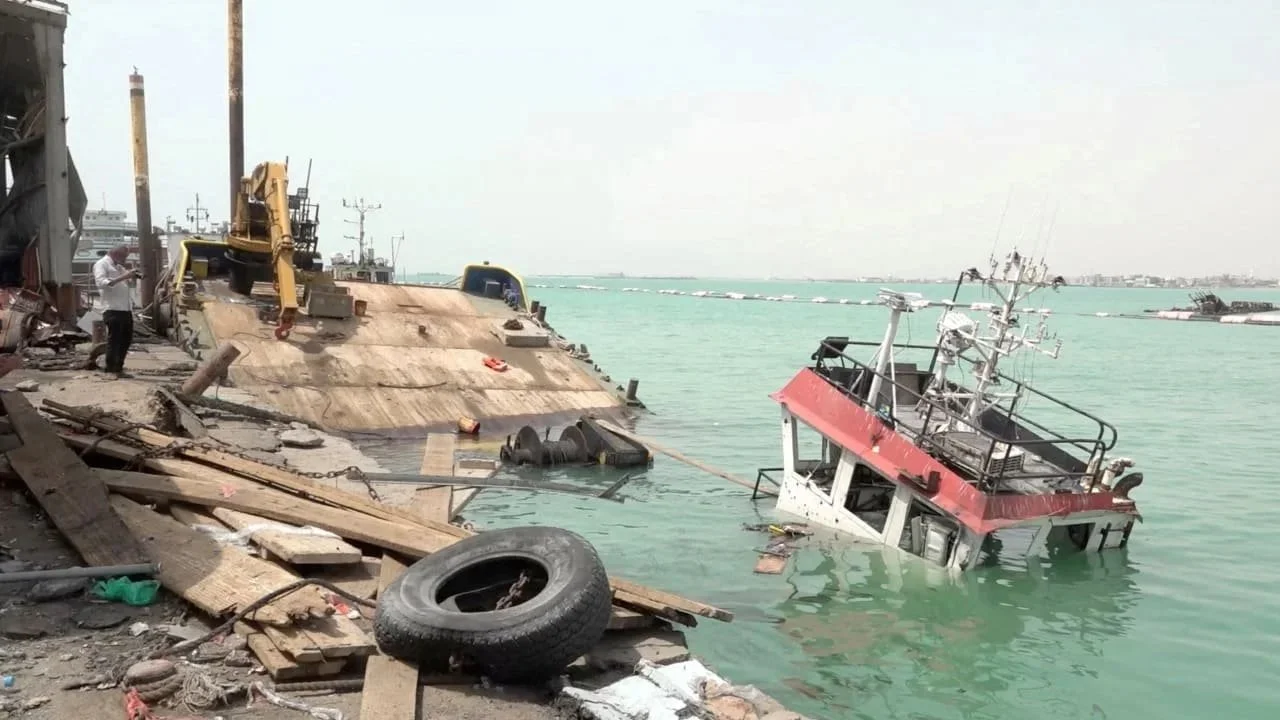
Middle East oil disruptions raise fuel concerns
Nigeria could face further pressure on petrol and other energy prices as escalating attacks on Middle Eastern energy infrastructure disrupt global crude supplies and push international oil prices higher.
Brent crude, the international benchmark against which Nigeria’s crude is priced, climbed above $108 a barrel after attacks disrupted Saudi Arabia’s East-West Pipeline and affected oil shipments from the country’s Yanbu export hub. The developments have added to supply concerns created by disruption around the Strait of Hormuz and the Red Sea.
/ You Might Also Like /
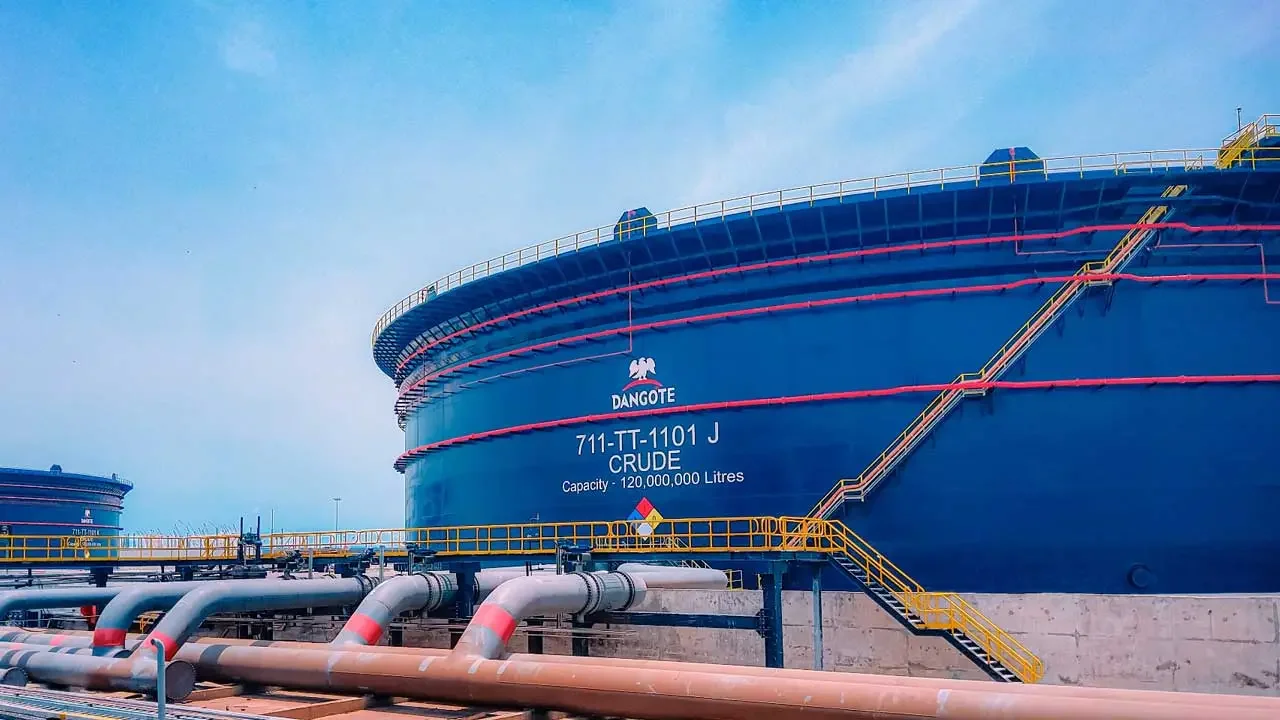



Petrol prices had already risen to about ₦1,500 per litre in some parts of Nigeria, while the average price in Lagos stood at about ₦1,395 per litre at the time of publication.
Middle East disruptions tighten global oil supply
The latest price movement reflects concerns that several major oil transportation routes are being disrupted at the same time.
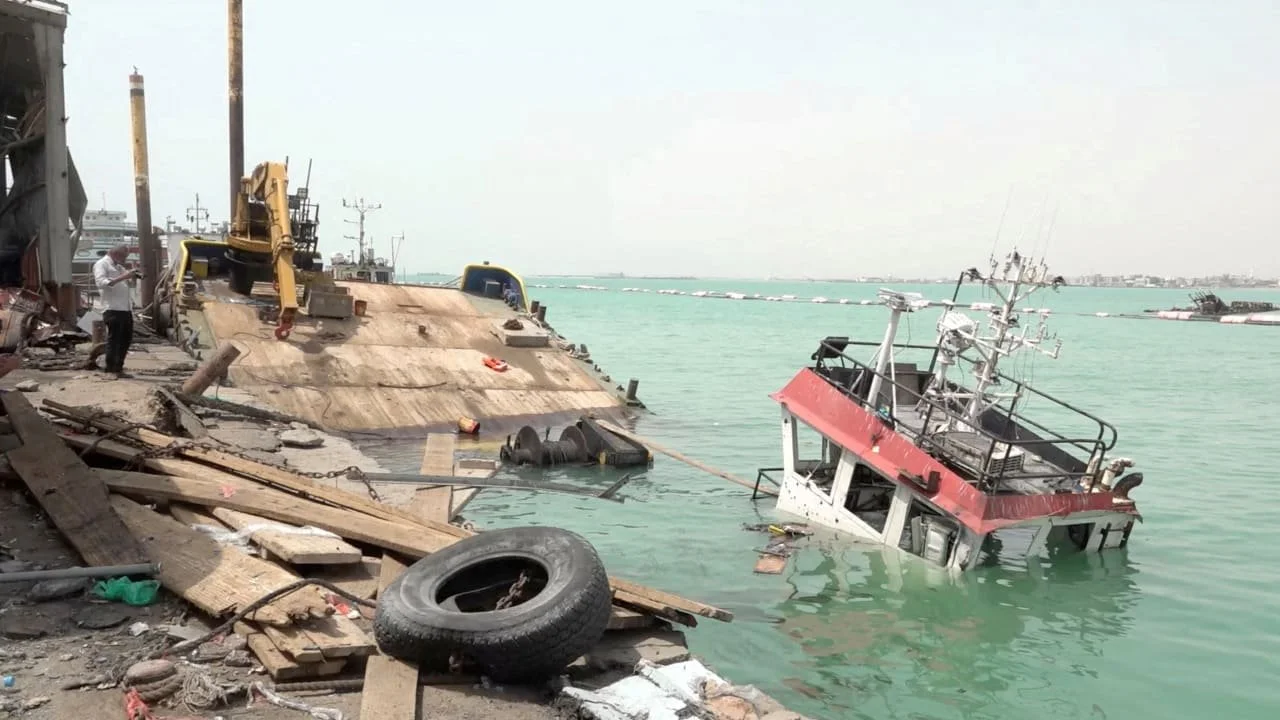
The Strait of Hormuz, which normally carries more than 20 million barrels of oil and petroleum products daily, has experienced a sharp reduction in traffic since the conflict intensified. Saudi Arabia had increasingly relied on its East-West Pipeline to bypass the strait, but attacks have now disrupted that alternative route.
The Red Sea is also facing increased security risks following attacks linked to Iran-backed Houthi forces. Together, these disruptions have increased uncertainty over how much crude can reach international markets and how quickly alternative supply routes can compensate.
Reuters reported on September 17 that oil prices subsequently fell by about 3 per cent as concerns eased following increased Saudi crude shipments through Oman and expectations of a resumption of pipeline operations. Brent was trading around $101.98 a barrel in that update, highlighting the significant volatility in the market.
Nigeria remains exposed to international energy prices
Although Nigeria is a major crude oil producer, the country remains vulnerable to international energy-price movements because the domestic economy is closely linked to global petroleum markets.
Higher crude prices can increase Nigeria’s export earnings and foreign-exchange inflows if production and export volumes remain strong. However, higher international oil prices can also raise the cost of petroleum products and transportation.
The Sun noted that the impact on Nigeria will depend on factors including domestic crude production, refinery output, exchange-rate movements and the volume of crude actually exported.
This creates a mixed effect for the Nigerian economy: higher crude prices can strengthen government oil revenues while simultaneously increasing operating costs for businesses and households.
Higher energy costs could raise construction expenses
For Nigeria’s housing and construction sector, the potential impact extends beyond petrol prices.
Diesel remains an important input for construction companies, logistics operators and businesses that rely on generators and heavy machinery. A sustained increase in international energy prices could therefore feed into transportation, equipment operation and the movement of building materials.
Higher transport and energy costs can add to the delivered cost of cement, steel, blocks, aggregates and other construction inputs, particularly where materials must travel long distances from manufacturing plants or distribution centres.
This could put additional pressure on developers already dealing with elevated construction costs and financing expenses.
Property market could face another cost challenge
A prolonged oil-price shock could also affect Nigeria’s property market through inflation and household purchasing power.
If higher fuel and diesel costs increase the cost of transporting goods and operating businesses, developers may have to reassess project budgets. Contractors could face higher logistics and equipment costs, while households may have less disposable income available for rent, mortgage payments or home purchases.
The effect could be particularly significant for large housing developments and projects located in emerging areas where developers must provide infrastructure and transport construction materials over considerable distances.
Higher operating costs could also influence property rents and prices if developers and landlords pass part of the additional expenses through to occupiers.
Oil prices remain highly volatile
The latest movement in crude prices demonstrates how quickly geopolitical developments can affect energy markets.
Brent initially moved above $108 a barrel following the attacks on Saudi infrastructure, but prices later retreated towards $102 as alternative supply arrangements reduced immediate concerns about a complete supply squeeze.
This volatility makes it difficult for businesses, developers and investors to accurately forecast energy and transportation costs over longer project cycles.
For Nigeria, the broader issue is therefore not simply the current price of petrol but the potential duration and scale of the global supply disruption.
Outlook for Nigeria
A prolonged disruption to Middle Eastern oil supplies could increase inflationary pressure across the Nigerian economy if crude prices remain elevated and higher energy costs feed into transportation, manufacturing and household expenditure.
At the same time, Nigeria could benefit from higher export revenues if domestic crude production is maintained and the country is able to take advantage of stronger international prices.
For the housing market, the balance will depend on how these competing effects develop. Higher government and foreign-exchange revenues could support broader economic stability, but sustained increases in fuel, diesel, logistics and construction costs could make housing development and affordability more difficult.
The immediate outlook therefore remains closely tied to developments in global oil supply, the stability of major shipping routes and the ability of alternative crude-supply channels to cushion further disruptions.
READ MORE