Nigeria’s Five REITs Worth $230m as Africa’s Market Reaches $30bn

Nigeria’s REIT market remains relatively small
Nigeria’s five Real Estate Investment Trusts (REITs) have a combined market capitalisation of about $230 million, representing a relatively small share of Africa’s estimated $30 billion REIT market.
The figures are contained in the Africa Real Estate Investment Trust Report by Fortren & Company, which examined REIT markets across South Africa, Nigeria, Kenya, Morocco, Egypt, Zambia, Zimbabwe, Tanzania and Ghana.
/ You Might Also Like /


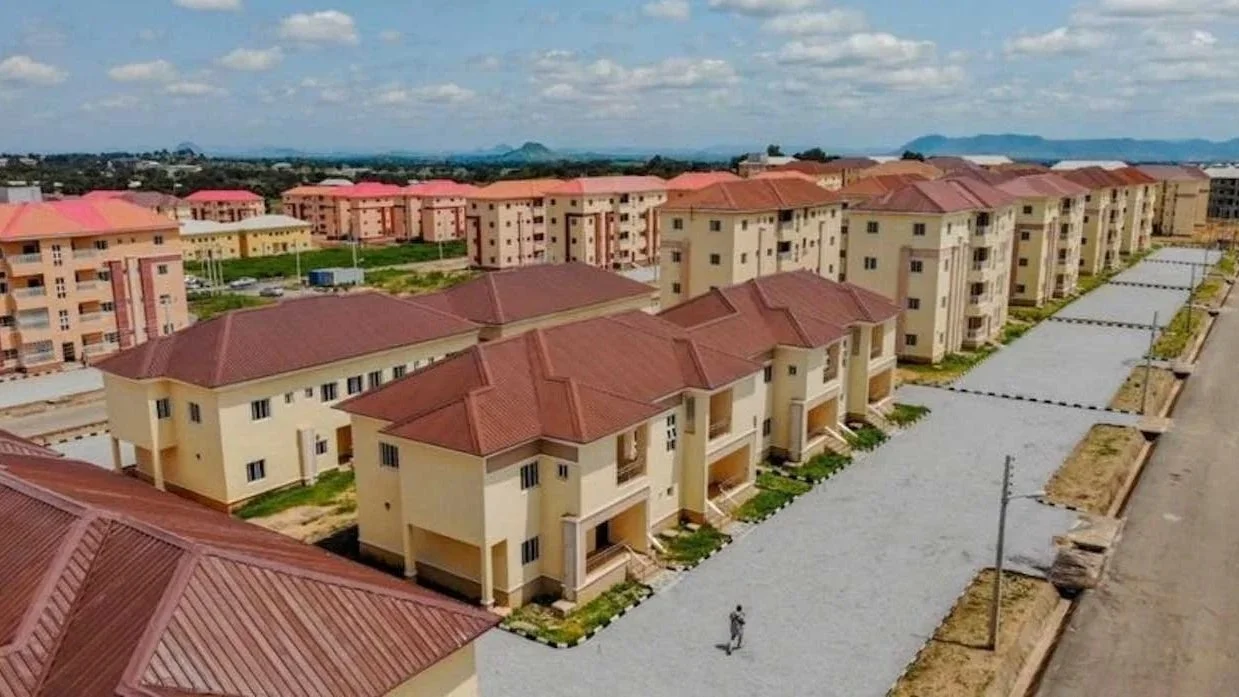

The report identifies Nigeria as an emerging REIT market, with the sector having operated under the country’s REIT framework since 2008. However, its market remains significantly smaller than South Africa’s, which accounts for about 92 per cent of Africa’s total REIT market value.
Nigeria Has Five REITs
Nigeria’s REIT market was initially dominated by UPDC REIT, SFS REIT and UHREIT.
The market expanded in 2025 with the introduction of Chapel Hill Denham Nigeria REIT and the MOFI Real Estate Investment Fund (MREIF), bringing the number of REITs identified in the report to five.
The addition of the newer funds has broadened the range of vehicles through which investors can gain exposure to Nigerian real estate and housing-related assets.
MREIF is particularly linked to housing finance, as the fund was established as a hybrid real estate and mortgage investment vehicle with a focus that includes supporting efforts to address Nigeria’s housing shortage.
South Africa Dominates Africa’s REIT Market
Africa has 49 operational REITs with an estimated market value of $30 billion and listed market capitalisation of approximately $21 billion, according to the Fortren report.
South Africa dominates the continent's REIT landscape, with more than $27 billion in market value. Morocco follows with about $700 million, while Kenya has approximately $250 million and Zimbabwe about $130 million.
Nigeria’s combined $230 million market capitalisation places it below those three markets.
The report attributes South Africa’s stronger position to deeper capital markets, greater institutional participation, higher liquidity and more developed regulatory and corporate governance structures.
Institutional Investment Remains Important
The development of Nigeria’s REIT market is closely connected to the availability of long-term institutional capital.
Fortren noted that Nigerian REIT yields below 8 per cent can face competition from government securities offering returns of up to 15 per cent annually, which can make fixed-income investments more attractive to institutional investors.
At the same time, pension fund holdings in Nigerian REITs increased by 168 per cent to $50.9 million by March 2025, according to National Pension Commission data cited in the report.
The figures indicate that institutional participation has increased, although the overall REIT market remains relatively small compared with the scale of Nigeria’s real estate sector.
REITs Could Provide More Capital for Real Estate
REITs provide a mechanism for pooling capital from investors and deploying it into income-generating real estate assets.
For Nigeria, deeper participation in the REIT market could provide an additional channel for financing commercial property, residential developments, infrastructure-linked assets and other real estate investments.
This is particularly relevant to a market where developers often face challenges accessing long-term capital at affordable rates.
A stronger REIT sector could also allow investors who cannot purchase property directly to gain exposure to professionally managed real estate portfolios through capital-market instruments.
Nigeria’s Real Estate Funds Hold Significant Assets
Although the listed REIT market remains relatively small in dollar terms, the wider Nigerian real estate fund industry holds substantially more assets when measured in naira.
Official mutual fund data as of December 24, 2025 showed that REITs had a combined net asset value of ₦483.06 billion, representing 6.30 per cent of Nigeria’s ₦7.67 trillion mutual fund industry.
MREIF accounted for ₦269.85 billion, or 55.86 per cent of total real estate fund NAV, while Nigeria REIT held ₦163.63 billion, representing 33.87 per cent. UPDC REIT accounted for ₦33.10 billion.
These figures show that the sector has developed beyond its earlier concentration in a small number of property-focused vehicles.
Implications for Nigeria’s Housing Market
The relatively small size of Nigeria’s REIT market compared with the broader African market points to the potential importance of expanding property-focused investment vehicles.
Greater access to institutional capital could support developers seeking funding for large-scale projects, while housing-focused funds could provide additional financing channels for residential development and mortgages.
However, market growth will depend on factors including investment returns, liquidity, regulatory certainty, investor confidence and the ability of real estate funds to generate competitive risk-adjusted returns.
For investors, the comparison with other African markets also highlights the different stages of development across the continent’s property capital markets.
Nigeria’s five REITs, valued at about $230 million, remain a relatively small part of Africa’s $30 billion REIT landscape. The sector’s future growth will depend largely on whether more institutional and private capital can be attracted into professionally managed real estate investments.
READ MORE