Nigeria Targets 70% of Africa’s Gas Demand as Higher Production Could Boost Infrastructure
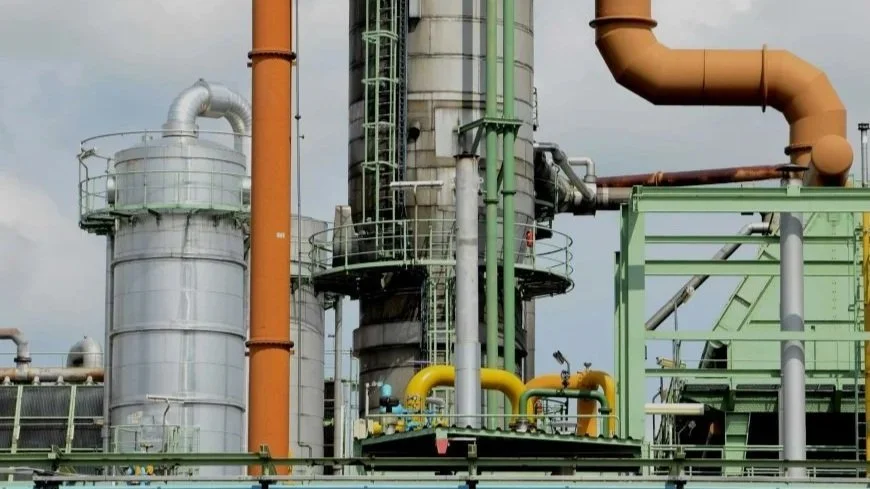
Nigeria targets higher gas production
Nigeria plans to double or triple its natural gas production to meet up to 70 per cent of Africa’s gas demand, according to the Nigerian Upstream Petroleum Regulatory Commission (NUPRC).
The commission said the country has an estimated 215 trillion cubic feet (TCF) of natural gas reserves but currently produces about eight billion cubic feet (BCF) per day, leaving significant room for increased output.
/ You Might Also Like /



NUPRC Chief Executive Oritsemeyiwa Eyesan disclosed the target during a panel session at the 2026 Gastech conference in Bangkok, where she identified investment, gas pricing and infrastructure as key requirements for expanding production.
For Nigeria’s broader economy, increased gas production could have implications beyond energy exports. Greater availability of gas could support industrial activity, electricity generation and the development of infrastructure around production and distribution corridors.
NUPRC Targets Major Increase in Gas Production
Eyesan said Nigeria’s current production represents only a fraction of its estimated gas resources.
She said doubling or tripling output could enable Nigeria to meet at least 70 per cent of Africa’s gas demand, while also supporting domestic energy requirements and exports.
The proposed expansion would require substantial investment in upstream production, processing, transportation and distribution infrastructure.
NUPRC is also preparing to launch its 2026 licensing round, following previous rounds held between 2022 and 2025. Eyesan said 37 of the 50 assets offered in the most recent round were taken up by investors, indicating continued interest in Nigeria’s upstream sector.
Infrastructure Remains Critical to Gas Expansion
The availability of large gas reserves does not automatically translate into higher production or wider market access.
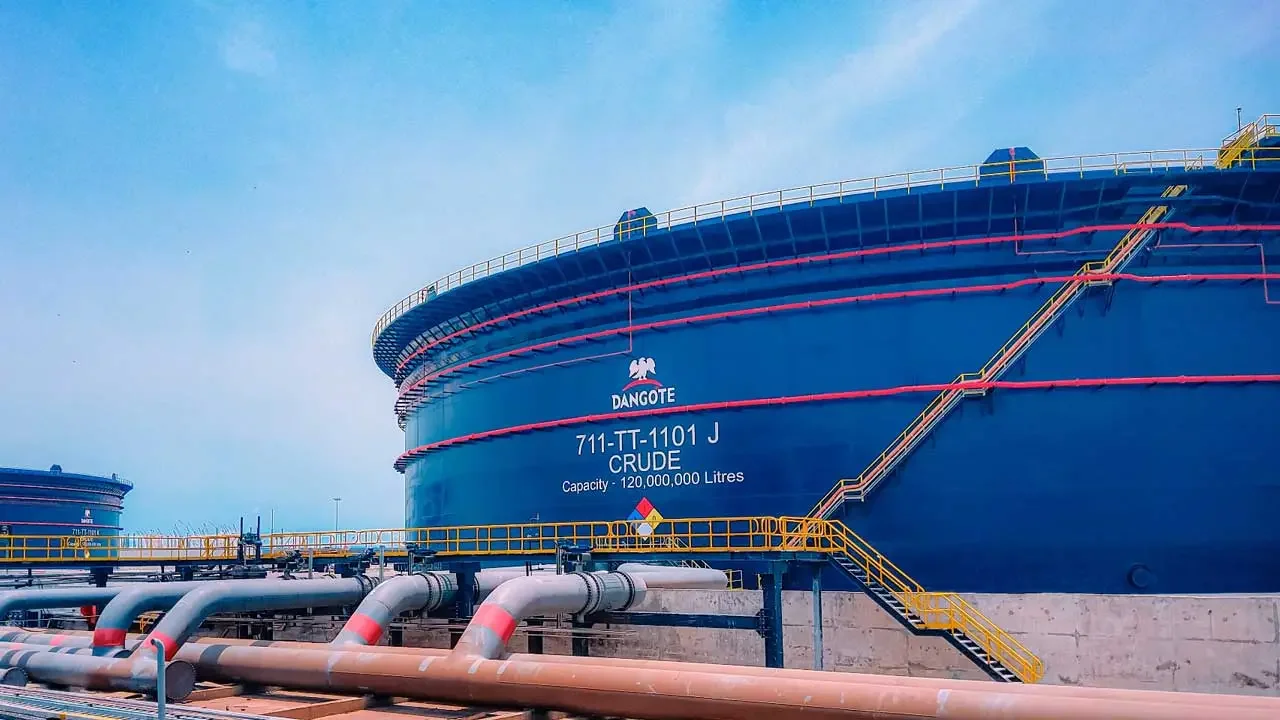
Gas needs infrastructure to move from producing fields to processing facilities, power plants, industrial users and export markets. This makes pipelines, processing facilities and other midstream infrastructure central to the expansion strategy.
Eyesan said increased government investment in recent years was beginning to unlock gas infrastructure across Nigeria. She also highlighted the potential for extending gas infrastructure into other West African countries to support wider energy access.
For the property market, infrastructure expansion can have a secondary effect on areas along major industrial and energy corridors.
New processing facilities, pipelines, power infrastructure and related industrial projects can increase demand for housing, commercial property, logistics facilities and other supporting real estate around emerging economic centres. However, the scale of that effect will depend on where infrastructure is ultimately developed and how quickly supporting services follow.
Gas Expansion Could Support Industrial Development
A more reliable supply of natural gas could also support industries that depend heavily on energy.
Manufacturing, processing and other energy-intensive businesses can generate demand for industrial property, warehouses, worker accommodation and commercial facilities. Where industrial investment expands into areas outside established urban centres, it can contribute to the emergence of new development corridors.
This makes energy infrastructure relevant to real estate investors and developers assessing locations for future projects.
However, infrastructure-led property growth depends on more than energy availability. Roads, water supply, telecommunications, drainage, security and public transport must also develop alongside industrial activity for new communities to become sustainable.
Gas Pricing Remains a Key Issue
NUPRC also identified domestic gas pricing as an issue that needs to be addressed to ensure the market remains commercially viable for producers and consumers.
Pricing is particularly important because producers need sufficient returns to justify investment in new production, while industrial and power-sector users require gas at prices that allow them to operate competitively.
Resolving this balance will be important if increased production is to translate into broader domestic economic activity rather than remaining primarily an export opportunity.
Nigeria Positions Gas as a Transition Fuel
Eyesan described natural gas as an important transition fuel for Nigeria and the wider African continent.
She argued against a uniform pathway to net-zero emissions for African countries, noting differences in natural-resource endowment and economic circumstances. Her position is that resource-rich countries such as Nigeria should be able to use their available resources while developing their economies and energy systems.
The debate has implications for long-term infrastructure investment because gas-related projects typically require substantial capital and long development periods.
For Nigeria, the ability to attract that capital will depend on regulatory certainty, commercially viable pricing, reliable infrastructure and clarity around the long-term role of gas in the country's energy mix.
Implications for Property and Emerging Communities
Nigeria’s proposed gas expansion could create opportunities beyond the petroleum sector if increased production is accompanied by sustained infrastructure investment.
Industrial zones, energy projects and transportation networks can create new centres of economic activity, potentially increasing demand for residential and commercial property around them.
For developers and investors, this makes infrastructure planning an important consideration when assessing emerging locations. Areas that gain reliable energy and transport connections may become more attractive for industrial, logistics, residential and mixed-use development.
The potential benefits, however, should not be treated as automatic. Property growth around energy projects will depend on actual investment, project completion, local planning, environmental considerations and the availability of supporting infrastructure.
Nigeria's target of supplying up to 70 per cent of Africa's gas demand therefore represents a significant ambition for the energy sector, but its wider economic and property-market impact will ultimately depend on the country's ability to convert its substantial reserves into commercially viable production and infrastructure.
READ MORE