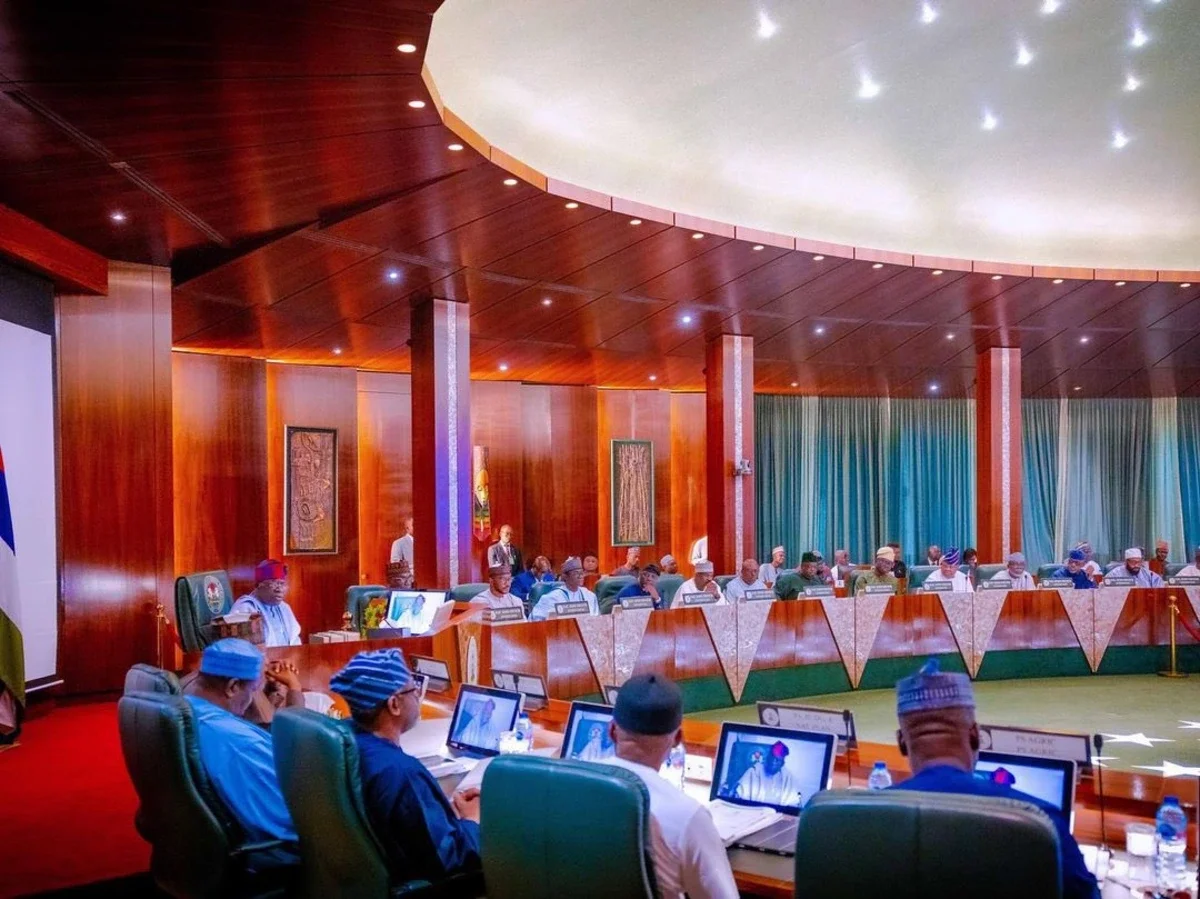
Ogun State Approves Weekly Day Off and ₦10,000 Transport Allowance for Civil Servants
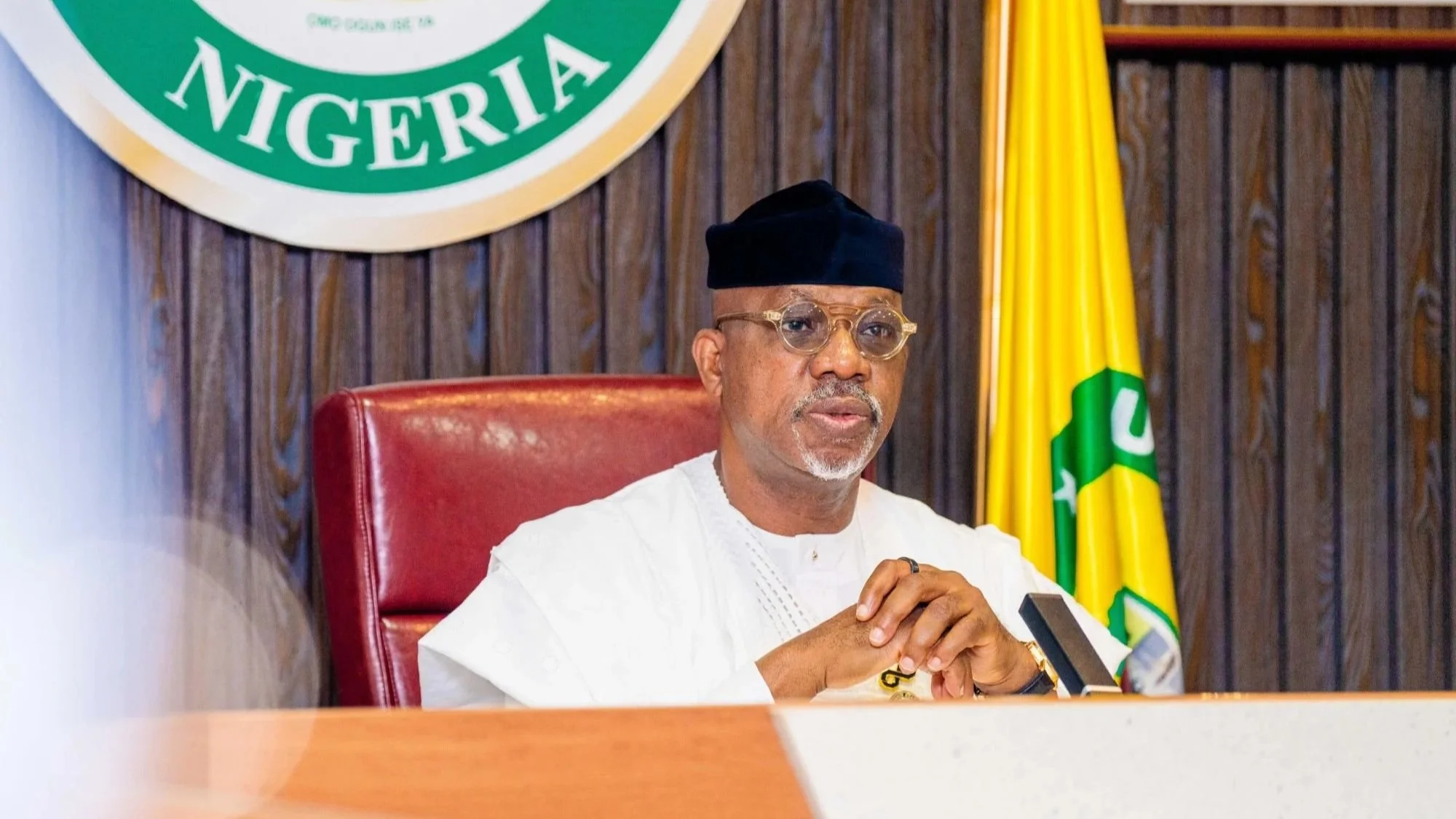
Weekly Day Off and ₦10k Transport Allowance Announced
The Ogun State Government has approved a weekly day off for civil servants alongside a ₦10,000 monthly transport allowance, a policy aimed at improving worker welfare and addressing rising commuting costs. The initiative, endorsed under the administration of Dapo Abiodun, reflects a broader response to inflationary pressures and workforce productivity concerns.
/ You Might Also Like /




Policy Overview
The newly approved measures introduce two key changes to Ogun’s civil service framework. First, eligible workers will receive one designated day off each week. Second, the government will provide a ₦10,000 monthly transport allowance to support commuting expenses.
According to official statements, the policy targets improved work-life balance while mitigating the financial burden associated with transportation. Nigeria’s recent inflation trends driven in part by fuel subsidy removal and currency volatility have significantly increased commuting costs for workers across urban and peri-urban areas.
Economic Context and Rationale
The decision aligns with wider economic conditions affecting public sector employees. Data from the National Bureau of Statistics shows persistent increases in transport and energy costs over the past year, placing pressure on disposable income.
By introducing a transport stipend, Ogun State aims to partially offset these costs without implementing a full wage adjustment. This approach allows fiscal flexibility while delivering immediate relief to workers.
The weekly day off component reflects an emerging policy trend focused on productivity rather than strictly increasing working hours. Research across labour markets indicates that structured rest periods can improve efficiency, reduce burnout, and enhance long-term output.
Implications for Workforce Productivity
From a labour economics perspective, the reform signals a shift toward performance-oriented public sector management. A reduced workweek if effectively implemented can enhance morale and reduce absenteeism.
However, the success of the policy will depend on execution. Ministries and departments must maintain service delivery standards despite reduced physical workdays. This may require operational restructuring, digitalisation, and improved workflow management.
Fiscal Considerations
The introduction of a ₦10,000 monthly allowance carries direct budgetary implications. While the figure appears modest on an individual basis, aggregate costs could be substantial given the size of the state workforce.
Fiscal sustainability will depend on Ogun State’s internally generated revenue and federal allocations. Policymakers must balance welfare improvements with long-term budget discipline to avoid structural deficits.
Broader Policy Significance
Ogun’s decision may influence other subnational governments in Nigeria. Several states are exploring measures to cushion the impact of inflation without committing to large-scale salary increases.
The policy also intersects with national conversations around labour reforms, minimum wage adjustments, and public sector efficiency. It provides a case study in targeted welfare intervention within constrained fiscal environments.
Ogun State’s approval of a weekly day off and ₦10,000 transport allowance represents a calibrated response to economic pressures facing civil servants. The policy prioritises worker welfare while maintaining fiscal caution. Its long-term impact will depend on implementation efficiency, budget sustainability, and measurable improvements in productivity. If successful, it could serve as a model for adaptive labour policy across Nigeria’s public sector.
READ MORE