FCT Communities Allege Land Grabbing, Unpaid Compensation 10 Years After Grazing Reserve Allocation
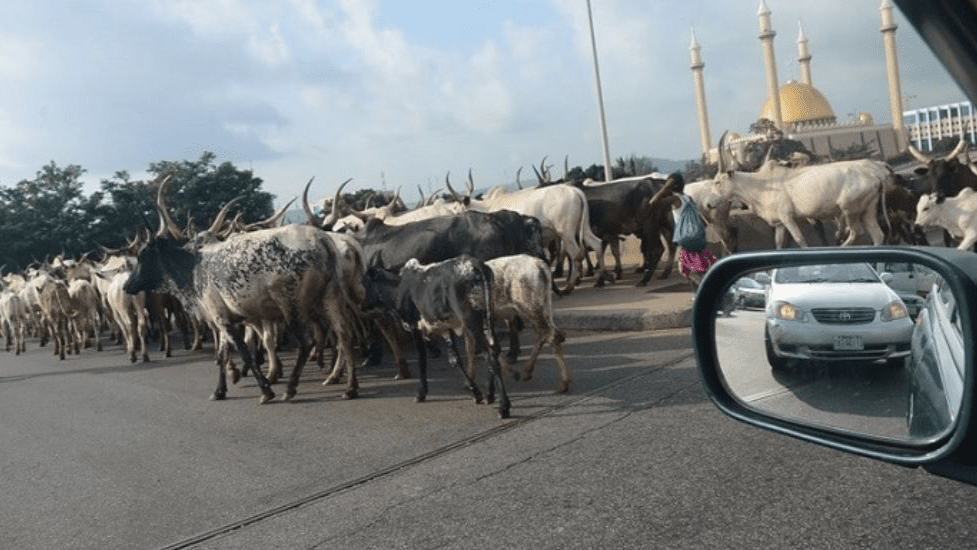
Communities Demand Compensation Over Contested FCT Grazing Reserve Lands
Communities in Nigeria’s Federal Capital Territory (FCT) have renewed allegations of land grabbing and unpaid compensation more than a decade after land was allocated for grazing reserve purposes. Residents affected by the allocation claim that large portions of ancestral land were taken without adequate compensation, consultation or resettlement arrangements, creating long-standing disputes over ownership, land rights and development activities. The allegations have reignited concerns about land administration practices, community displacement and compensation frameworks within the FCT.
/ You Might Also Like /




The dispute highlights broader challenges surrounding land governance in rapidly expanding urban regions where competing demands for development, agriculture and residential growth continue to place pressure on available land resources.
Communities Raise Fresh Concerns Over Historic Allocation
According to affected residents, the controversy stems from land allocated approximately 10 years ago for grazing reserve purposes within parts of the Federal Capital Territory. Community representatives allege that despite losing access to farmland and other economic resources, many affected families have yet to receive compensation promised during the acquisition process.
Residents argue that the absence of compensation has contributed to prolonged economic hardship and uncertainty regarding their land rights. Community leaders also maintain that some affected families remain displaced while ownership disputes continue unresolved.
The renewed complaints reflect growing frustration among residents who say the issue has remained unresolved despite repeated appeals to relevant authorities.
Allegations of Land Grabbing Intensify Dispute
Beyond compensation concerns, some community members allege that portions of the allocated land have since been transferred, occupied or developed in ways that differ from the original purpose of the grazing reserve allocation.
According to residents, these developments have fuelled accusations of land grabbing and raised questions about transparency in land management processes. Community representatives argue that land originally designated for public or agricultural use should not be converted without proper engagement with affected stakeholders.
The allegations have added another dimension to an already complex dispute involving land ownership, development rights and government acquisition procedures.
Land Rights Remain Sensitive Issue in FCT
Land ownership and compensation disputes remain among the most contentious issues within the Federal Capital Territory.
Rapid urban expansion, infrastructure development and increasing demand for residential and commercial land have intensified pressure on peri-urban and rural communities across Abuja. As development activities expand outward from the city centre, many indigenous communities have faced land acquisition processes linked to public projects and urban planning initiatives.
Stakeholders frequently stress the importance of ensuring that affected communities receive fair treatment, adequate compensation and proper resettlement support where required.
Land experts note that unresolved compensation disputes can contribute to social tensions and undermine confidence in land administration systems.
Compensation Challenges Continue Across Development Projects
The concerns raised by the affected communities reflect broader compensation challenges associated with land acquisition across Nigeria.
Under existing legal frameworks, government authorities may acquire land for public purposes, provided compensation is paid for economic assets, structures and other affected interests. However, disputes often emerge regarding valuation processes, payment timelines and eligibility criteria.
Community advocates argue that delays in compensation can create long-term economic difficulties for affected households, particularly where livelihoods depend heavily on land-based activities such as farming and grazing.
Development experts increasingly emphasise the need for transparent compensation mechanisms capable of balancing public development objectives with community welfare considerations.
Urban Expansion Increases Pressure on Land Resources
The dispute also reflects the growing impact of urbanisation on land use patterns within the Federal Capital Territory.
Abuja’s continued population growth has increased demand for housing, infrastructure and commercial development, creating competition for land previously used for agricultural and rural purposes. As urban boundaries expand, land values have risen significantly across many parts of the territory.
Real estate analysts note that this trend has contributed to a growing number of land ownership disputes, compensation claims and legal challenges involving indigenous communities and development authorities.
The interaction between urban growth and land rights remains a critical issue for policymakers and urban planners.
Stakeholders Call for Resolution
Community leaders and advocacy groups have called for a comprehensive review of the dispute, including verification of compensation claims and clarification of ownership issues linked to the affected lands.
They argue that resolving the matter would help restore confidence among residents while reducing the risk of further tensions between communities and authorities. Stakeholders also stress the importance of improving communication and engagement processes during future land acquisition exercises.
Land governance experts maintain that early dispute resolution mechanisms can help prevent prolonged conflicts and support more sustainable development outcomes.
Implications for Housing and Urban Development
The dispute carries broader implications for housing delivery, urban planning and investment within the Federal Capital Territory.
Investors and developers often view land tenure certainty as a key factor influencing project viability and long-term investment decisions. Unresolved ownership disputes can delay development projects, increase legal risks and affect confidence within the property market.
Housing sector stakeholders note that effective land administration systems remain essential for supporting residential development, infrastructure expansion and sustainable urban growth.
As Abuja continues to expand, balancing development priorities with community rights will remain an important policy challenge.
Conclusion
The allegations of land grabbing and unpaid compensation raised by communities affected by the FCT grazing reserve allocation highlight ongoing concerns surrounding land rights, compensation processes and urban development pressures within the Federal Capital Territory. More than a decade after the original allocation, affected residents continue to seek clarity, compensation and resolution of ownership disputes linked to the contested lands.
As authorities, communities and stakeholders engage on the issue, the outcome could influence future approaches to land acquisition, compensation management and community engagement across major development projects in Nigeria.
READ MORE