Wike Unveils 31-Day Project Commissioning Programme Across Abuja
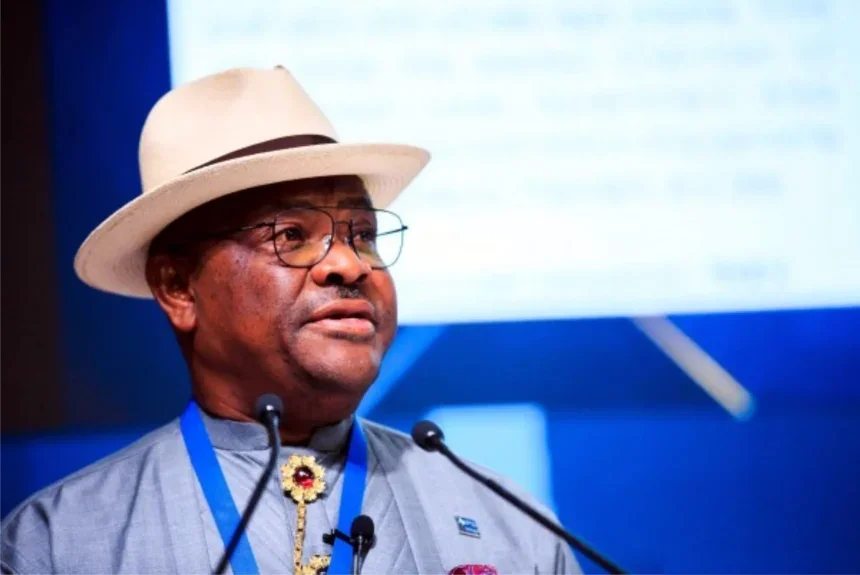
Wike Flags Off Month-Long Commissioning of Roads and Public Infrastructure
The Minister of the Federal Capital Territory (FCT), Nyesom Wike, has announced a 31-day project commissioning programme across Abuja, marking one of the most extensive infrastructure rollout exercises undertaken by the FCT Administration in recent years. The initiative is expected to showcase completed projects spanning transportation, road infrastructure, urban development and public facilities across different parts of the capital city. According to the FCT Administration, the commissioning exercise forms part of broader efforts to improve infrastructure delivery, strengthen urban connectivity and support economic growth within Abuja.
/ You Might Also Like /




The programme highlights the administration’s focus on accelerating project completion and expanding infrastructure investments across the Federal Capital Territory.
FCTA Plans Month-Long Infrastructure Rollout
Speaking on the initiative, Wike stated that the commissioning programme will run for 31 consecutive days and will cover multiple completed projects located across various districts of Abuja. The exercise is designed to formally open newly completed infrastructure and public development projects for public use while highlighting ongoing investments within the territory.
The FCT Administration noted that the programme reflects efforts to demonstrate progress in project execution and improve service delivery across the capital.
Officials indicated that several projects have reached completion stages following accelerated construction and funding efforts over recent months.
Focus on Roads and Urban Connectivity
Road infrastructure is expected to feature prominently among the projects scheduled for commissioning.
Over the past year, the FCT Administration has prioritised the construction, rehabilitation and expansion of road networks aimed at reducing congestion, improving mobility and enhancing access to developing districts. Improved transportation infrastructure remains a key component of Abuja’s urban growth strategy as population expansion continues to increase demand for connectivity.
Urban planners note that efficient road networks play an important role in supporting residential development, commercial activity and investment across growing urban centres.
The commissioning programme is expected to include major road projects designed to improve traffic flow and strengthen inter-district connections.
Infrastructure Development Supports Housing Growth
The infrastructure rollout also carries important implications for Abuja’s housing and real estate sectors.
Improved roads, public utilities and transportation networks often increase the attractiveness of residential districts and support property development activities. Infrastructure investments can also unlock new development corridors, expand access to land and improve the viability of housing projects.
Real estate stakeholders frequently cite infrastructure availability as one of the most important factors influencing residential investment decisions.
As Abuja continues to expand, coordinated infrastructure delivery remains essential for supporting sustainable housing development and urban growth.
Urban Renewal Remains Central to FCTA Strategy
The commissioning programme aligns with broader urban renewal efforts currently underway across the Federal Capital Territory.
The FCT Administration has increasingly focused on upgrading infrastructure, enforcing planning regulations and improving public facilities as part of efforts to modernise the capital city. These initiatives include road projects, drainage improvements, transportation upgrades and other public infrastructure investments.
Officials argue that stronger infrastructure networks are necessary to accommodate population growth while maintaining Abuja’s long-term development objectives.
Urban development experts note that infrastructure investment remains critical for improving city competitiveness and quality of life.
Economic Impact of Infrastructure Investment
Large-scale infrastructure projects often generate wider economic benefits beyond immediate construction activity.
Investments in transportation and public infrastructure can support business expansion, improve productivity and stimulate private sector development. Improved connectivity may also reduce logistics costs, attract investment and enhance access to economic opportunities across different parts of the city.
Construction activities linked to infrastructure projects also contribute to employment generation and demand for building materials, engineering services and related industries.
Analysts view infrastructure delivery as an important driver of long-term economic development within rapidly growing urban centres.
Project Delivery and Public Accountability
The decision to commission multiple projects over a defined period also reflects increasing attention on project delivery and public accountability.
Governments at both federal and state levels face growing expectations to demonstrate progress on infrastructure commitments and ensure that public investments translate into completed projects. Formal commissioning exercises often serve as milestones that highlight project completion and operational readiness.
Industry stakeholders note that transparent reporting on project implementation can strengthen public confidence and improve oversight of development programmes.
The 31-day schedule signals an effort by the FCT Administration to showcase completed investments and reinforce delivery performance.
Implications for Real Estate and Investment
Infrastructure expansion remains closely linked to property market growth across Abuja.
Areas benefiting from improved road access and public infrastructure frequently experience increased development activity and stronger investor interest. Developers often view infrastructure availability as a critical factor in determining project feasibility and long-term property values.
Housing sector participants note that sustained infrastructure investment can help reduce development constraints and support the expansion of residential communities into emerging districts.
As new projects become operational, market participants will continue monitoring their impact on development patterns across the capital.
Abuja’s Expanding Development Agenda
The commissioning programme reflects the broader scale of development activity currently taking place across the Federal Capital Territory.
In addition to transportation infrastructure, Abuja continues to experience investment in housing, commercial real estate, public facilities and urban renewal projects. Population growth and increasing economic activity continue to drive demand for expanded infrastructure capacity.
Development experts argue that coordinated planning and sustained investment will remain essential for managing future urban expansion effectively.
The ability to deliver completed projects on schedule remains a key indicator of progress within the capital’s development agenda.
Conclusion
The announcement of a 31-day project commissioning programme across Abuja underscores the FCT Administration’s focus on infrastructure delivery, urban renewal and public investment. By commissioning completed projects across transportation, road development and public infrastructure, the administration aims to demonstrate progress in improving connectivity and supporting economic growth within the Federal Capital Territory.
As Abuja continues to expand, sustained infrastructure investment will remain critical to housing development, urban planning and long-term economic competitiveness. The impact of the newly commissioned projects will likely shape future development patterns across the capital and strengthen ongoing efforts to improve public service delivery.
READ MORE