Benin, Togo, Niger Owe Nigeria $9.55m in Electricity Debt
Nigeria Flags Rising Electricity Debt from West African Neighbours
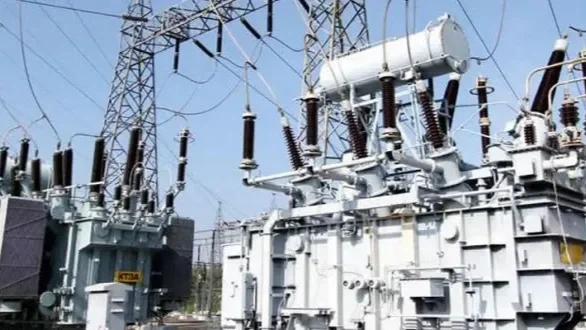
Nigeria has raised concerns over unpaid electricity bills totalling $9.55 million owed by neighbouring countries Benin, Togo, and Niger for power supplied through regional grid arrangements. The development highlights ongoing liquidity challenges in Nigeria’s power sector and growing risks in cross-border energy trade.
/ You Might Also Like /




Rising Debt in Regional Power Trade
The stems from electricity supplied by Nigeria to neighbouring West African countries under existing bilateral and regional agreements. These arrangements are part of broader efforts to strengthen energy cooperation and improve electricity access across the region.
However, persistent payment delays have created financial strain within Nigeria’s power value chain, where liquidity challenges already limit generation and distribution capacity.
Pressure on Nigeria’s Power Sector
Nigeria’s electricity sector continues to face significant financial constraints, with debts across the value chain affecting generation companies, transmission infrastructure, and distribution networks.
Unpaid international obligations further compound these challenges. The $9.55 million owed by Benin, Togo, and Niger adds to existing domestic debts, intensifying pressure on sector operators.
Countries like Benin rely partly on electricity imports from Nigeria due to limited domestic generation capacity, making cross-border supply critical to their energy mix.
Implications for Energy Security and Supply
The accumulation of unpaid debts raises concerns about the sustainability of regional electricity trade. If unresolved, it could:
Disrupt power supply agreements
Reduce incentives for Nigeria to export electricity
Affect energy security in neighbouring countries
Limit investment in generation and transmission infrastructure
For Nigeria, maintaining export commitments while managing domestic supply gaps presents a growing policy challenge.
Regulatory and Policy Considerations
The situation underscores the need for stronger enforcement mechanisms within regional power agreements. Analysts suggest that clearer payment frameworks, guarantees, and sanctions may be required to ensure compliance.
There is also a need for improved coordination between regional institutions and national regulators to enhance transparency and accountability in cross-border electricity transactions.
Broader Regional Context
West Africa’s energy integration efforts, including initiatives such as the West African Power Pool, are designed to optimise resource sharing and improve electricity access across countries.
However, financial sustainability remains a critical constraint. Without reliable payment systems, the long-term viability of regional power markets could be undermined.
Outlook: Managing Risk in Cross-Border Energy Trade
Nigeria’s position as a key electricity exporter in the region places it at the centre of West Africa’s energy integration strategy. However, rising payment defaults highlight the need for reforms to protect sector liquidity.
The $9.55 million electricity debt owed by Benin, Togo, and Niger underscores structural challenges in regional power trade. Addressing these issues will require stronger regulatory frameworks, improved payment discipline, and coordinated policy action to ensure the sustainability of cross-border energy supply and investment.
READ MORE