Nigeria’s Housing Deficit Could Reach 28 Million Units, Lagos Government Warns
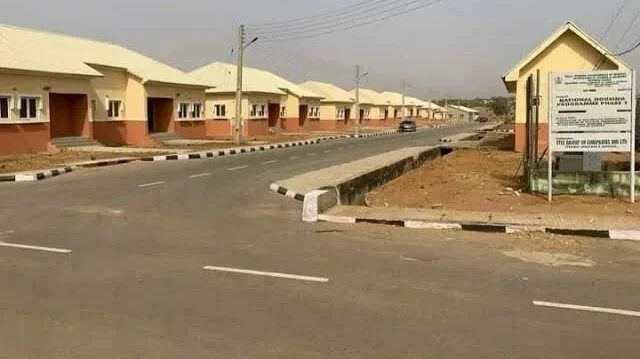
Housing Supply Challenges Threaten to Push Deficit to 28 Million Units
The Lagos State Government has warned that Nigeria’s housing deficit could rise to 28 million units if urgent measures are not implemented to accelerate housing delivery and improve access to affordable homes. The warning reflects growing concerns over the widening gap between housing demand and supply as rapid population growth, urbanisation and rising construction costs continue to place pressure on the country’s housing sector. According to state officials, addressing the deficit will require stronger collaboration between government agencies, private developers, financial institutions and infrastructure providers.
/ You Might Also Like /




The development highlights the scale of Nigeria’s housing challenge at a time when demand for residential accommodation continues to outpace new housing supply across major urban centres.
Lagos Warns of Growing Housing Shortfall
Speaking on the state of housing development in Nigeria, Lagos State officials warned that the national housing deficit may increase to 28 million units if existing supply constraints persist. The government noted that population expansion and increasing migration into urban areas continue to intensify pressure on available housing stock.
Nigeria remains one of the fastest urbanising countries in Africa, with major cities such as Lagos, Abuja, Port Harcourt and Kano experiencing sustained population growth. As urban populations expand, housing demand continues to rise faster than the rate of new residential construction.
Housing experts note that without large-scale investments and policy reforms, the gap between housing demand and supply could continue widening in the coming years.
Urbanisation Continues to Drive Housing Demand
Rapid urbanisation remains one of the most significant drivers of Nigeria’s housing shortage.
According to estimates from development agencies and housing sector stakeholders, millions of Nigerians relocate to urban centres annually in search of employment, education and economic opportunities. This migration places additional pressure on housing markets already struggling with limited supply and rising costs.
Lagos, Nigeria’s commercial capital, remains one of the cities most affected by housing demand pressures due to its growing population and economic significance. The state government has repeatedly emphasised the need for increased housing production to meet expanding urban needs.
Urban planners argue that coordinated housing and infrastructure development will be essential to managing future population growth sustainably.
Affordability Remains a Major Barrier
Beyond supply challenges, affordability continues to limit access to housing for many Nigerians.
Rising land prices, increasing construction costs, high building material expenses and limited access to long-term housing finance have made homeownership difficult for a significant portion of the population. Developers also face challenges linked to infrastructure deficits, regulatory approvals and financing constraints.
Housing sector analysts note that the affordability gap affects both low-income and middle-income households, contributing to increased demand for rental accommodation and informal housing solutions.
The situation has intensified concerns about housing accessibility and long-term urban sustainability.
Limited Mortgage Access Constrains Homeownership
Access to mortgage financing remains one of the structural challenges affecting housing delivery in Nigeria.
Compared with many emerging markets, Nigeria’s mortgage penetration remains relatively low, limiting the ability of households to finance home purchases. High interest rates, short loan tenors and income qualification requirements continue to restrict mortgage accessibility for many potential homeowners.
Stakeholders have consistently called for expanded housing finance programmes, lower-cost mortgage products and stronger support for affordable housing initiatives.
Improving access to long-term financing is widely viewed as a critical component of efforts to reduce the housing deficit.
Government and Private Sector Collaboration Needed
Lagos officials stressed that addressing the housing shortage will require stronger collaboration between public and private sector participants.
The government emphasised the importance of partnerships capable of increasing housing supply, improving infrastructure delivery and attracting investment into residential development projects. Industry stakeholders also advocate reforms that simplify land administration processes, reduce development costs and encourage greater private sector participation.
Public-private partnerships are increasingly viewed as important mechanisms for scaling housing delivery while leveraging private capital and expertise.
Housing experts argue that no single institution can address the deficit independently given the scale of demand.
Infrastructure Deficits Affect Housing Development
Infrastructure challenges continue to affect the pace and cost of residential construction across many parts of the country.
Developers often face significant expenses related to roads, drainage systems, electricity connections, water supply and other essential infrastructure requirements. These costs are frequently transferred to homebuyers and tenants, contributing to higher housing prices.
Industry stakeholders maintain that improved infrastructure investment could help reduce development costs and encourage larger-scale housing projects.
The relationship between infrastructure provision and housing affordability remains a key issue within the broader urban development agenda.
Economic Implications of the Housing Deficit
The housing shortage carries implications beyond the real estate sector.
Housing development contributes significantly to economic activity through construction, manufacturing, employment generation and infrastructure investment. A growing housing deficit can affect productivity, living standards and urban competitiveness.
Economists note that expanding housing supply can stimulate multiple sectors, including cement production, building materials, financial services and transportation. Increased residential development can also support job creation and broader economic growth.
As a result, housing policy is increasingly viewed as an important component of national economic development strategies.
Renewed Focus on Affordable Housing Initiatives
Federal and state governments have introduced various programmes aimed at increasing housing delivery and improving affordability.
Initiatives such as the Renewed Hope Housing Programme, rent-to-own schemes, mortgage support mechanisms and public housing projects are designed to expand access to housing across different income groups. However, sector participants argue that significantly larger investments and faster implementation will be required to address the scale of the deficit.
Housing experts emphasise that sustained policy consistency and financing support remain essential for long-term success.
Conclusion
The Lagos State Government’s warning that Nigeria’s housing deficit could reach 28 million units underscores the growing urgency of addressing one of the country’s most significant development challenges. Rapid urbanisation, population growth, affordability constraints and limited housing supply continue to widen the gap between demand and available homes.
As policymakers, developers and financial institutions seek solutions, expanding affordable housing delivery, improving mortgage access and strengthening infrastructure investment will remain central to efforts aimed at narrowing the deficit and improving housing access for millions of Nigerians.
READ MORE