FG, EU Launch €2.7M Earth Observation Project to Transform Nigerian Agriculture
Leveraging Earth Observation for Food Security in Nigeria
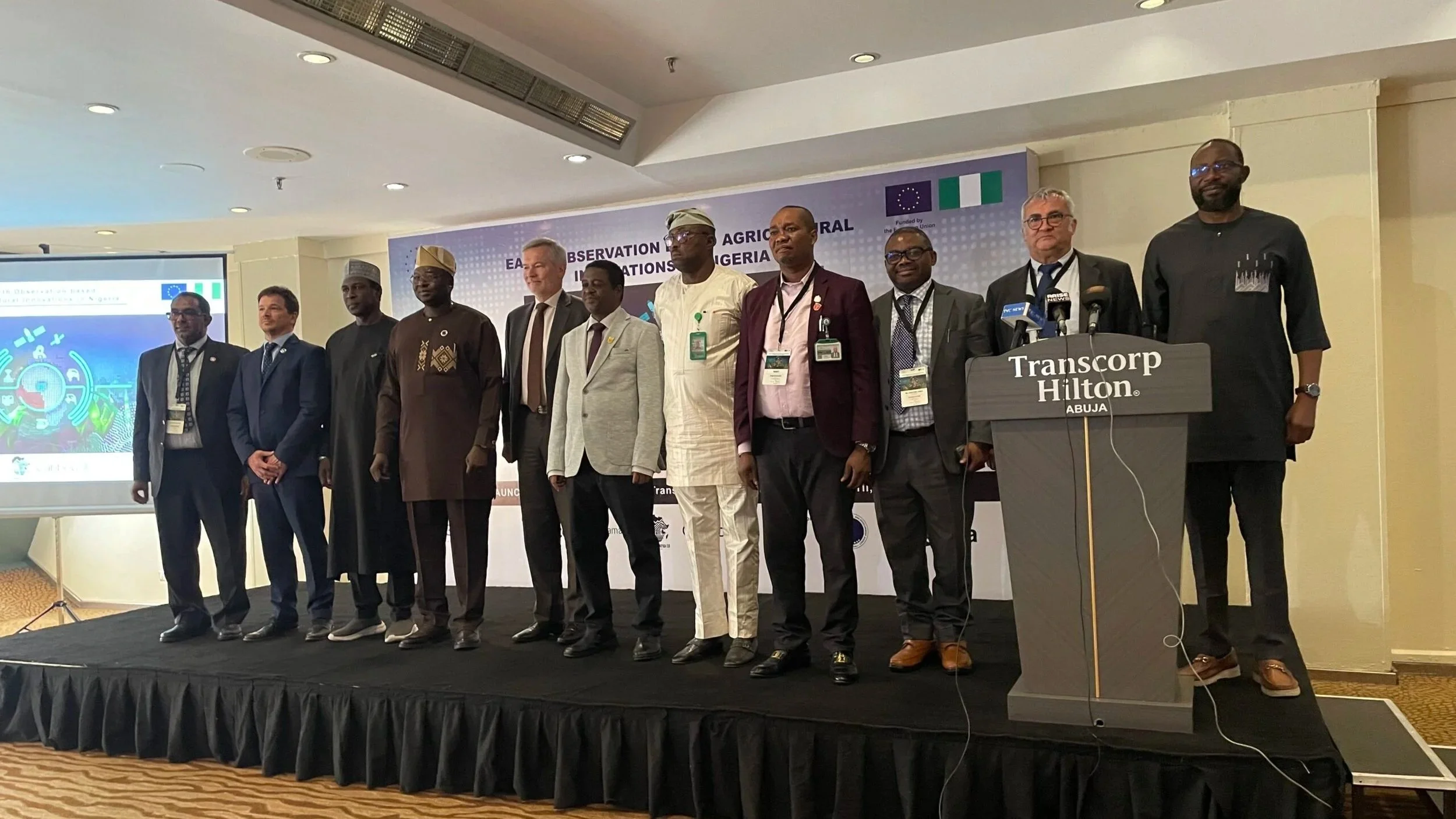
The Federal Government of Nigeria, in collaboration with the European Union (EU), has officially inaugurated a €2.7 million Earth Observation-based agricultural project designed to optimize crop yields and strengthen food security. The initiative, titled "Earth Observation for Food Security and Agricultural Productivity in Nigeria," leverages satellite technology to provide real-time data for informed decision-making within the nation's primary sector.
/ You Might Also Like /




Technological Integration in Agriculture
The project is funded under the EU-Africa Global Development Alliance and focuses on utilizing Earth Observation (EO) data to monitor crop health, soil conditions, and weather patterns. By integrating satellite imagery with ground-level data, the initiative aims to provide smallholder farmers and policymakers with precise information to mitigate the impacts of climate change and optimize resource allocation.
According to officials at the inauguration ceremony in Abuja, the project will be implemented over a three-year period. It seeks to bridge the existing data gap in the Nigerian agricultural landscape, allowing for more accurate harvest forecasting and the early detection of pest infestations or drought conditions.
Strategic Partnerships and Funding
The €2.7 million investment represents a significant commitment from the European Union to support Nigeria's "Renewed Hope" agenda regarding food self-sufficiency. The project is being executed through a consortium of technical partners, including the National Space Research and Development Agency (NASRDA) and various international research institutions.
The Minister of Agriculture and Food Security emphasized that the transition to data-driven farming is no longer optional but a necessity for economic stability. The partnership is expected to empower approximately 300,000 farmers across selected geopolitical zones during its initial phase, providing them with digital tools to improve farm management practices.
Socio-Economic Impact and Sustainability
Beyond immediate technical assistance, the project is structured to enhance the capacity of local institutions. Training programmes for extension workers and data analysts are embedded within the framework to ensure the long-term sustainability of the EO infrastructure.
Experts suggest that the successful deployment of this technology could reduce post-harvest losses and increase the overall contribution of agriculture to Nigeria’s Gross Domestic Product (GDP). By providing a clearer picture of land-use patterns, the project also assists the government in land administration and the protection of arable corridors from encroachment.
Forward-Looking Perspective
The inauguration of this €2.7 million project marks a pivotal shift toward the digitalisation of Nigerian agriculture. As the global community faces increasing volatility in food supply chains, Nigeria’s adoption of Earth Observation technology positions the country to better navigate climate risks. The success of this initiative will likely serve as a blueprint for future tech-driven interventions in other sectors of the Nigerian economy, provided that the digital infrastructure is maintained and the data remains accessible to the rural farming population.
READ MORE