Homeowners Petition Wike Over Alleged Threats and Extortion at Abuja Estate
Residents Request Protection of Property Rights Amid Abuja Estate Dispute
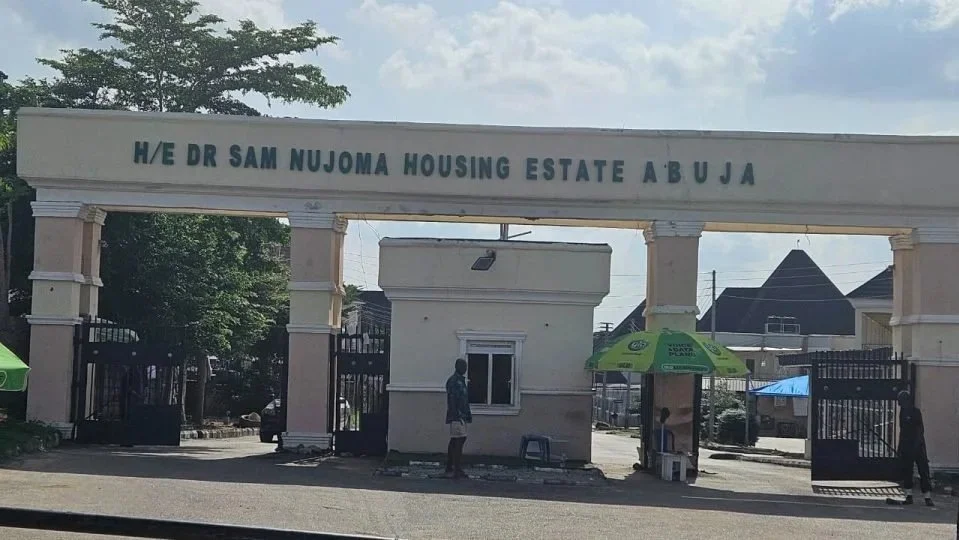
Homeowners at the Dr Sam Nujoma Estate in Abuja have petitioned the Minister of the Federal Capital Territory (FCT), Nyesom Wike, over allegations of threats, intimidation and extortion within the residential community. The residents are seeking government intervention, alleging that certain actions within the estate have created security concerns and placed pressure on property owners. The petition highlights growing tensions surrounding estate management, resident welfare and property rights within one of Abuja’s residential developments
/ You Might Also Like /




The development has drawn attention to broader issues relating to estate governance, dispute resolution and the protection of homeowners within Nigeria’s expanding urban housing sector.
Residents Seek FCT Intervention
According to the petition, homeowners appealed directly to the FCT Minister, requesting urgent intervention to address what they described as persistent threats, intimidation and alleged extortion targeted at residents within the estate. The petitioners argued that the situation has affected the peaceful enjoyment of their properties and created uncertainty among homeowners.
Residents reportedly called on the FCT Administration to investigate the allegations and ensure that the rights of lawful property owners are protected in accordance with existing regulations.
The petition reflects increasing efforts by homeowners to seek official intervention in disputes involving estate administration and community management.
Allegations Raise Concerns Over Property Rights
Central to the dispute are allegations that some residents have faced pressure through demands and actions they consider unlawful or outside established estate management procedures.
The petitioners argued that property ownership rights should be protected and that residents should not be subjected to intimidation or financial demands that lack proper legal or administrative justification. They maintained that transparent governance structures are essential to maintaining trust and stability within residential communities.
Property rights advocates note that disputes involving homeowners and estate administrators can have significant implications for community cohesion and investor confidence.
Estate Governance Under Scrutiny
The dispute has renewed attention on governance standards within private and mixed residential estates across major Nigerian cities.
As gated communities and organised housing estates continue to expand, questions surrounding service charges, estate regulations, resident representation and management accountability have become increasingly important. Disagreements often emerge when residents challenge administrative decisions or raise concerns about transparency in estate operations.
Housing sector stakeholders argue that clear governance frameworks and dispute resolution mechanisms are necessary to minimise conflicts and protect the interests of all parties involved.
The situation at Dr Sam Nujoma Estate reflects broader conversations about accountability within residential property management structures.
Growing Demand for Regulatory Oversight
Industry observers note that disputes involving estate administration are becoming more prominent as urban housing developments grow in scale and complexity.
Homeowners increasingly expect stronger regulatory oversight to ensure that estate management practices comply with legal standards and respect the rights of property owners. Stakeholders have also called for improved mechanisms that allow residents to raise grievances and resolve disputes without prolonged conflict.
Housing experts argue that effective oversight can strengthen confidence in residential developments and support long-term stability within the real estate market.
The petition to the FCT Minister highlights expectations that public authorities should play a role in addressing disputes with wider community implications.
Implications for Residential Communities
Disputes within residential estates can affect more than the immediate parties involved.
Concerns over security, governance and property rights may influence property values, resident satisfaction and investor perceptions of housing developments. Prolonged conflicts can also create uncertainty within communities and complicate estate management operations.
Real estate professionals note that stable governance structures are increasingly viewed as important factors in the attractiveness and sustainability of residential developments.
For homeowners, confidence in estate administration remains closely linked to broader issues of property security and quality of life.
Property Rights and Urban Development
The case also highlights the importance of protecting property rights within Nigeria’s growing urban housing market.
As housing estates continue to expand across Abuja, Lagos and other major cities, stakeholders are placing greater emphasis on transparent management practices, legal compliance and resident engagement. Strong property rights protections are widely regarded as essential for encouraging investment and supporting sustainable urban development.
Housing analysts argue that disputes should be addressed through lawful processes capable of balancing community interests with individual ownership rights.
The ability of authorities and estate managers to manage conflicts effectively remains important for maintaining trust within the housing sector.
Stakeholders Call for Peaceful Resolution
Residents have urged the FCT Administration to investigate the allegations and facilitate a resolution that protects homeowners while restoring stability within the estate.
Stakeholders emphasise the importance of dialogue, transparency and adherence to legal procedures in resolving community disputes. Housing experts note that early intervention and independent reviews can help prevent conflicts from escalating and reduce long-term disruption within residential developments.
The outcome of the petition could influence how similar disputes are handled across other estates facing governance-related challenges.
Conclusion
The petition submitted by homeowners at Abuja’s Dr Sam Nujoma Estate highlights growing concerns over alleged threats, intimidation and extortion within residential communities. By seeking intervention from the FCT Minister, residents have drawn attention to broader issues involving property rights, estate governance and accountability within Nigeria’s housing sector.
As authorities review the allegations, the case may contribute to wider discussions on estate management standards, regulatory oversight and the protection of homeowners in rapidly expanding urban housing developments.
READ MORE