Nigerian Banks Earn ₦1.95 Trillion from Foreign Subsidiaries in 2025
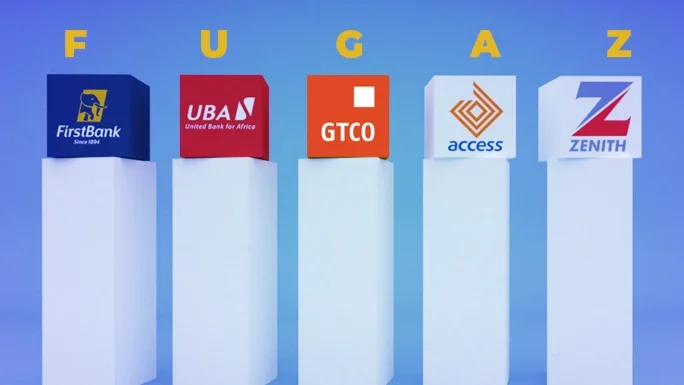
Banks Generate Nearly ₦2 Trillion from International Operations
Nigerian banks generated a combined ₦1.949 trillion from their foreign subsidiaries in 2025, underscoring the growing significance of international operations to the profitability and resilience of the country’s banking sector. According to an analysis of audited financial statements reported by Nairametrics, earnings from offshore operations contributed substantially to the overall performance of leading Nigerian lenders during the year.
/ You Might Also Like /




The figures reflect the success of expansion strategies pursued by major banks across Africa and other international markets, as institutions increasingly diversify revenue streams beyond Nigeria’s domestic economy.
Foreign Operations Become Major Earnings Driver
The latest data highlights the extent to which Nigerian banks have transformed into regional financial institutions with operations spanning multiple jurisdictions.
Income generated from subsidiaries outside Nigeria has become a critical component of earnings, helping banks offset domestic economic challenges while providing access to new markets, customers and investment opportunities.
Analysts note that foreign operations have strengthened revenue diversification, reduced concentration risks and improved overall financial stability for institutions with extensive international footprints.
Expansion Across African Markets
Several leading Nigerian banks have spent the past decade expanding aggressively across Africa, establishing subsidiaries in key markets including Ghana, Kenya, Côte d’Ivoire, Senegal, Sierra Leone, Rwanda, Tanzania, Zambia and South Africa.
These investments have enabled lenders to participate in growing regional trade flows, support cross-border business activities and deepen financial inclusion across the continent.
The strong earnings contribution recorded in 2025 suggests that these expansion strategies are beginning to deliver substantial returns for shareholders.
Impact on Banking Sector Performance
The growth in foreign subsidiary earnings comes at a time when Nigerian banks continue to navigate changing regulatory requirements, currency volatility and evolving market conditions.
By generating income from multiple jurisdictions, banks have been able to diversify their earnings base and strengthen profitability despite domestic economic pressures.
Industry experts believe that international operations now represent one of the most important growth drivers for Nigeria’s largest financial institutions.
Implications for Investors
For investors, the performance of foreign subsidiaries provides insight into the long-term growth prospects of Nigerian banks.
Institutions with successful international operations may benefit from stronger revenue diversification, broader customer bases and greater exposure to high-growth markets. These factors can enhance shareholder value and support sustained profitability over time.
The strong contribution from offshore businesses may also improve investor confidence in banks pursuing regional expansion strategies.
Regional Integration and Financial Growth
The growing success of Nigerian banks abroad reflects broader trends in African economic integration and cross-border finance.
As trade and investment flows increase under initiatives such as the African Continental Free Trade Area (AfCFTA), financial institutions are positioning themselves to facilitate transactions, support businesses and provide banking services across multiple markets.
This trend is expected to create additional opportunities for growth as African economies become increasingly interconnected.
Outlook
Analysts expect foreign subsidiaries to remain a major contributor to banking sector earnings in the coming years. Continued expansion, digital banking adoption and increased intra-African trade could further strengthen the performance of international operations.
However, banks will also need to manage regulatory differences, foreign exchange risks and varying economic conditions across jurisdictions to sustain growth.
The sector’s ability to balance expansion with prudent risk management will remain critical to long-term success.
Conclusion
The ₦1.949 trillion earned by Nigerian banks from foreign subsidiaries in 2025 highlights the growing importance of international operations to the sector’s profitability and resilience. As lenders continue to expand across Africa and beyond, cross-border banking activities are emerging as a key source of growth, diversification and shareholder value. The performance also reinforces the strategic role of regional expansion in shaping the future of Nigeria’s banking industry.
READ MORE