Housing Shortfall Surpasses 20 Million Homes in Nigeria
Stakeholders Call for Urgent Action on Housing Shortfall
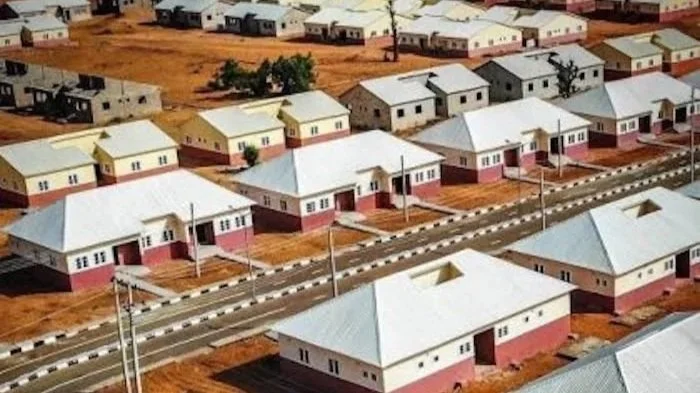
Nigeria’s housing deficit has surpassed 20 million units, underscoring the scale of the country’s housing challenge and the urgent need for coordinated action to increase supply, improve affordability and expand access to housing finance. Industry stakeholders say the widening gap between housing demand and available supply continues to place pressure on households, particularly in major urban centres where population growth and rising construction costs are driving accommodation shortages.
/ You Might Also Like /


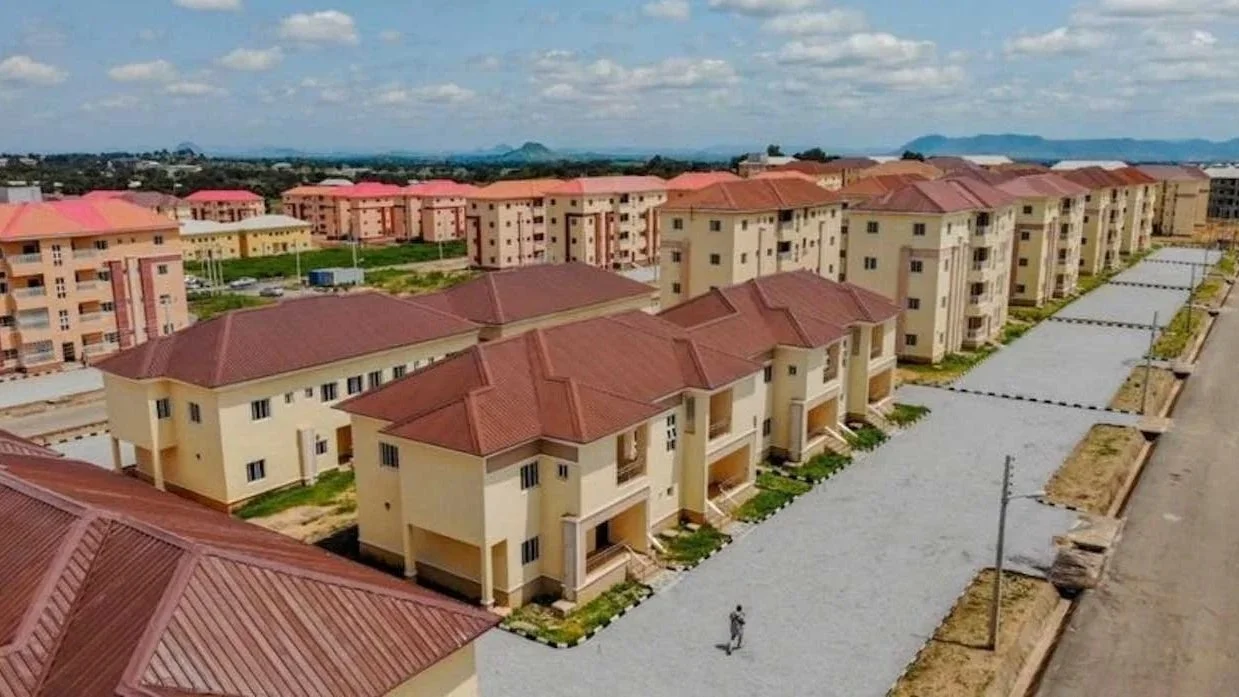

The latest estimates reinforce concerns that current housing delivery levels remain insufficient to meet the needs of Nigeria’s rapidly growing population, which is projected to exceed 400 million people within the coming decades.
Demand Continues to Outpace Supply
Housing experts attribute the growing deficit to a combination of rapid urbanisation, population growth, inadequate financing and high construction costs.
As more Nigerians migrate to urban centres in search of economic opportunities, demand for housing has increased significantly. However, the pace of residential development has not kept up with this growth, creating a persistent supply gap across both affordable and middle-income housing segments.
Industry stakeholders note that millions of households continue to face challenges accessing quality and affordable accommodation, particularly in Lagos, Abuja, Port Harcourt, Kano and other major cities.
Rising Construction Costs Worsen the Challenge
The cost of delivering housing projects has increased substantially in recent years due to inflation, foreign exchange pressures and rising prices of building materials.
Developers say the high cost of cement, steel, roofing materials and other construction inputs has affected project viability and slowed housing delivery across the country.
These challenges have made it increasingly difficult for developers to produce homes at price points affordable to the average Nigerian household, further widening the gap between demand and supply.
Limited Housing Finance Remains a Key Constraint
Access to affordable mortgage financing remains one of the biggest obstacles to homeownership in Nigeria.
Industry analysts point out that high interest rates, limited long-term funding and low mortgage penetration continue to restrict access to housing finance. As a result, many prospective homeowners are unable to secure the funding needed to purchase residential properties.
Developers have also repeatedly highlighted difficulties accessing affordable project financing, which limits their ability to scale housing delivery and undertake large residential developments.
Need for Policy Reforms and Private Investment
Stakeholders argue that addressing the housing deficit will require stronger collaboration between government, developers, financial institutions and investors.
Experts have called for reforms aimed at improving land administration, streamlining development approvals, expanding mortgage access and encouraging private-sector participation in affordable housing delivery.
There are also growing calls for increased investment in housing infrastructure, including roads, power and water systems, to reduce development costs and make large-scale residential projects more viable.
Economic Impact of the Housing Deficit
Beyond its social implications, the housing shortage has significant economic consequences.
Housing development supports job creation across construction, manufacturing, finance and related industries. Increased investment in residential development can stimulate economic activity, expand the tax base and improve living standards.
Analysts believe that closing the housing gap could unlock substantial economic value while contributing to broader national development objectives.
Outlook
With Nigeria’s population continuing to grow, demand for housing is expected to increase further in the coming years. Industry stakeholders maintain that without significant policy interventions and increased investment, the housing deficit could continue to widen.
Efforts to expand affordable housing programmes, strengthen mortgage systems and encourage private-sector investment are likely to remain central to discussions about housing policy and urban development.
Conclusion
Nigeria’s housing deficit exceeding 20 million units highlights one of the country’s most pressing development challenges. Addressing the shortfall will require sustained investment, policy reforms and improved access to affordable housing finance. As demand continues to rise, stakeholders agree that accelerating housing delivery and expanding affordability must remain key priorities for both government and the private sector.
READ MORE