Nigeria Moves to Curb Building Collapse with Nationwide Artisan Training
Government Expands Training for Artisans to Address Construction Defects
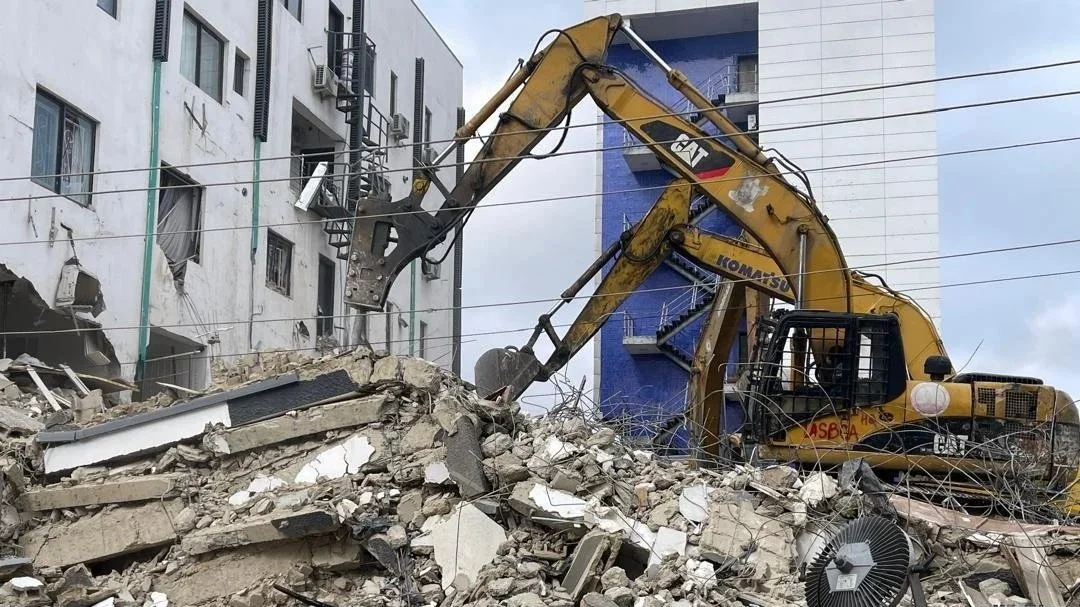
The Federal Government has launched a nationwide initiative to train artisans in a bid to address Nigeria’s persistent building collapse crisis, targeting skill deficiencies and poor construction practices across the sector.
The programme focuses on equipping construction workers including bricklayers, masons, and carpenters with standardised technical skills required to improve structural integrity and compliance with building regulations. The move reflects a policy shift toward preventive intervention rather than reactive enforcement.
/ You Might Also Like /




Addressing a Persistent Structural Risk
Building collapse remains a recurring challenge in Nigeria’s urban centres, with significant human and economic costs. Incidents are often linked to substandard construction practices, weak regulatory enforcement, and the use of unqualified labour.
Historical data underscores the severity of the issue. For example, the 2019 Lagos school collapse resulted in multiple fatalities and highlighted systemic failures in construction oversight and compliance. Such incidents continue to erode public confidence in the built environment and raise concerns among investors and developers.
Closing the Skills Gap in Construction
The artisan training initiative targets a critical weakness within Nigeria’s construction value chain: the shortage of certified and technically competent artisans. Industry stakeholders have consistently identified poor workmanship as a leading cause of structural failure.
Programmes of this nature aim to standardise skill levels, introduce best practices, and align local construction methods with safety benchmarks. Similar efforts at the state level, including certification frameworks for artisans, have demonstrated the importance of formalising informal labour within the sector.
Institutional Support and Policy Alignment
The initiative aligns with broader efforts by government agencies and research institutions to improve building standards. The Nigerian Building and Road Research Institute continues to play a central role in developing construction materials, testing frameworks, and technical guidelines aimed at reducing structural failures.
By integrating artisan training with institutional oversight, policymakers aim to create a more resilient construction ecosystem one that combines skilled labour, regulatory enforcement, and material quality assurance.
Implications for Housing Supply and Investment
Improving construction quality has direct implications for Nigeria’s housing market and broader economic stability. Building collapses not only result in loss of life but also increase project risks, insurance costs, and financing constraints.
For investors, the introduction of structured training programmes signals a move toward risk mitigation and improved project reliability. A more skilled workforce can enhance delivery timelines, reduce defects, and improve asset longevity key factors in attracting capital into the housing and infrastructure sectors.
Challenges to Implementation
Despite its potential, the success of the initiative will depend on execution. Key challenges include scaling training programmes nationwide, ensuring compliance among informal workers, and integrating certification into procurement and regulatory processes.
There is also a need for sustained monitoring and enforcement to ensure that trained artisans adhere to established standards on active construction sites.
Outlook
Nigeria’s decision to prioritise artisan training marks a strategic shift in addressing the root causes of building collapse. While regulatory enforcement remains essential, strengthening the skills base of the construction workforce offers a more sustainable pathway to improving safety outcomes.
For policymakers and industry stakeholders, the initiative represents an opportunity to rebuild trust in Nigeria’s construction sector and enhance the long-term resilience of its housing and infrastructure systems.
READ MORE