Lekki Free Trade Zone Records Growth in Office Development, Report Shows
Commercial Property Supply Expands in Lekki Free Trade Zone Corridor
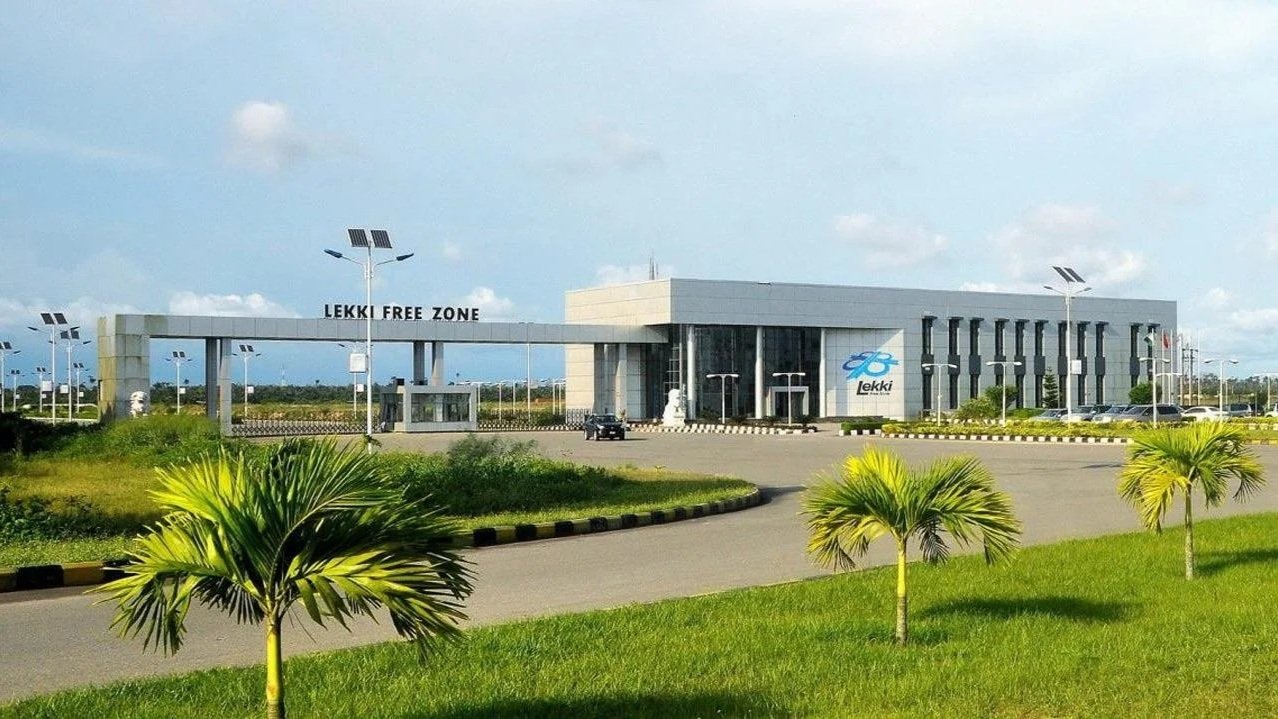
The Lekki Free Trade Zone (LFTZ) is witnessing increasing commercial real estate activity, with completed office space rising to 23,182 square metres, according to a recent market report. The growth reflects the corridor's transformation into a major industrial, logistics and business destination driven by strategic infrastructure investments, including the Lekki Deep Sea Port, Lagos Free Zone and the Dangote Refinery. As industrial activity expands across the zone, developers are increasingly investing in office infrastructure to support corporate operations, logistics services and professional business functions.
/ You Might Also Like /




The development signals a shift in Lagos' office market landscape, traditionally concentrated in Victoria Island, Ikoyi and Ikeja, towards emerging economic zones in the Lekki corridor.
Office Development Gains Momentum
According to Estate Intel's latest report, approximately 23,182 sqm of office space has been completed within the Lekki Free Trade Zone, while more than 45,100 sqm remains in the development pipeline. The report notes that many of the projects are being delivered as part of mixed-use developments designed to integrate office, residential and retail facilities.
The growing supply of office space reflects rising confidence among developers and investors regarding the long-term commercial potential of the area.
Industry analysts note that office demand within the zone is currently driven primarily by logistics operators, manufacturing companies, industrial service providers and businesses supporting trade activities.
Industrial Growth Driving Commercial Demand
The expansion of office infrastructure is closely linked to the rapid industrialisation taking place across the Lekki corridor.
Major investments such as the Lekki Deep Sea Port, Lagos Free Zone and the Dangote Refinery have significantly increased economic activity in the area, creating demand for corporate offices, administrative headquarters and professional service firms. Companies operating within the zone increasingly require proximity to production facilities, logistics centres and trade infrastructure.
As industrial clusters continue to expand, demand for supporting services such as finance, consulting, legal advisory and technology solutions is also expected to grow.
Real estate experts believe this trend could gradually transform the area into one of Nigeria's most important business districts.
Key Projects Supporting Growth
Several commercial developments are contributing to the expansion of office supply within the Lekki Free Trade Zone.
Among the completed projects is the Office Development within the Lekki Free Trade Zone, which provides more than 10,000 sqm of office and retail space and was completed in the fourth quarter of 2025. Another notable project is Irele Tower within the Lagos Free Zone, a mixed-use office and retail development offering approximately 8,500 sqm of gross leasable area.
Meanwhile, major developments remain under construction, including Shamballa in Alaro City, which is expected to provide approximately 39,500 sqm of Grade A office space upon completion. The project represents the largest share of the office development pipeline currently planned within the zone.
These projects are expected to strengthen the area's ability to accommodate growing business demand.
Shift in Lagos Office Market Dynamics
For decades, Lagos' office market has been concentrated in established commercial districts such as Victoria Island, Ikoyi, Ikeja and Lagos Island. However, increasing economic activity within the Lekki corridor is creating an alternative commercial hub that combines industrial production, logistics operations and corporate office functions.
Unlike traditional office markets driven by financial institutions and multinational headquarters, demand within the Lekki Free Trade Zone is largely linked to industrial and trade-related activities.
This distinction positions the corridor as a specialised business ecosystem that supports manufacturing, export operations and supply chain management.
Implications for Real Estate Investment
The growth in office development presents new opportunities for investors within Nigeria's commercial property market.
As business activity expands across the Lekki corridor, demand for office accommodation, retail facilities and mixed-use developments is expected to increase. Improved infrastructure and economic activity may also contribute to higher occupancy levels and stronger long-term asset performance.
Property analysts note that the combination of industrial growth and commercial real estate development creates a favourable environment for investment in both office and supporting property sectors.
The continued expansion of infrastructure is likely to remain a major driver of future market activity.
Impact on Housing and Urban Development
The increase in office development also carries implications for housing demand and urban growth across the Lekki axis.
As more businesses establish operations within the Free Trade Zone, demand for residential accommodation is expected to rise among employees, executives and service providers working in the area. This trend may stimulate further residential development and support the emergence of integrated live-work communities.
Urban planners increasingly view the Lekki corridor as one of Lagos' most important future growth centres due to its combination of industrial, commercial and residential development opportunities.
The relationship between office expansion and housing demand is likely to become more pronounced as development accelerates.
Outlook for the Lekki Free Trade Zone
With more than 45,100 sqm of office space still under development, the commercial real estate market within the Lekki Free Trade Zone appears poised for continued growth. Developers are positioning themselves ahead of anticipated increases in business demand as industrial projects mature and supporting industries expand.
The delivery of additional office infrastructure is expected to strengthen the zone's competitiveness as a destination for investment, trade and industrial operations.
As Lagos continues to evolve into a more diversified economic centre, the Lekki Free Trade Zone is increasingly emerging as a critical component of the city's long-term development strategy.
Conclusion
The completion of 23,182 sqm of office space within the Lekki Free Trade Zone underscores the area's growing importance as a commercial and industrial hub. Supported by major infrastructure projects and expanding industrial activity, the zone is attracting increasing investment in office developments designed to meet the needs of businesses operating within the corridor.
With a substantial pipeline of new projects underway, the Lekki Free Trade Zone is positioned to play a larger role in Nigeria's commercial real estate market while supporting broader economic growth, job creation and urban development across Lagos
READ MORE