Oke Afa Bridge Faces Imminent Collapse as Structural Failure Worsens
Residents Warn of Imminent Collapse of Oke Afa Bridge in Lagos
The Oke Afa Bridge in Lagos is at risk of imminent collapse following significant structural deterioration, prompting urgent warnings from residents, commuters, and local stakeholders. The bridge, a critical link across multiple communities in the Oshodi-Isolo axis, has reportedly weakened after caving in partially earlier this year.
The development has heightened concerns over public safety and infrastructure resilience in Nigeria’s commercial capital, with calls for immediate government intervention to prevent a potential disaster.
/ You Might Also Like /


Critical Transport Link Under Severe Strain
The bridge connects several high-density areas, including Isolo, Jakande Gate, Ijegun, Egbe, Ikotun, and Idimu, serving thousands of commuters daily. Estimates indicate that more than 10,000 vehicles including heavy-duty trucks, commercial buses, and private cars use the route each day.
Its strategic importance is amplified by its role in facilitating the movement of goods from Lagos ports to inland markets. The surrounding area hosts multiple warehouses that depend on the corridor for logistics operations, making the bridge essential to local and regional economic activity.
Visible Structural Damage Raises Safety Concerns
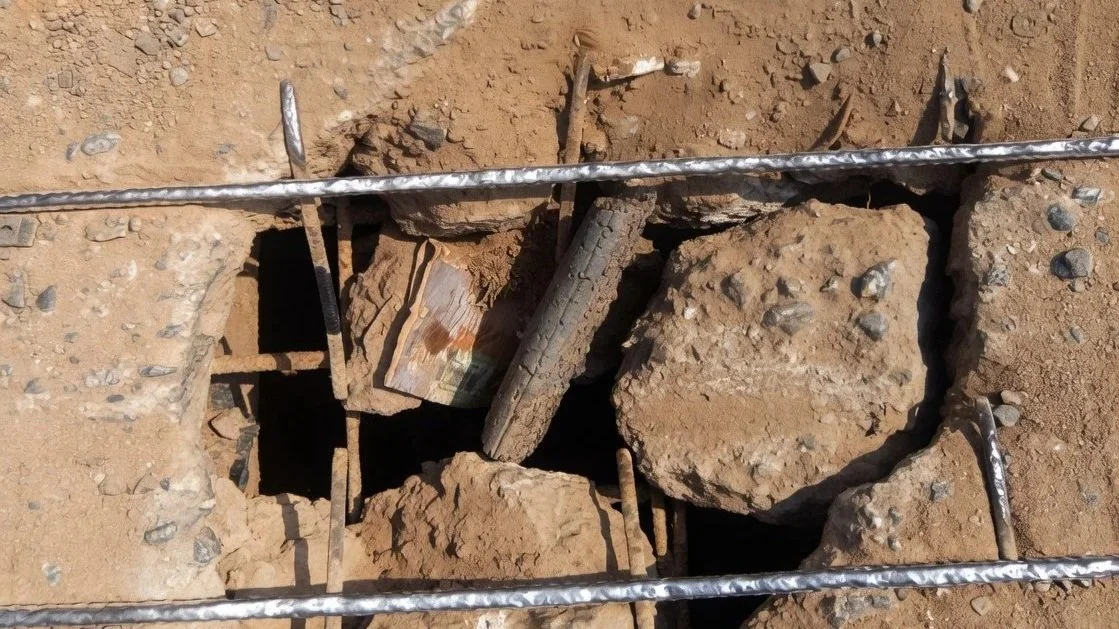
On-ground assessments reveal severe structural degradation. Erosion beneath the bridge has exposed reinforcement bars, while sections of the surface show signs of weakening. Residents report that the structure vibrates significantly under the weight of passing trailers, indicating compromised load-bearing capacity.
The absence of protective railings reportedly removed by vandals has further increased the risk to motorists and pedestrians. Local accounts also highlight frequent incidents involving falling containers along the adjoining road, with reports of up to three such occurrences weekly.
Road Network Collapse Compounds Traffic Crisis
The deterioration of the adjoining Jakande Gate road has intensified the situation, with sections of the road already collapsed. The combined effect of failing road and bridge infrastructure has resulted in persistent traffic congestion across the corridor.
For businesses and commuters, the impact is both operational and economic. Delays in the movement of goods and personnel increase transportation costs, disrupt supply chains, and reduce productivity within one of Lagos’ busiest industrial zones.
Aging Infrastructure and Maintenance Gaps
Investigations indicate that the bridge was last comprehensively rehabilitated approximately two decades ago, with only limited repair work carried out in 2023 following earlier signs of failure.
This pattern reflects broader infrastructure maintenance challenges across Nigeria, where ageing assets often receive reactive rather than preventive attention. The lack of sustained investment in inspection, rehabilitation, and enforcement has contributed to the gradual deterioration of critical transport infrastructure.
Public Calls for Urgent Government Intervention
Residents and stakeholders have called on both the Lagos State Government and the Federal Government to undertake immediate structural assessments and rehabilitation work. The consensus among local users is that the bridge represents a “high-risk asset” requiring urgent reinforcement or reconstruction.
The warnings highlight the potential consequences of inaction, including structural collapse, loss of life, and significant economic disruption.
Outlook
The condition of the Oke Afa Bridge underscores the urgent need for a more proactive infrastructure management framework in Nigeria. As urban populations expand and logistics demand intensifies, the resilience of transport networks will play a decisive role in economic performance.
For policymakers and investors, the situation reinforces the importance of prioritising maintenance funding, strengthening regulatory oversight, and adopting long-term infrastructure planning strategies. Immediate intervention may avert a crisis, but sustained reform is required to address systemic vulnerabilities in Nigeria’s infrastructure ecosystem.
READ MORE