Nigerian Navy Commissions New Housing and Recreational Facilities in Lagos to Improve Personnel Welfare
Nigerian Navy Strengthens Welfare Drive with Housing and Golf Club Projects
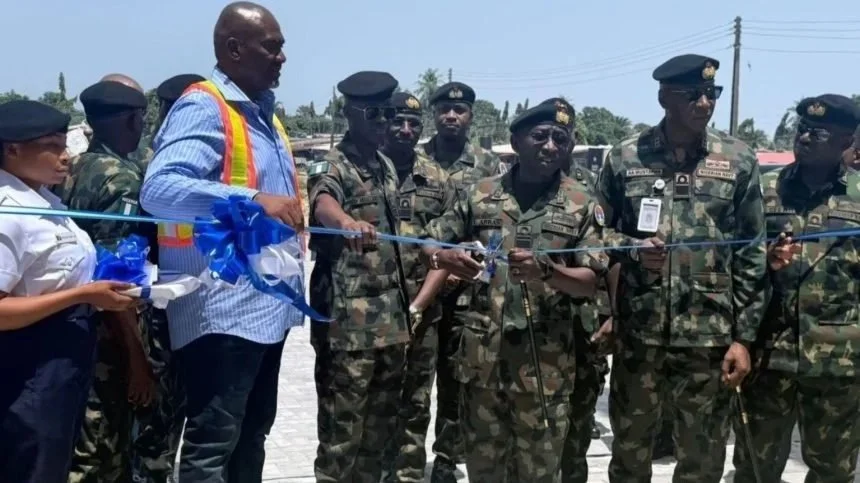
The Nigerian Navy has commissioned a series of new housing and recreational facilities in Lagos as part of its ongoing efforts to improve personnel welfare, address accommodation challenges and strengthen operational effectiveness. The projects, unveiled during activities marking the Navy’s 70th anniversary, include residential accommodation blocks for junior and senior ratings as well as a modern recreational clubhouse designed to support the wellbeing of service members and their families. According to the Chief of the Naval Staff, Vice Admiral Idi Abbas, the initiative reflects the Navy’s commitment to infrastructure renewal and improved living conditions across its formations.
/ You Might Also Like /




The development highlights growing investment in welfare-focused infrastructure within Nigeria’s defence sector as authorities seek to improve housing access and support workforce productivity.
New Housing Projects Delivered in Lagos
The newly commissioned projects were unveiled at Navy Town, Ojo, Lagos, and include a 48-unit one-bedroom accommodation block for junior ratings and a 16-unit two-bedroom residential complex for senior ratings. The facilities were developed to address longstanding accommodation shortages affecting personnel stationed in Lagos.
According to the Nigerian Navy, the housing units are expected to provide safer and more comfortable living conditions while helping to improve morale, productivity and operational readiness among personnel.
Military housing remains an important component of welfare programmes aimed at supporting service members and their families.
Abandoned Projects Revived and Completed
Vice Admiral Abbas stated that one of the most significant achievements was the completion of the 48-unit accommodation block, which had remained abandoned for more than five years before being revived under the current administration. Following approvals and documentation processes, construction resumed in March 2026 and was completed within approximately eight weeks.
The naval chief noted that the Navy would continue prioritising the completion of viable abandoned projects across its formations to ensure that previously committed resources generate meaningful benefits for personnel.
Industry observers note that reviving stalled infrastructure projects can improve efficiency while reducing the financial losses associated with abandoned developments.
Recreational Infrastructure Added to Welfare Programme
In addition to residential accommodation, the Navy commissioned the Dolphin Golf Club House, a modern two-storey recreational facility designed to promote relaxation, social interaction and professional engagement among personnel, veterans and strategic partners. The facility includes lounges, offices, changing rooms, a bar, kitchen facilities and landscaped outdoor spaces.
Officials stated that recreational infrastructure forms an important part of personnel welfare strategies by supporting physical wellbeing, mental health and community engagement.
The inclusion of leisure facilities reflects a broader approach to welfare that extends beyond housing provision alone.
Infrastructure Designed for Long-Term Sustainability
The Nigerian Navy disclosed that the housing projects incorporate supporting infrastructure aimed at ensuring durability and long-term functionality.
According to project details, the residential facilities include water supply systems, storage infrastructure, access roads, parking areas and external works designed to improve living conditions for occupants. Some structures were constructed using specialised engineering solutions to address challenges associated with waterlogged terrain and site conditions.
Officials emphasised the importance of proper maintenance and responsible use of public infrastructure to preserve the value of the investments.
Personnel Welfare Linked to Operational Effectiveness
Speaking during the commissioning exercise, Vice Admiral Abbas described personnel welfare as a critical component of military effectiveness. He noted that well-maintained accommodation and support facilities contribute directly to morale, readiness and service delivery.
Defence analysts frequently argue that investment in housing, healthcare and welfare infrastructure can improve workforce stability and strengthen institutional performance across military organisations.
The Navy maintains that improving living conditions remains an important part of broader efforts to modernise the service and enhance operational capabilities.
Housing Remains Key Challenge Across Public Institutions
Accommodation shortages continue to affect many public institutions across Nigeria, including security agencies and government services.
Growing personnel numbers, urban housing pressures and infrastructure deficits have increased demand for residential facilities in major cities such as Lagos and Abuja. Housing projects developed within institutional communities often help reduce accommodation challenges while improving access to essential services for employees.
The Navy’s investment in residential infrastructure reflects wider efforts across government institutions to improve workforce welfare through targeted housing programmes.
Economic Impact of Infrastructure Development
The construction and completion of housing and recreational facilities also contribute to broader economic activity.
Infrastructure projects generate demand for construction services, engineering expertise, building materials and related industries. Large-scale public investments can support employment opportunities while stimulating activity within the construction and real estate sectors.
Housing sector stakeholders note that institutional housing developments remain an important segment of Nigeria’s broader residential property market.
The completion of previously abandoned projects also supports more efficient utilisation of public resources.
Navy’s Broader Infrastructure Expansion Strategy
The commissioning forms part of a wider infrastructure development programme currently being implemented by the Nigerian Navy.
Recent initiatives have included housing projects, healthcare facilities and operational infrastructure across multiple naval formations nationwide. The service has also emphasised the rehabilitation of existing facilities alongside the construction of new projects.
Officials maintain that sustained infrastructure investment remains necessary to support personnel welfare and operational readiness as the Navy continues to expand its responsibilities within Nigeria’s maritime security framework.
Conclusion
The commissioning of new housing and recreational facilities in Lagos underscores the Nigerian Navy’s focus on personnel welfare, infrastructure renewal and operational effectiveness. By delivering new accommodation units, reviving abandoned projects and expanding recreational infrastructure, the service aims to improve living conditions for officers, ratings and their families while strengthening institutional performance.
As housing and welfare remain important priorities across public institutions, the projects highlight the growing role of infrastructure investment in supporting workforce wellbeing, service delivery and long-term organisational development.
READ MORE