Lagos Shuts Unsafe Construction Sites in Major Safety Enforcement Drive
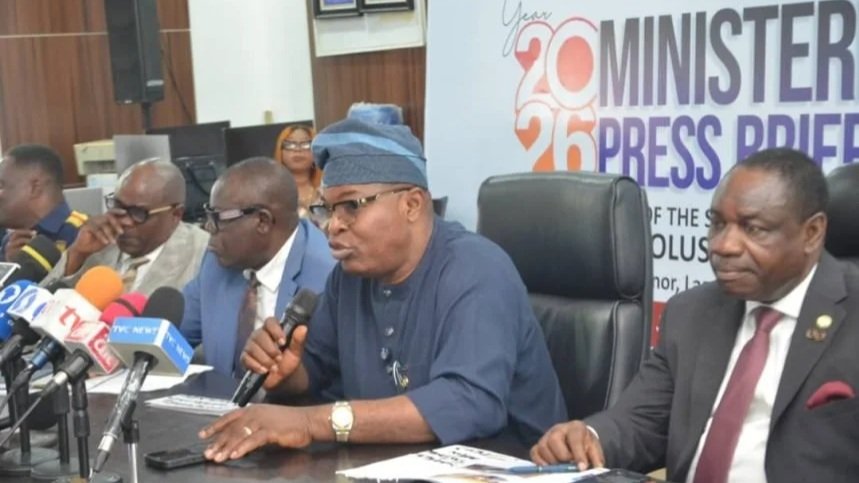
Unsafe Facilities Shut Down as Lagos Expands Regulatory Enforcement
The Lagos State Government has intensified its regulatory enforcement campaign by shutting down multiple unsafe construction and commercial facilities while conducting compliance inspections across more than 2,800 sites statewide. The operation forms part of broader efforts to strengthen public safety, improve regulatory compliance and reduce risks associated with unsafe building practices and workplace conditions.
/ You Might Also Like /




State authorities stated that the enforcement drive targeted construction sites, industrial facilities, event centres, markets, schools and other public-use structures found to be operating without adequate safety standards or regulatory approvals. Officials noted that the inspections were conducted as part of ongoing monitoring initiatives aimed at improving safety compliance within Lagos’ rapidly expanding urban environment.
Lagos Expands Safety Enforcement Across Key Sectors
According to the Lagos State Safety Commission, more than 2,800 facilities were inspected during the enforcement exercise, with several sites sealed for violating health, safety and environmental regulations. Authorities explained that affected facilities failed to comply with mandatory safety requirements relating to structural integrity, emergency preparedness, occupational safety and operational standards.
The commission stated that the exercise aligns with the government’s broader strategy to reduce accidents, building failures and workplace hazards within Nigeria’s commercial capital.
Officials also stressed that Lagos’ rapid urbanisation and rising construction activity require stronger regulatory oversight to ensure sustainable and safe development across residential, industrial and commercial sectors.
Construction Safety Remains Major Regulatory Priority
The latest crackdown follows growing public concern over recurring building collapses, fire outbreaks and workplace accidents within Lagos and other major Nigerian cities. Industry analysts continue to identify weak enforcement, non-compliance with approved building plans and the use of substandard materials as major contributors to structural failures.
Lagos authorities have increasingly intensified monitoring of construction activities, particularly in high-growth property corridors where rapid development continues to place pressure on urban infrastructure and regulatory institutions.
According to officials, developers and facility operators found violating safety regulations may face sanctions including site closures, fines, permit revocations and possible prosecution depending on the severity of infractions identified during inspections.
Government Emphasises Preventive Safety Measures
The Lagos State Government stated that the enforcement campaign is designed not only to sanction violations but also to encourage preventive compliance and improve awareness of safety standards across industries.
Officials urged property developers, business operators and construction firms to prioritise routine safety audits, employee training and adherence to approved operational guidelines.
The state also reiterated the importance of obtaining proper regulatory approvals before commencing construction or commercial activities. Authorities warned that non-compliance poses significant risks to public safety, investor confidence and urban sustainability.
Real Estate Sector Faces Increasing Regulatory Scrutiny
Nigeria’s real estate and construction sectors continue to face heightened regulatory attention amid rising urban expansion and infrastructure development. Analysts note that stronger compliance enforcement could improve long-term investor confidence by promoting safer and more transparent development standards.
At the same time, developers continue to face increasing pressure to meet stricter environmental, structural and occupational safety requirements as regulators respond to repeated safety incidents across urban centres.
Industry stakeholders argue that improved enforcement may ultimately strengthen construction quality and reduce financial losses associated with unsafe developments and structural failures.
Outlook for Lagos’ Urban Safety Enforcement
The Lagos State Government indicated that inspections and enforcement operations would continue across additional sectors and districts in the coming months. Authorities also stated that facilities previously shut down may only resume operations after meeting all required safety and compliance conditions.
As Lagos continues to expand as one of Africa’s largest urban economies, safety compliance and regulatory enforcement are expected to remain central to the state’s broader urban development and infrastructure management strategy.
READ MORE