Nigerian Navy Dismantles Reconstructed Illegal Refinery in Niger Delta
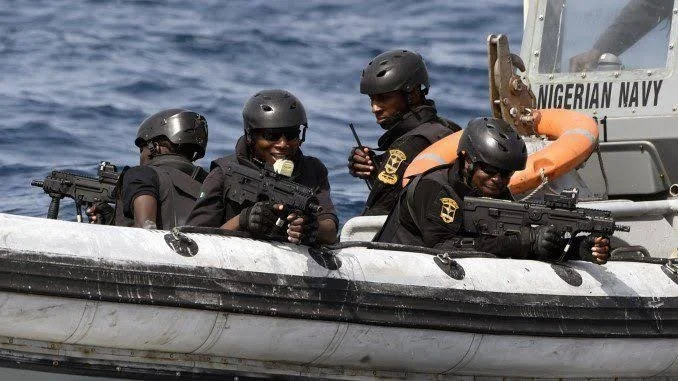
Illegal Oil Refining Operations Face Renewed Pressure From Navy
The Nigerian Navy has dismantled a reconstructed illegal refinery in the Niger Delta as part of ongoing operations aimed at combating crude oil theft, pipeline vandalism and environmental degradation across Nigeria’s oil-producing region. The operation forms part of broader security efforts to disrupt illegal refining networks that continue to affect national oil production and government revenue.
/ You Might Also Like /




According to naval authorities, the illegal refinery had previously been destroyed during earlier enforcement operations but was later rebuilt by suspected operators. Security personnel discovered the site during routine anti-crude oil theft patrols within the Niger Delta waterways
Navy Intensifies Anti-Oil Theft Operations
The Nigerian Navy stated that the operation was conducted under ongoing maritime security initiatives targeting illegal bunkering and unauthorised refining activities. Officials noted that the reconstructed facility contained equipment used for the illegal processing of stolen crude oil into refined petroleum products.
Security operatives reportedly dismantled storage facilities, metal tanks, ovens, reservoirs and connected equipment used for refining operations. Suspected illegally refined petroleum products recovered from the site were also confiscated or destroyed in accordance with operational guidelines.
The Navy explained that anti-oil theft operations remain critical to protecting Nigeria’s energy infrastructure and stabilising crude oil production levels.
Illegal Refining Continues to Threaten Oil Production
Illegal refining and crude oil theft remain major challenges within Nigeria’s petroleum sector, particularly in the Niger Delta where extensive pipeline networks and difficult terrain have enabled illicit operations to expand over the years.
Industry analysts estimate that Nigeria loses hundreds of thousands of barrels of crude oil daily to theft, pipeline vandalism and illegal bunkering activities. These losses continue to affect government revenue, export earnings and foreign exchange inflows.
The federal government has repeatedly identified crude oil theft as one of the primary obstacles limiting Nigeria’s ability to fully meet Organisation of the Petroleum Exporting Countries (OPEC) production quotas.
Environmental and Economic Costs Remain Significant
Security experts and environmental groups continue to warn that illegal refining operations contribute heavily to environmental pollution across the Niger Delta. The refining process often involves crude methods that release toxic substances into surrounding rivers, farmlands and communities.
Oil spills, soot emissions and the destruction of mangrove ecosystems have intensified environmental concerns in several oil-producing states. Public health experts also link prolonged exposure to pollutants from illegal refining sites to respiratory illnesses and long-term environmental damage.
Beyond environmental impacts, illegal refining operations reduce government oil revenues and discourage investment within the petroleum sector by increasing operational risks for energy companies.
Government Expands Security Measures Across Oil Infrastructure
The latest operation aligns with broader federal efforts to strengthen surveillance and security across Nigeria’s oil infrastructure network. Authorities have increasingly deployed naval patrols, aerial surveillance systems, private security contractors and community engagement programmes to reduce crude oil theft activities.
The Nigerian Navy said anti-bunkering operations would continue across strategic waterways and coastal areas to prevent the re-establishment of dismantled refining sites. Officials also urged local communities to cooperate with security agencies by providing intelligence on illegal activities.
Outlook for Nigeria’s Oil Security Efforts
While recent security operations have contributed to modest improvements in crude oil production, analysts note that illegal refining networks remain deeply entrenched due to economic hardship, unemployment and long-standing governance challenges within the Niger Delta.
Industry observers argue that sustainable progress will require stronger economic development initiatives, environmental remediation and improved community engagement alongside continued security enforcement.
As Nigeria seeks to increase oil output, strengthen fiscal revenues and stabilise energy exports, the effectiveness of anti-crude oil theft operations will remain central to the country’s broader energy security and economic recovery strategy.
READ MORE