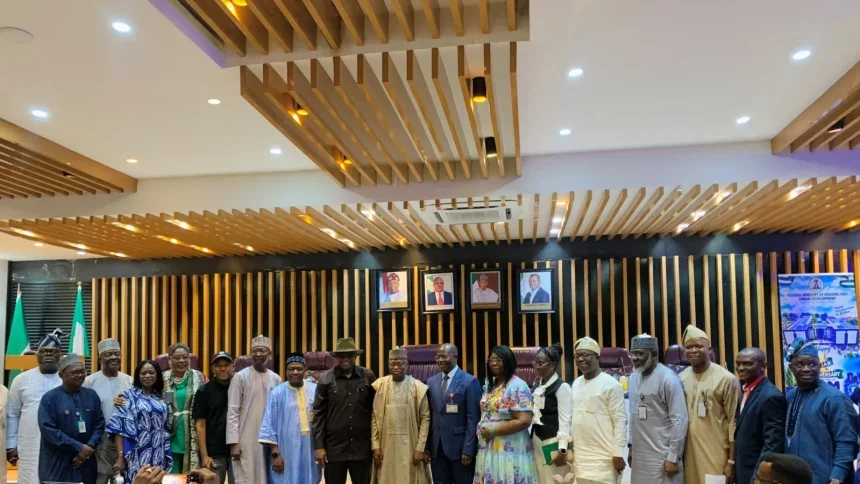
FMBN Pushes Expanded Housing Finance to Increase Homeownership in Nigeria
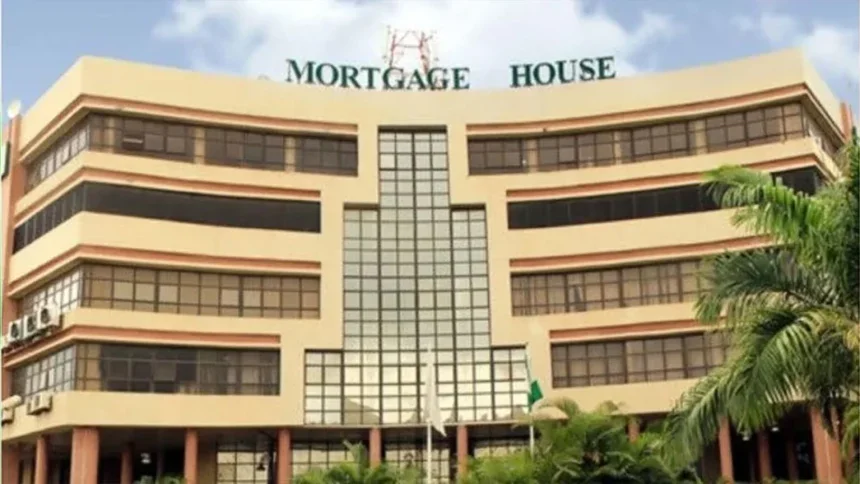
Nigeria’s Housing Finance Gap Spurs New FMBN Reform Push
The Federal Mortgage Bank of Nigeria (FMBN) is intensifying efforts to expand housing finance access as part of broader initiatives aimed at increasing homeownership and reducing Nigeria’s housing deficit. The bank says stronger mortgage accessibility, innovative financing structures and increased institutional funding are essential to addressing long-standing affordability challenges within the country’s housing sector.
/ You Might Also Like /




According to FMBN officials, the institution is pursuing multiple reforms designed to improve mortgage penetration, strengthen liquidity and make homeownership more accessible to low- and middle-income Nigerians. These initiatives include recapitalisation plans, expanded mortgage products, digital service improvements and partnerships with developers and financial institutions.
FMBN Targets Larger Capital Base to Expand Mortgage Lending
One of the bank’s major priorities involves increasing its capital base to strengthen long-term housing finance capacity. FMBN Managing Director Shehu Osidi recently disclosed that the institution is targeting a recapitalisation programme valued at approximately ₦750 billion to support expanded mortgage financing nationwide.
According to the bank, its current paid-up capital remains insufficient relative to the scale of Nigeria’s housing demand and growing urban population. Officials stated that stronger capitalisation would allow the institution to provide more affordable mortgages, support housing construction and strengthen partnerships with Primary Mortgage Banks and private developers.
The recapitalisation effort forms part of broader government plans to deepen Nigeria’s mortgage finance market and improve access to long-term housing credit.
Housing Affordability Remains Major Challenge
Despite recent reforms, affordability continues to limit homeownership opportunities for millions of Nigerians. Industry stakeholders note that high inflation, elevated construction costs and rising interest rates have made conventional mortgage financing increasingly inaccessible for many households.
Speaking at an industry event, housing officials acknowledged that affordability remains the biggest obstacle facing prospective homeowners, even where housing units are available. The Federal Ministry of Housing and Urban Development has therefore urged FMBN to introduce more innovative and flexible financing models capable of reflecting household income realities.
Proposed measures include income-based repayment structures, subsidised mortgage schemes, interest rate support programmes and specialised products targeting informal sector workers who remain largely excluded from traditional mortgage systems.
Mortgage Reforms Aim to Improve Access
FMBN has already introduced several policy adjustments intended to widen access to mortgage finance. Previous reforms included raising the National Housing Fund (NHF) mortgage ceiling from ₦15 million to ₦50 million to accommodate rising property values and construction costs.
The bank has also expanded rent-to-own schemes, home renovation loans and construction finance facilities targeted at improving housing delivery across different income segments. According to recent reports, FMBN recorded ₦152.4 billion in NHF collections in 2025, representing a 48% increase compared to the previous year.
Officials say digital transformation initiatives, including online registration systems and USSD-based services, are helping to improve transparency, transaction speed and customer access to mortgage-related services.
Diaspora Mortgage Products Gain Attention
The bank is also increasingly focusing on diaspora-backed mortgage financing as a potential source of long-term housing capital and foreign exchange inflows. Through its Diaspora Mortgage Loan initiative developed in collaboration with the Nigerians in Diaspora Commission (NiDCOM), FMBN aims to provide Nigerians abroad with structured access to homeownership opportunities in Nigeria.
Industry analysts note that diaspora financing could help improve liquidity within the housing market while supporting large-scale residential developments. However, some property experts caution that diaspora-led investments may focus more heavily on high-value investment properties than mass affordable housing solutions.
Housing Sector Seen as Key Economic Driver
Analysts continue to identify housing and construction as strategic sectors capable of supporting employment, infrastructure development and economic growth. Nigeria’s housing deficit, estimated in the millions of units, continues to create substantial demand for expanded financing and large-scale residential development.
Stakeholders argue that stronger mortgage systems could stimulate construction activity, deepen financial inclusion and increase private-sector participation across the real estate value chain.
At the same time, experts stress that broader reforms involving land administration, foreclosure laws, infrastructure provision and macroeconomic stability remain necessary to support sustainable mortgage market growth.
Outlook for Nigeria’s Housing Finance Market
As Nigeria’s urban population continues to expand, pressure on the housing sector is expected to intensify. Industry observers believe that expanded housing finance access, stronger institutional funding and innovative mortgage products will remain critical to improving homeownership rates nationwide.
For policymakers, the challenge will involve balancing affordability, financial sustainability and large-scale housing delivery while strengthening investor confidence within the mortgage finance ecosystem. For FMBN, ongoing reforms may determine how effectively the institution can support Nigeria’s long-term housing development objectives.
READ MORE