Nigeria’s Retail Sector Shifts as Mall Sales Rise Despite Economic Pressure

Nigeria’s Retail Industry Adapts to Inflation and Changing Consumer Behaviour
Nigeria’s retail sector is experiencing a significant structural transformation as organised retail and shopping mall activity continue to expand despite inflationary pressures and broader economic uncertainty. Industry stakeholders say evolving consumer behaviour, urbanisation and changing spending patterns are reshaping the country’s commercial property and retail landscape.
According to market analysts, shopping malls and formal retail outlets are recording stronger consumer traffic and sales growth even as households face rising living costs, currency volatility and reduced purchasing power. The trend reflects growing consumer preference for structured retail environments offering convenience, product variety and integrated shopping experiences.
/ You Might Also Like /




Organised Retail Gains Market Share
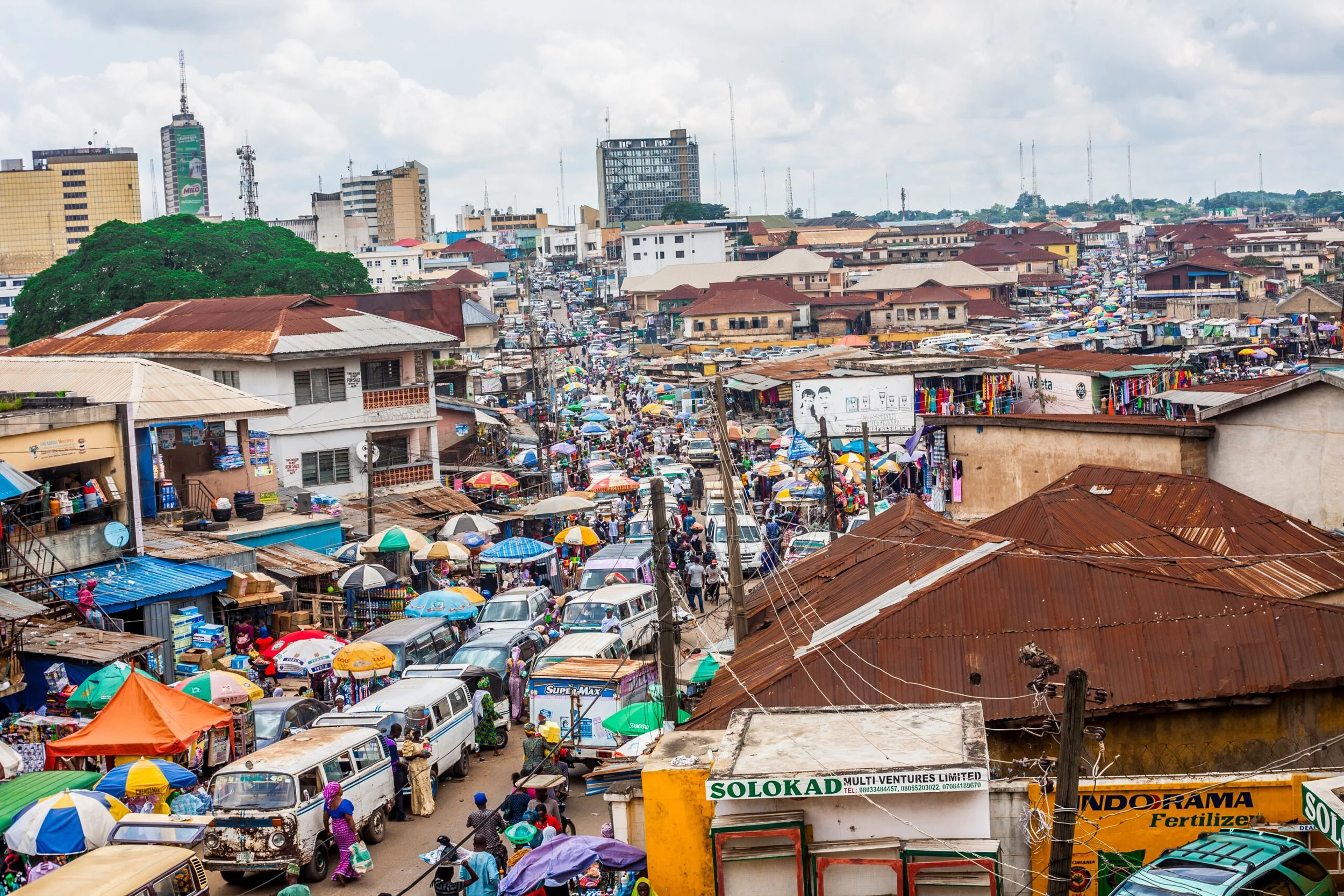
Analysts note that Nigeria’s retail market is gradually shifting from predominantly informal trading structures toward more organised retail systems driven by shopping malls, supermarkets and branded commercial centres.
Large urban centres including Lagos, Abuja and Port Harcourt continue to witness increased investment in retail real estate as developers respond to rising demand for modern commercial spaces. Industry experts say organised retail environments increasingly attract middle-income consumers seeking improved shopping experiences, stronger security and more reliable product access.
The growth of mall-based retail has also encouraged expansion by local and international brands seeking greater visibility within Nigeria’s evolving consumer market.
Inflation and Economic Pressures Continue to Affect Consumers
Despite growth within organised retail, Nigeria’s broader consumer market remains under pressure from inflation, currency depreciation and rising energy costs. Analysts say many households continue to prioritise essential spending as food prices, transportation costs and utility expenses increase nationwide.
Retail operators have therefore adjusted business strategies to reflect changing purchasing behaviour. Some businesses now focus more heavily on smaller package sizes, promotional pricing and value-based offerings aimed at maintaining customer demand under tighter economic conditions.
Industry observers note that while discretionary spending remains constrained, consumers increasingly favour retail environments that combine affordability, convenience and reliable product availability.
Retail Real Estate Sector Shows Resilience
The continued expansion of shopping malls and formal retail outlets highlights the resilience of Nigeria’s commercial property sector despite broader macroeconomic challenges. Analysts say demand for strategically located retail assets remains relatively stable due to urban population growth and the long-term expansion of Nigeria’s consumer market.
Developers are increasingly integrating mixed-use concepts combining retail, residential, office and entertainment facilities within large urban projects. This approach is designed to diversify revenue streams while improving foot traffic and occupancy performance.
Industry stakeholders also point to growing investor interest in retail-focused real estate developments, particularly in high-density urban corridors with strong consumer activity.
Technology and Consumer Trends Drive Market Changes
Digital transformation is also reshaping Nigeria’s retail sector as online commerce, mobile payments and technology-enabled logistics continue to expand. Retailers increasingly combine physical store networks with e-commerce platforms to improve customer reach and operational efficiency.
Analysts note that younger consumers are driving demand for integrated shopping experiences that blend convenience, entertainment and digital accessibility. This trend has encouraged mall operators and retailers to invest in improved customer engagement strategies, payment systems and delivery infrastructure.
At the same time, formal retail operators continue to compete with Nigeria’s large informal market, which remains dominant across many product categories and regions.
Commercial Property Sector Faces Rising Operating Costs
While mall sales and organised retail activity continue to grow, developers and retail operators still face rising operational expenses linked to energy costs, imported inventory, foreign exchange pressures and infrastructure limitations.
Diesel-dependent power generation remains a major cost burden for many shopping centres and commercial facilities due to inconsistent electricity supply. Security, logistics and facility management costs have also increased significantly over the past year.
Industry experts warn that sustained inflationary pressures could affect tenant profitability and consumer spending capacity if broader macroeconomic conditions fail to stabilise.
Outlook for Nigeria’s Retail and Commercial Property Market
Despite current economic pressures, analysts remain optimistic about the long-term growth potential of Nigeria’s retail sector due to rapid urbanisation, demographic expansion and rising formalisation within the economy.
The continued shift toward organised retail may strengthen commercial real estate investment, improve modern retail infrastructure and attract additional institutional participation within Nigeria’s property market.
For developers and investors, the sector’s future growth will likely depend on consumer purchasing power, infrastructure improvements, energy stability and broader economic recovery trends. (housingtvafrica.com)
READ MORE