Kano Develops Over 5,000 Housing Units Across 36 LGAs
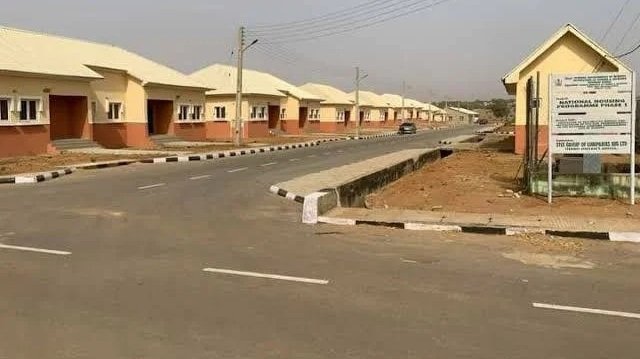
Kano expands housing development across 36 LGAs
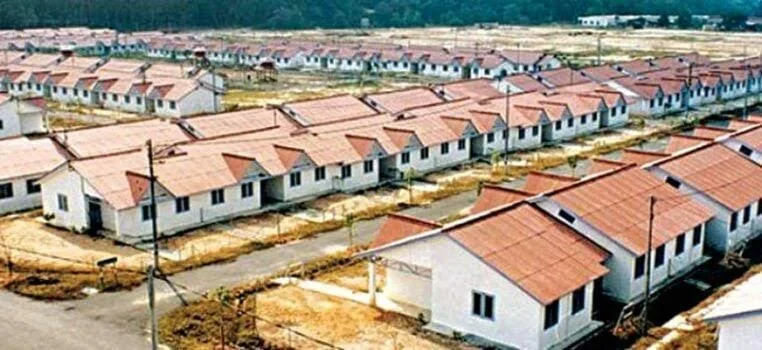
The Kano State Government says more than 5,000 housing units are currently in progress across the state’s 36 local government areas as part of a wider housing and urban development programme.
The programme, being coordinated by the Kano State Ministry of Housing Development, comprises 22 housing and related development projects, including new residential schemes, rehabilitation of existing estates and infrastructure development. The initiative is also designed to extend housing investment beyond Kano metropolis and support development in other parts of the state.
/ You Might Also Like /

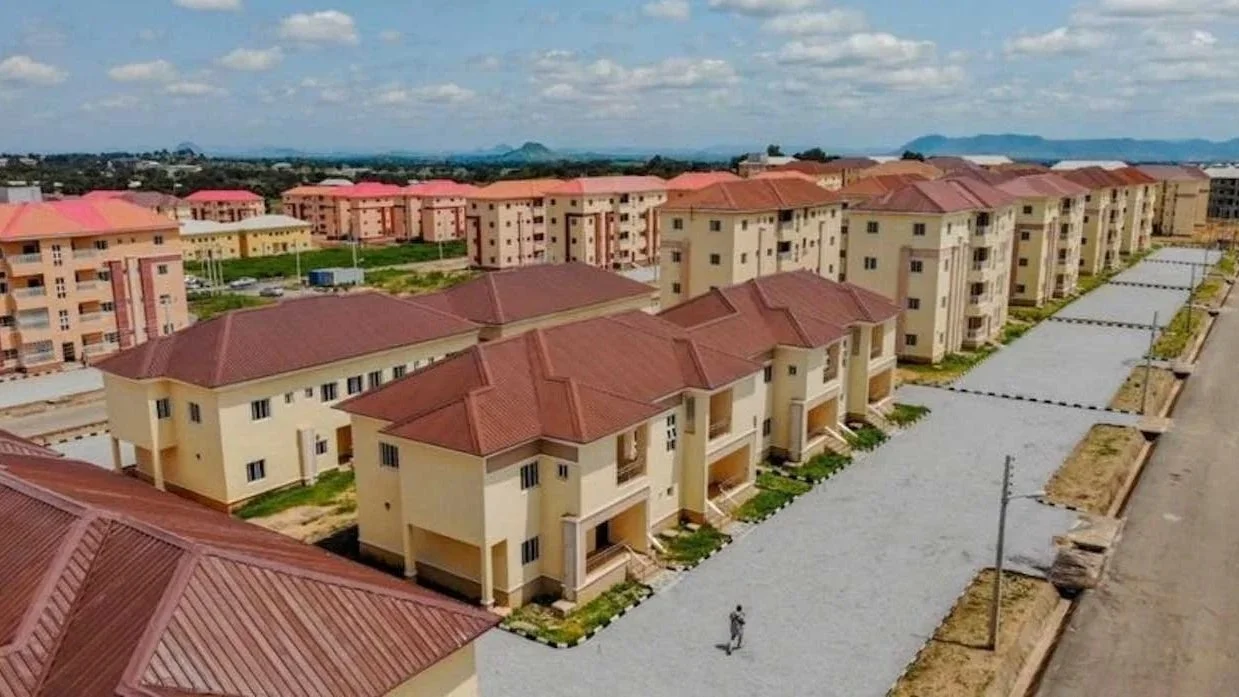

Housing Development Extends Across 36 Local Government Areas
According to the programme’s account, the housing component includes affordable housing intended for low- and middle-income households, civil servants and vulnerable residents.
The state is also rehabilitating existing housing schemes, including Kwankwasiyya, Amana and Bandirawo mega cities, as well as the Gida-Gida Mega City.
Separately, the Kano Government announced in November 2025 that it had approved 50 low-cost housing estates across the 36 local government areas outside the state capital, with access roads, electricity and water supply planned as part of the developments.
More recent reporting by Blueprint indicates that the government is planning 50 housing units in each of the 36 LGAs outside the state capital, giving a total of 1,800 units under that particular programme. The proposed housing types include three- and five-bedroom terraced houses and five-bedroom duplexes.
These figures indicate that Kano’s broader housing programme consists of several projects and should not be treated as a single 5,000-unit development.
Infrastructure Integrated With Housing Development
The state government says it is linking new housing layouts with supporting infrastructure rather than developing residential buildings in isolation.
Housing TV Africa reported that more than 100 kilometres of roads have been developed within the new layouts, while the wider programme is credited with generating more than 10,000 direct and indirect jobs. These figures originate from the programme’s promoters and have not been independently verified in the report.
Infrastructure provision is significant for the viability of housing schemes, particularly in locations outside established urban centres. Roads, water supply, electricity and drainage can determine whether newly developed estates function as sustainable communities or remain isolated residential projects.
For developers, improved infrastructure can also make peripheral locations more viable by reducing access constraints and supporting the development of surrounding commercial and residential activities.
Gida-Gida and Other Housing Projects
One of the projects highlighted in recent reporting is the Gida-Gida Mega Housing City in Dawakin Kudu Local Government Area, where 480 housing units are reportedly under construction.
The development includes five-bedroom duplexes as well as three- and five-bedroom terraced houses, alongside infrastructure and other facilities.
The programme also includes the rehabilitation of established estates and the proposed development of rural model cities across the state's 36 local government areas.
The broader portfolio extends beyond residential buildings to institutional and public infrastructure, including a new headquarters for the Kano State Housing Corporation at Kwankwasiyya City and other public facilities.
Potential Impact on Kano's Property Market
A wider distribution of housing investment could influence the spatial pattern of Kano's property market.
Much of the state's urban development has historically been concentrated around Kano metropolis. Extending housing projects into other local government areas could encourage new residential corridors and increase demand for supporting services, retail activity, transport connections and community infrastructure.
If infrastructure is delivered alongside the housing schemes, previously less-developed areas could become more attractive to households and developers.
However, the effect on property values and private investment will depend on factors including accessibility, infrastructure quality, security, employment opportunities and the affordability of the completed homes.
Affordability Remains Critical
The scale of a housing programme does not by itself determine how much impact it has on the housing market.
For the units to contribute meaningfully to housing affordability, the final selling prices, financing arrangements, eligibility requirements and payment structures will be important.
The Housing TV Africa report also noted that information on project costs, construction timelines, financing arrangements and beneficiary allocation would be necessary for residents and stakeholders to properly assess the programme's long-term results.
This is particularly important for low- and middle-income households, who may remain unable to purchase new homes if financing costs and upfront payments are beyond their income levels.
Housing Expansion Could Ease Pressure on Kano Metropolis
The state government's strategy of distributing housing development across the 36 LGAs is also intended to reduce population pressure on Kano metropolis.
New residential communities outside the core urban area can support more balanced spatial development when they are accompanied by roads, utilities, employment opportunities, schools, healthcare facilities and reliable transport connections.
For Kano's property market, the long-term significance of the programme will therefore depend not only on the number of houses constructed, but also on whether the projects develop into functioning communities with adequate infrastructure and economic activity.
The reported 5,000-plus units represent a significant housing pipeline, but completion, affordability, infrastructure delivery and transparent allocation will ultimately determine the programme's impact on Kano's housing supply.
READ MORE