Abuja Tenants Face Rising Rents and Agency Fees as Housing Costs Climb
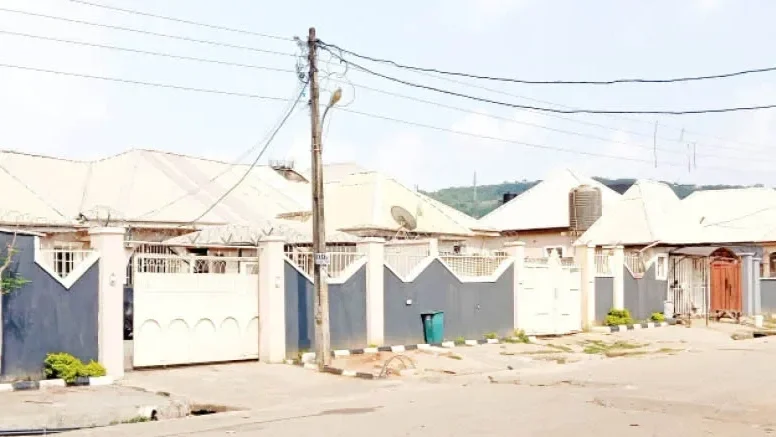
Rising housing costs pressure Abuja tenants
Tenants across the Federal Capital Territory are facing rising accommodation costs as higher rents, agency and agreement fees, utility expenses and transportation costs increase the financial burden of securing and maintaining housing. Residents interviewed in Abuja attributed the pressure to a combination of inflation, higher construction costs and additional charges associated with renting property.
/ You Might Also Like /

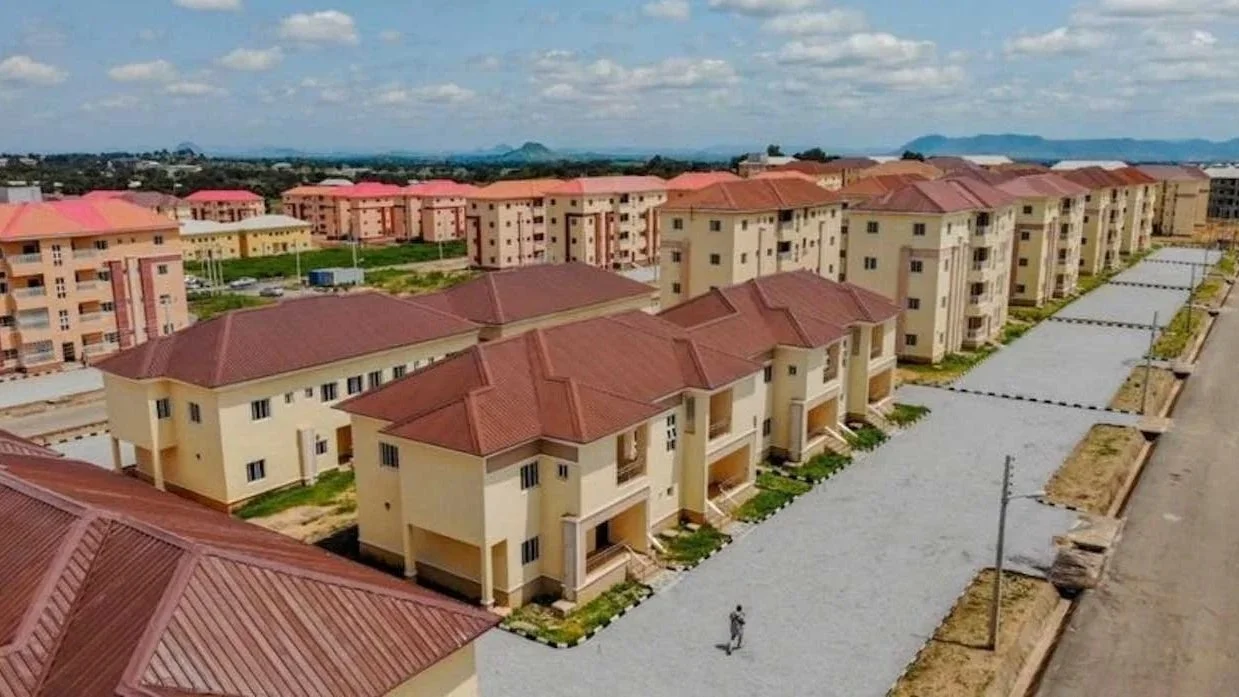

The situation highlights the growing affordability challenge in Abuja's rental market, where households must increasingly balance accommodation costs against transportation, utilities, food and other essential expenses. While some tenants have blamed property agents for excessive charges, landlords and other residents point to higher construction and household costs as major factors behind rent increases.
Rising Rent Adds to Abuja’s Housing Burden
Some Abuja residents reported paying significantly more for accommodation than they would have paid for comparable properties a few years ago.
A Gwarinpa resident, Matthew Mike, told Housing TV Africa that he paid ₦2.3 million as a total package for a studio apartment. He said the amount was almost four times what he would have paid for similar accommodation two or three years earlier.
Another resident, Philip Ngbewe, said he paid about ₦2 million for rent alone, excluding additional charges.
The experiences illustrate how the upfront cost of securing accommodation can extend well beyond the advertised annual rent. Agency and agreement fees, caution deposits and other expenses can significantly increase the amount a prospective tenant needs before moving into a property.
For households with limited disposable income, these upfront costs can create a substantial barrier to accessing suitable accommodation.
Agency and Agreement Fees Increase Upfront Costs
Tenants interviewed in the report expressed particular concern about charges imposed by property agents.
Some residents called for greater oversight of estate agents, including limits on commissions, mandatory registration and sanctions for agents who impose excessive or repeated charges.
Mike also called for an end to repeated inspection and “finder's” fees, arguing that such charges add to the financial burden on prospective tenants. Other residents similarly urged authorities to strengthen monitoring of property agents.
The concerns point to an important distinction within the rental market: the cost of housing is not determined solely by annual rent. Transaction costs associated with finding and securing a property can materially affect affordability, particularly for households already facing rising living expenses.
Greater transparency around agency charges could therefore help tenants understand the full cost of securing accommodation before committing to a property.
Tenants Move Further From Abuja City Centre
Some residents said lower rents are available farther from the city centre, but relocating to cheaper areas does not necessarily reduce overall household expenditure.
Ngbewe said tenants could find more affordable accommodation outside central Abuja, but higher transportation costs could offset part of the savings. He also raised concerns about commuting and security.
This highlights the relationship between housing costs and location.
A cheaper property can become less affordable when residents have to spend significantly more on daily transportation to workplaces, schools and other essential services. For Abuja, where residential development continues to expand towards peripheral districts, transport infrastructure and access to employment centres remain important components of housing affordability.
The issue also has implications for developers. Residential projects in peripheral locations may offer lower land and housing costs, but their attractiveness depends partly on connectivity, infrastructure and access to social and economic services.
Landlords Point to Rising Construction Costs
Not all respondents attributed higher rents primarily to property agents or landlords.
Some landlords and residents pointed to the wider increase in construction and household costs as a major factor.
Philip Ngenne said constructing a one-bedroom apartment in some parts of Abuja could cost as much as ₦10 million. Matthew Caleb similarly linked higher rents to the rising prices of building materials, goods and services.
Higher construction costs can affect rental markets in several ways. Developers may need higher rents to recover increased development and financing costs, while existing landlords may adjust rents to reflect rising maintenance, repair and replacement expenses.
However, higher development costs do not automatically justify every rent increase. Rental prices ultimately depend on market conditions, location, property quality, vacancy levels, household purchasing power and demand.
Rising Costs Create Pressure for Developers and Investors
The rental affordability problem also presents a challenge for property investors.
Investors must balance the need to generate adequate returns against the ability of households to pay. If rents rise faster than incomes, demand for high-cost properties can weaken while tenants increasingly seek smaller units, shared accommodation or locations farther from major employment centres.
This can encourage developers to reconsider unit sizes, construction specifications and locations in order to reach a broader segment of the rental market.
For Abuja, the challenge is particularly relevant as population growth and expanding economic activity continue to generate demand for residential accommodation. Increasing supply remains important, but the type and price of housing delivered will determine how effectively new developments address affordability.
Tenants Have Legal Protections
The report also highlighted the legal obligations governing landlord-tenant relationships.
A lawyer, Aondongu Reuben Angi, advised tenants to carefully review tenancy agreements before making payments or accepting contractual obligations. He said there is no general fixed limit on how frequently a landlord can review rent because rental prices respond to economic conditions, but landlords must comply with applicable notice requirements and the terms of the tenancy agreement.
Angi also said landlords cannot forcibly remove tenants from properties. Where possession must be recovered, landlords are required to follow the applicable legal process rather than taking unilateral action.
The advice reinforces the importance of written tenancy agreements that clearly establish rent, renewal terms, notice requirements, responsibilities for repairs and other material obligations.
Regulation and Housing Supply Remain Important
The concerns raised by Abuja tenants point to two interconnected issues: the immediate cost of renting a property and the broader shortage of affordable housing options.
Stronger oversight of property agents could improve transparency and reduce questionable charges, but regulation alone cannot resolve the underlying affordability challenge.
Increasing the supply of well-located rental housing, reducing development constraints and improving infrastructure could help expand the range of properties available to households across different income levels.
At the same time, developers and investors need an operating environment that allows them to recover construction, financing and maintenance costs while delivering housing at prices the market can support.
Outlook for Abuja’s Rental Market
The rising cost of rent and associated charges is putting additional pressure on Abuja households at a time when construction and living costs remain elevated.
For tenants, the issue extends beyond the annual rent to the total cost of securing and occupying a home, including agency fees, utilities and transportation. For landlords and developers, higher construction and operating expenses continue to influence the economics of residential property.
The longer-term response will require a combination of greater transparency in rental transactions, effective regulation of property agents, stronger tenant awareness and increased delivery of housing that matches the purchasing power of Abuja's growing population.
For investors and policymakers, the central challenge is to expand rental housing supply without allowing rising development costs and transaction charges to push an increasing share of households beyond the formal housing market.
READ MORE