Kebbe Council Assists 150 Households Displaced by Banditry
Relief reaches displaced households in Kebbe
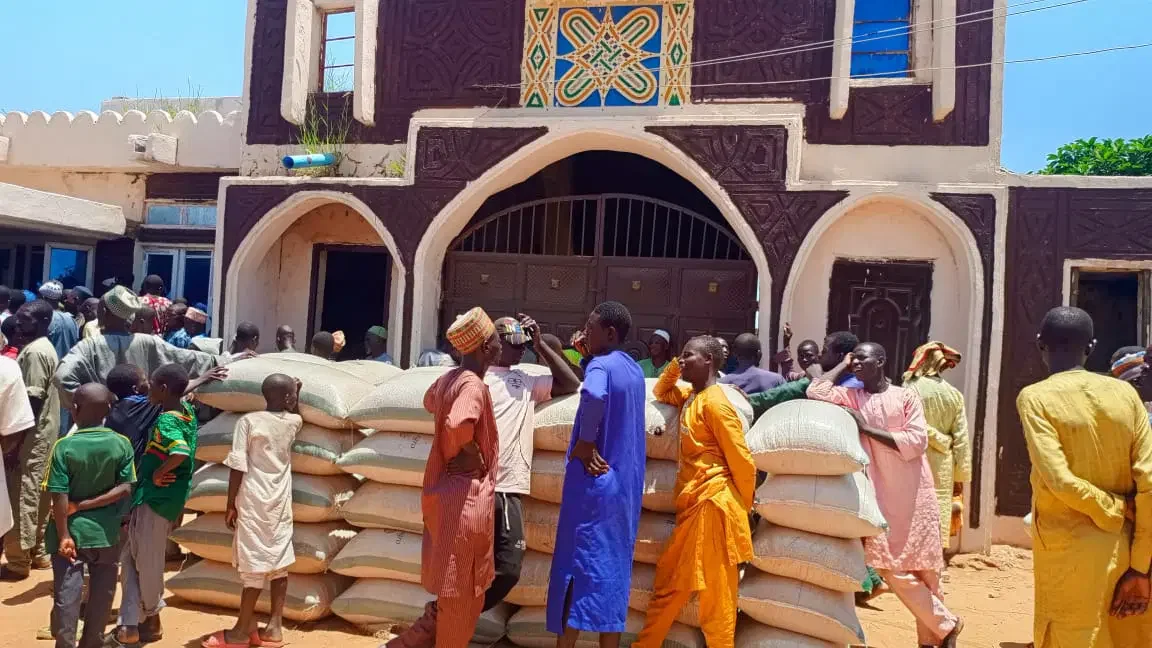
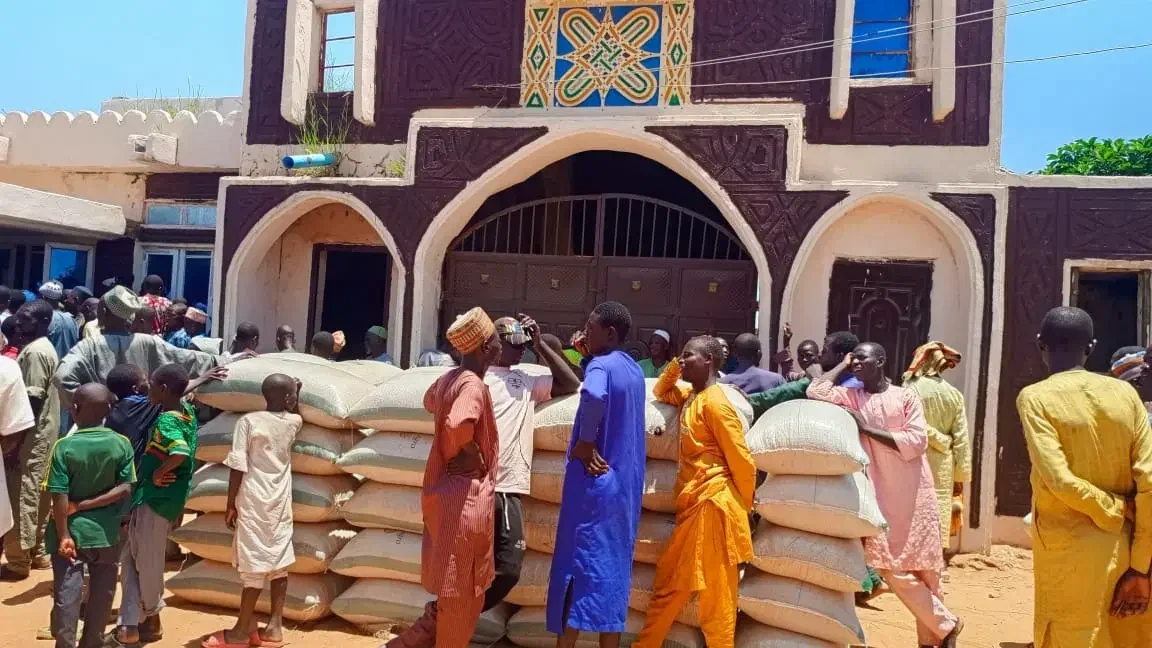
Kebbe Local Government Area of Sokoto State has provided food items and cash assistance to 150 households displaced from their communities by bandit attacks, as the affected families await conditions that will allow them to return home.
/ You Might Also Like /


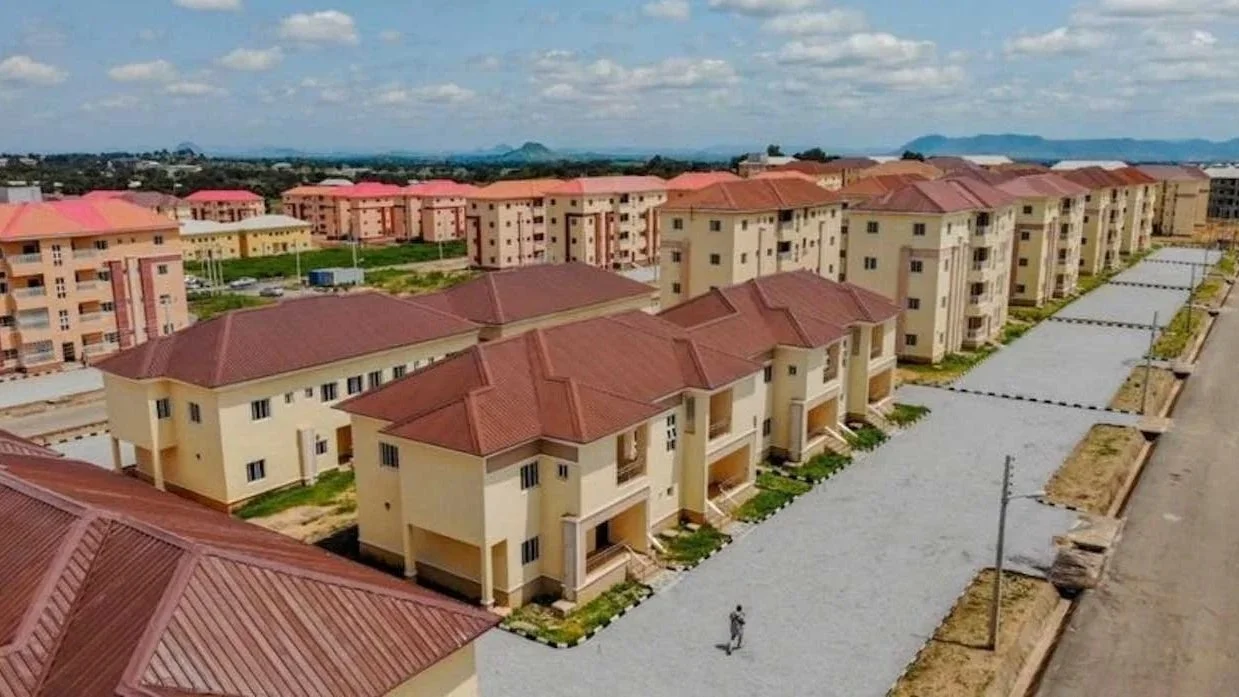

The beneficiaries were displaced from communities including Ungushi, Girkau, Margai, Kebbe East and Kebbe West and are currently taking refuge in Kebbe town. The intervention was carried out on Monday at the palace of the District Head of Kebbe.
Displaced Families Forced to Abandon Homes
According to the council chairman, Musa Garba Kuchi, the affected households were forced to leave their homes and livelihoods because of insecurity.
The assistance is intended to provide immediate relief while security conditions improve in their communities. Kuchi said the council would continue supporting displaced residents until they can safely return and rebuild their livelihoods.
The situation highlights the housing consequences of prolonged insecurity in rural communities. When households are forced to leave their homes, the impact extends beyond temporary shelter to the loss of livelihoods, community infrastructure and access to land.
Housing Recovery Depends on Safe Return
The council chairman said improved security operations had given some communities greater confidence about eventually returning home.
He also called for continued cooperation between government authorities, security agencies, traditional institutions and local communities to address banditry and its wider consequences.
For the housing sector, security is a fundamental condition for the recovery of affected communities. Residents are unlikely to rebuild homes, restore farms or invest in local businesses where they remain exposed to displacement.
The return of displaced households therefore requires more than security operations. It also requires the restoration of roads, water supply, electricity, schools, healthcare facilities and other basic infrastructure.
Displacement Creates Longer-Term Housing Pressure
Temporary displacement can place additional pressure on host communities as displaced families seek accommodation and basic services outside their original settlements.
In Kebbe town, the arrival of households from several affected communities creates an immediate need for adequate temporary accommodation and essential services. If displacement continues for an extended period, temporary arrangements can also evolve into longer-term housing needs.
This creates an important distinction between emergency relief and housing recovery. Food and cash assistance can address immediate hardship, but sustainable recovery requires households to regain secure access to their homes, land and livelihoods.
Rebuilding Will Require Infrastructure Investment
Once security conditions permit residents to return, rebuilding damaged or abandoned communities could require significant investment.
Housing reconstruction may need to be accompanied by repairs to roads, drainage systems, schools, health centres, electricity infrastructure and water facilities.
For government and development partners, coordinating these investments could help communities recover more quickly and reduce the risk of residents remaining dependent on temporary accommodation.
Restoring basic infrastructure can also support the return of economic activity by allowing farmers, traders and small businesses to resume operations.
Land and Livelihoods Remain Important
The displacement of households also affects access to land and livelihoods, particularly in rural communities where families depend heavily on agriculture.
Returning residents need confidence that they can safely access their homes and farmlands. Clear land rights and functioning local administration will also be important where prolonged displacement has disrupted property occupation.
For the wider property sector, sustained insecurity can discourage investment and limit transactions in affected areas. Conversely, improvements in security, infrastructure and economic activity can create conditions for gradual housing and property-market recovery.
Council Calls for Continued Support
Kuchi said the local government would continue humanitarian assistance until displaced residents can safely return to their communities.
The District Head of Kebbe, Lawal Labbo Margai, also urged those involved in distributing the assistance to ensure that food and financial support reaches genuine beneficiaries fairly and transparently.
The emphasis on transparency is particularly relevant where relief programmes target vulnerable households displaced by insecurity.
Security and Housing Recovery Are Closely Linked
The Kebbe situation illustrates how insecurity can disrupt housing stability, land use and local economic activity simultaneously.
The immediate priority for the affected households remains humanitarian support and safe return. However, longer-term recovery will depend on restoring the conditions that allow communities to function normally.
For Nigeria's housing market, the case reinforces the importance of treating security, infrastructure and housing as interconnected elements of community development. Where residents cannot safely occupy their homes or access their land, housing supply alone cannot guarantee functioning communities.
The recovery of the affected Kebbe communities will ultimately depend on sustained security and coordinated investment in housing, infrastructure and livelihoods.
READ MORE