Dangote Says Petrol Is Cheaper in Nigeria Than Neighbouring Countries

Dangote speaks on regional petrol prices
Petrol remains relatively cheaper in Nigeria than in some neighbouring countries, according to Dangote Industries President Aliko Dangote, who said the price difference is encouraging cross-border smuggling of fuel.
Dangote made the remarks during an interview with Arise Television on Tuesday, September 15, 2026, amid renewed concerns over rising petrol prices at filling stations. He said consumers in some neighbouring countries pay between 30 and 50 per cent more for petrol than Nigerians.
/ You Might Also Like /



Regional Price Differences Encourage Cross-Border Smuggling
Dangote said the price differential creates an economic incentive for traders to move petrol from Nigeria into neighbouring countries where it can be sold at higher prices.
He cited Niger Republic as an example, saying petrol there was about 20 to 25 per cent more expensive than Nigeria's domestic price of ₦1,350 per litre.
According to him, the difference makes it commercially attractive for traders to divert petrol intended for the Nigerian market to border communities for resale.
The comments come as Nigeria's downstream petroleum market adjusts to increased domestic refining capacity and changing regional fuel flows.
Petrol Prices Rise at Some Filling Stations
Dangote's comments followed reports of higher petrol prices at some filling stations, with prices reaching about ₦1,400 per litre in Lagos and ₦1,450 per litre in Abuja.
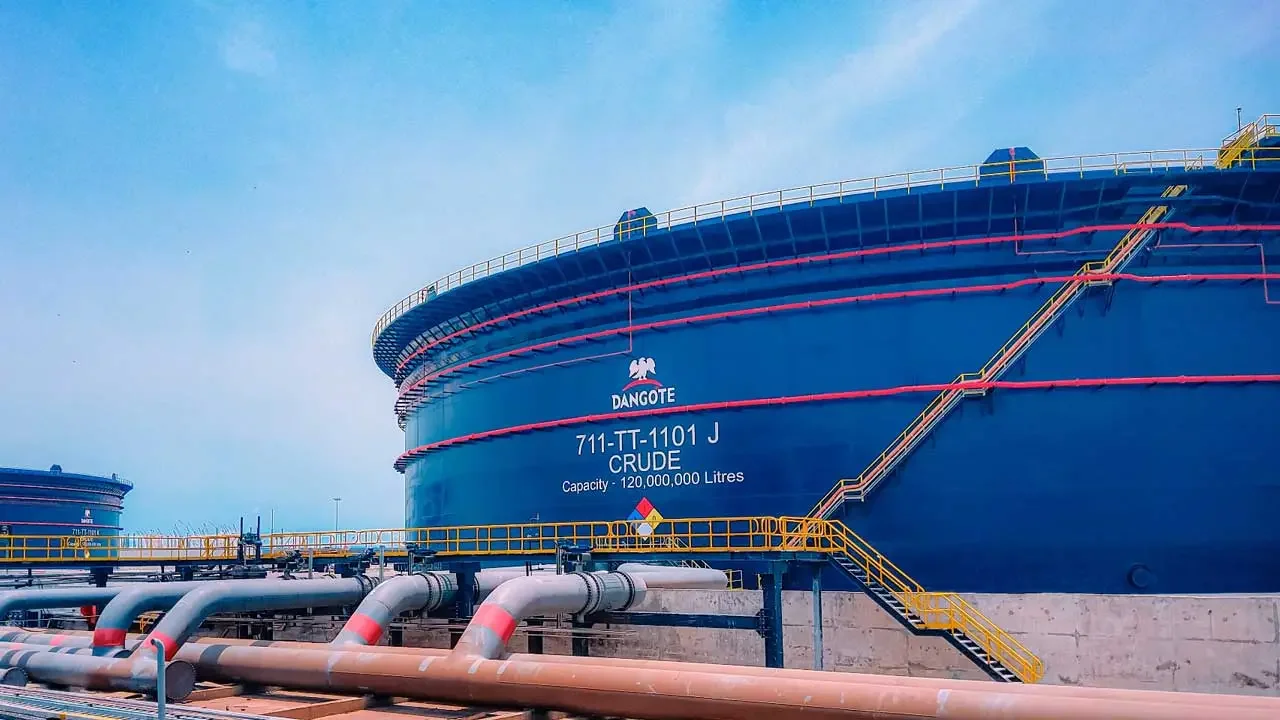
The refinery operator said its own supply to the domestic market would continue despite the market pressures, assuring consumers that there would be no shortage from its operations.
The comments do not mean that petrol prices are uniform across Nigeria, as retail prices can vary depending on location, distribution costs, supply conditions and individual filling-station pricing.
Global Crude Prices Still Affect Local Petrol Costs
Dangote also explained that domestic refining does not completely insulate Nigeria from international crude oil prices.
He said the refinery purchases crude at prevailing international market prices and had paid as much as $124 per barrel in May. This means that even with domestic refining, the cost of crude remains an important component of the economics of locally produced petrol.
This distinction is important for understanding why the expansion of domestic refining does not automatically translate into a fixed or consistently lower pump price.
The cost of crude, refinery operations, transportation, distribution and market conditions can all affect the eventual retail price.
Fuel Costs Have Wider Economic Implications
Changes in petrol prices affect considerably more than household transportation expenses.
Higher fuel costs can increase the cost of transporting goods, moving construction materials and operating businesses that rely on petrol-powered vehicles and equipment.
For the construction and property sectors, the effect can be significant. Developers and contractors depend on road transportation to move cement, steel, aggregates, blocks, fittings and other materials to project sites.
When logistics costs rise, overall development costs can also increase, potentially putting additional pressure on the prices of newly built homes and commercial properties.
Implications for Housing and Property Development
Fuel prices can also influence where households choose to live.
Higher transportation costs can make homes located far from employment centres more expensive to occupy, even where rents or purchase prices are lower.
This can increase the importance of accessibility when households assess housing options. Developers may also need to consider transport connections when evaluating new projects in peripheral or emerging communities.
For property investors, changes in energy and transportation costs form part of the wider operating environment affecting construction budgets, rental demand and the viability of developments in locations with weak transport infrastructure.
Electricity Costs Remain a Business Concern
Dangote also identified inadequate electricity supply as a major challenge for Nigerian businesses, alongside what he described as inconsistent government policies.
He said manufacturers face higher costs when they rely on alternative energy sources such as diesel, arguing that expensive self-generation makes domestic production more difficult.
The issue has direct relevance to construction and real estate because developers and contractors often require alternative power sources during construction, while completed estates and commercial properties may also face high energy costs where public electricity supply is unreliable.
Refinery Capacity and Domestic Supply
The comments come as Nigeria's domestic refining industry continues to expand.
Dangote assured consumers that his refinery would continue supplying the domestic market and said the facility would maintain deliveries despite the wider pressures affecting the petroleum market.
The increasing role of domestic refining could gradually change Nigeria's petroleum supply structure, but the effect on consumer prices will continue to depend on crude costs, market pricing, distribution networks and regional demand.
What the Price Gap Means for the Property Market
For Nigeria's housing and real estate market, the significance of the petrol-price debate extends beyond the price at the pump.
Fuel and transportation costs influence construction logistics, household commuting expenses and the cost of operating residential and commercial properties.
If fuel prices remain volatile, developers may face greater difficulty forecasting construction costs, while households could experience additional pressure on their overall housing budgets.
The regional price difference highlighted by Dangote also demonstrates how Nigeria's domestic fuel market is connected to neighbouring countries. As domestic refining capacity increases, managing cross-border flows and ensuring adequate supply to the domestic market will remain important factors in determining the wider economic impact of Nigeria's changing petroleum landscape.
READ MORE