Dangote Blames Petrol Smuggling for Nigeria’s High Fuel Prices

Dangote links fuel prices to smuggling
Dangote Industries President and Chief Executive Officer Aliko Dangote has attributed Nigeria’s high petrol prices largely to continued smuggling to neighbouring countries, where petrol sells at higher prices.
Dangote said the price difference between Nigeria and surrounding markets continues to create an incentive for cross-border fuel diversion, despite the increase in domestic petrol prices.
/ You Might Also Like /



Regional Price Differences Encourage Smuggling
According to Dangote, the continued price disparity between Nigeria and neighbouring countries makes petrol smuggling financially attractive.
The development highlights one of the challenges facing Nigeria’s downstream petroleum market as domestic refining capacity expands and the country seeks to reduce dependence on imported refined products.
Dangote Refinery has become a major supplier to the domestic market, while Nigeria has also recorded a substantial increase in refined petroleum exports. Nairametrics reported that Nigeria’s seaborne refined petroleum exports reached about 350,000 barrels per day in the second quarter of 2026, with shipments going to Europe, Africa, Asia and Oceania.
Fuel Costs Affect Wider Economic Activity
Changes in petrol prices have implications beyond the filling station because transportation and logistics costs feed into the prices of goods and services.
For the property and construction sectors, higher transport costs can increase the cost of moving cement, steel, blocks, aggregates, fittings and other building materials from manufacturers or distributors to project sites.
Developers operating outside major commercial centres can be particularly exposed to transportation costs because construction materials and equipment often have to travel longer distances.
Higher fuel costs can therefore add to project expenditure even when the underlying price of the building material itself remains unchanged.
Impact on Housing Development
Fuel prices can also affect the operating costs of construction companies, estate managers and property businesses.
Construction equipment, generators, delivery vehicles and other machinery depend heavily on petroleum products. Where fuel costs rise, developers may face higher expenses across several stages of a project, from transporting materials to operating machinery and providing power at construction sites.
These costs can eventually influence the pricing of new homes, rents and commercial properties, depending on market conditions and the extent to which developers can pass additional costs on to buyers and tenants.
Domestic Refining Is Changing Nigeria’s Fuel Market
The smuggling issue comes as Nigeria's domestic refining industry undergoes a significant shift.
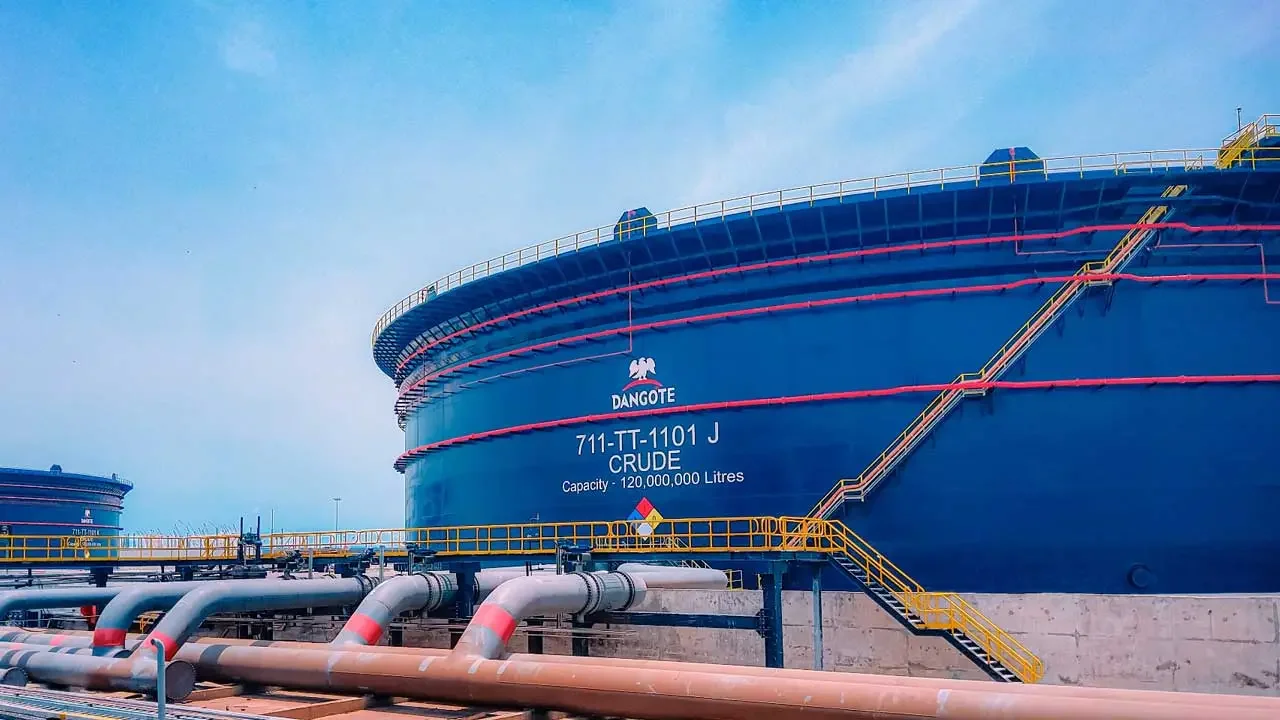
The Dangote refinery currently has a crude distillation capacity of 700,000 barrels per day following maintenance completed in February 2026. Rising domestic refining has contributed to increased petroleum-product shipments within Nigeria while also supporting exports.
Nairametrics also reported that petrol consumption declined by 25 per cent in July 2026, while petrol stock sufficiency increased from 19.7 days in June to 22.4 days in July. The Dangote refinery produced about 25.9 million litres of petrol per day during the month.
The developments indicate that the market is increasingly being shaped by domestic refining capacity, distribution networks, regional demand and pricing differences.
Distribution Costs Remain Important
Smuggling is not the only factor that can influence petrol prices.
The cost of transporting petroleum products, distribution margins, dealer margins, taxes, financing and other operating expenses also contribute to the final price paid by consumers.
Dangote Refinery previously warned that reliance on coastal logistics for distributing petrol could add about ₦75 per litre to costs, illustrating how transportation infrastructure can affect fuel pricing.
This makes efficient petroleum distribution particularly important as domestic refining capacity expands.
Implications for Real Estate and Construction
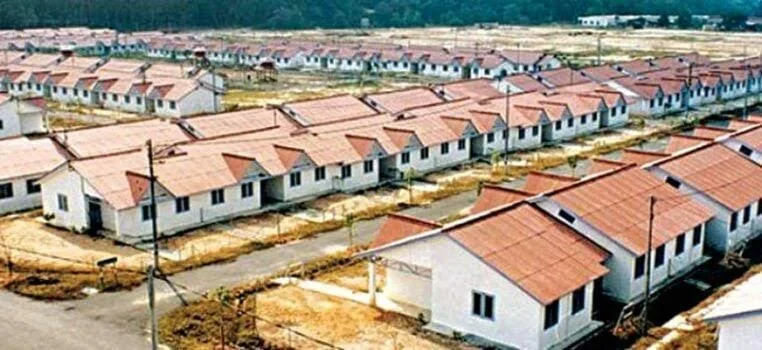
For Nigeria's housing market, sustained changes in petrol prices can influence both development costs and household affordability.
Higher transport and operating expenses can raise the cost of construction, while increased commuting costs can affect the affordability of homes located far from employment centres.
The relationship also works in the opposite direction. More efficient fuel distribution and stable petroleum prices could help developers manage logistics costs and improve cost predictability when planning new projects.
For investors and developers, fuel prices are therefore one of several operating-cost variables that can affect project feasibility, particularly for developments dependent on extensive road transportation and diesel or petrol-powered equipment.
Regional Fuel Markets Remain a Key Factor
The continued movement of petrol across Nigeria's borders demonstrates the importance of regional price differences in shaping fuel distribution.
As Nigeria expands domestic refining capacity, the balance between domestic consumption, exports and cross-border demand will remain important to the downstream petroleum market.
Dangote's comments therefore place petrol smuggling within a broader discussion about pricing, regional markets and the distribution of locally refined products.
For the property sector, the immediate concern is how changes in fuel and transportation costs feed into construction expenses, household budgets and the operating costs of residential and commercial developments.
READ MORE