Floods, Bad Roads Disrupt 3,000 Students in Anambra Community
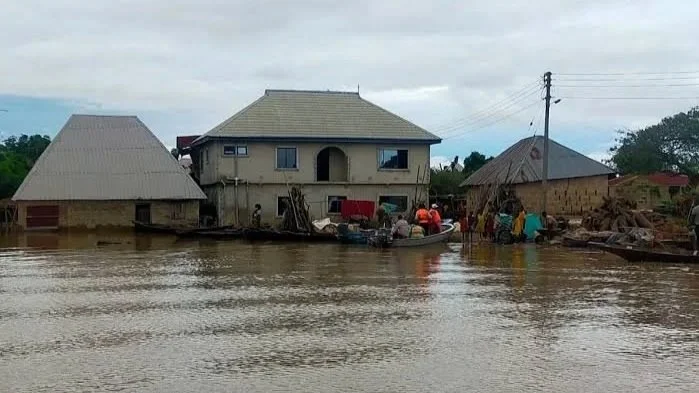
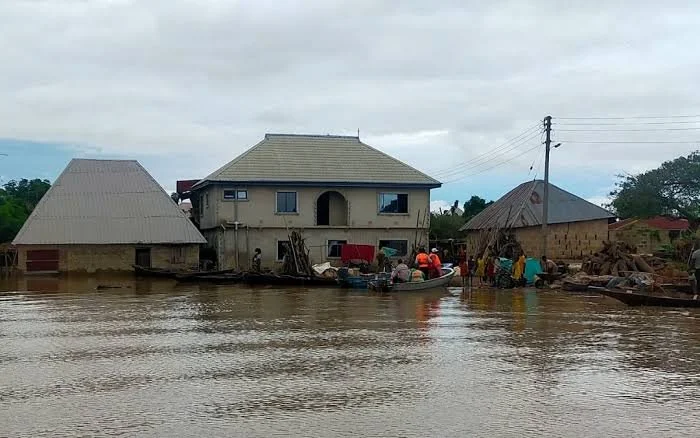
Flooding disrupts movement in Ifite-Awka
Recurring flooding and a deteriorating two-kilometre road are disrupting movement for about 3,000 students and residents in Ifite-Awka, Awka, Anambra State, raising concerns about access, safety and the condition of student accommodation in the growing community. Residents are calling for urgent road rehabilitation and improved drainage infrastructure to address the problem.
/ You Might Also Like /

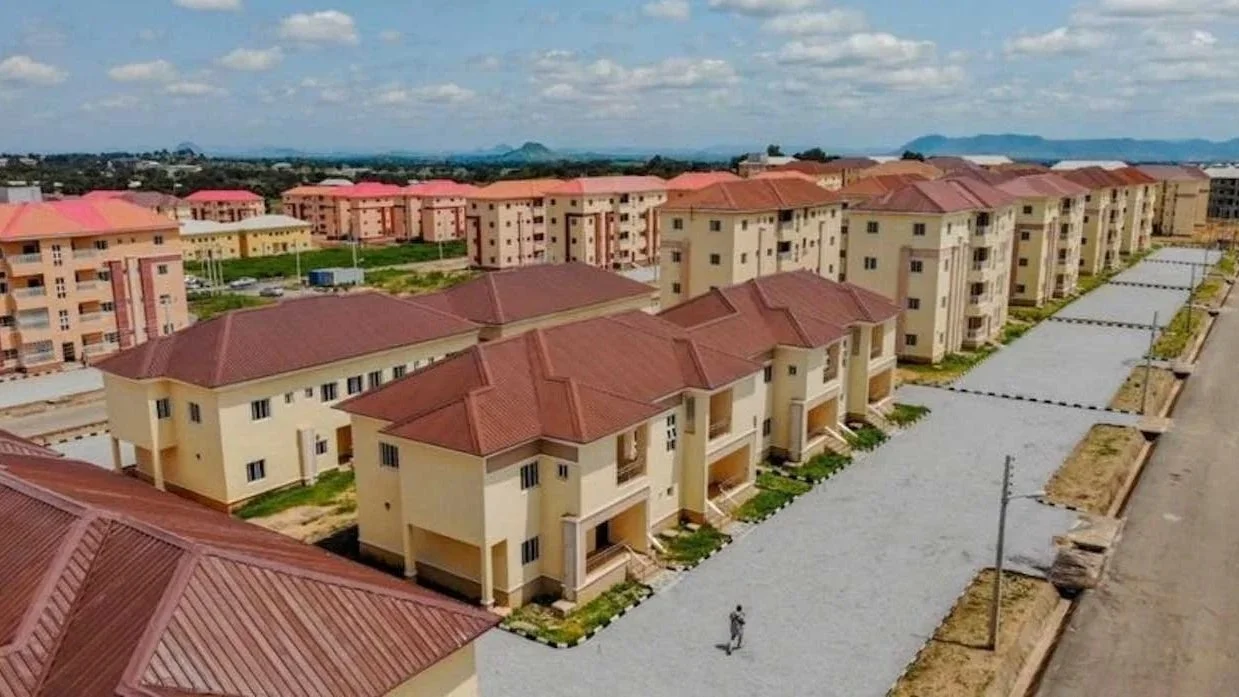

Oguguo Nebe Avenue, an unpaved road serving the community, reportedly becomes submerged during heavy rainfall. The road provides access to more than 40 hostels, most of them two- and three-storey buildings, as well as routes connecting the area to Mgbakwu, the College of Health Technology and communities towards Isuaniocha and Achalla.
Flooding Disrupts Access to Student Accommodation
The concentration of student accommodation along the road makes the infrastructure problem particularly significant for the local housing market.
According to the report, about 3,000 students live in more than 40 hostels along the affected corridor. During periods of heavy rainfall, flooding reportedly makes movement difficult for students, residents, workers and commuters.
A lecturer, Professor Ihejiraka, said the condition of the roads directly affects students during heavy rainfall, with movement to and from school becoming difficult when the area floods.
For landlords and operators of student accommodation, reliable access is an important part of the attractiveness and functionality of rental properties. Persistent flooding can affect occupancy, maintenance costs and the overall desirability of accommodation in an area.
Poor Drainage Worsens Flooding
Residents also identified blocked drainage channels as part of the problem.
According to the report, indiscriminate dumping of refuse has obstructed drainage channels, contributing to the overflow of floodwater onto the road.
The situation highlights the importance of treating drainage as an essential component of urban housing infrastructure rather than as a separate issue from road construction.
Where drainage systems cannot effectively handle stormwater, roads can deteriorate more rapidly while properties located along affected corridors face repeated exposure to flooding.
For growing communities such as Ifite-Awka, coordinated investment in roads, drainage and waste management will therefore be important as residential development expands.
Flooding Raises Safety Concerns
The latest concerns followed a heavy downpour that reportedly swept away an unidentified woman and a tricycle operator. The operator's body was reportedly recovered about 24 hours later from a ditch around Miracle Junction, according to the report.
The incident prompted commercial tricycle operators to protest the condition of the roads and recurring flooding.
Residents also said the deteriorating infrastructure has contributed to wider security concerns within the community.
The combination of flooding, poor road conditions and limited accessibility can create risks beyond transportation, particularly in communities with large populations of students and other residents who depend on public transport and pedestrian routes.
Infrastructure Gap Could Affect Local Property Development
The situation demonstrates how infrastructure deficiencies can undermine the development potential of otherwise active residential communities.
Student accommodation has become an important component of property markets around university towns and educational centres. Demand for hostels can support rental income and encourage private investment in residential development.
However, sustained demand alone cannot compensate for inadequate infrastructure.
Developers assessing student housing projects need to consider road access, drainage, flood exposure, electricity, water supply, waste management and proximity to educational institutions. These factors can influence both construction decisions and the long-term performance of rental properties.
Where public infrastructure fails to keep pace with population growth, private developments can also face higher maintenance costs and reduced attractiveness to prospective tenants.
Road Rehabilitation Could Support Housing Activity
Residents are calling for the rehabilitation of Oguguo Nebe Avenue and the construction of adequate drainage channels.
Improving the road would do more than ease movement. It could strengthen access to the hostels and surrounding communities, improve the reliability of transportation and create better conditions for businesses serving the student population.
Effective drainage would also reduce the frequency and severity of flooding, helping to protect roads, vehicles and properties from repeated water damage.
For the local property market, such improvements could support the continued use and development of student accommodation while making the area more attractive to residents and businesses.
Planning Must Keep Pace With Residential Growth
The situation also highlights the need for infrastructure planning to accompany residential development.
When communities experience rapid growth without corresponding investment in roads and drainage, existing infrastructure can become overwhelmed. This can eventually affect property values, rental demand and the willingness of investors to commit capital to new developments.
Government agencies, educational institutions, developers and local communities therefore have complementary roles in ensuring that expanding residential areas receive adequate infrastructure.
For developers, infrastructure conditions should form part of site-selection and investment assessments. For policymakers, the concentration of thousands of students and dozens of hostels along a poorly serviced road demonstrates the need to anticipate infrastructure requirements before development reaches critical levels.
Outlook
The flooding and road problems in Ifite-Awka show how infrastructure weaknesses can directly affect housing, education and economic activity within a growing community.
With about 3,000 students reportedly living along the affected corridor, the condition of Oguguo Nebe Avenue has implications beyond transportation. Improved roads, functional drainage and better waste management would provide a more reliable environment for residents, student accommodation operators and businesses.
As residential development continues around educational centres, ensuring that infrastructure keeps pace with population growth will remain critical to creating safe, accessible and sustainable housing communities.
READ MORE