Experts Urge Emergency Action as Rising Building Costs Deepen Nigeria's Housing Crisis
Nigeria's Housing Crisis Deepens as Building Costs Continue to Rise
Housing experts have called on the Federal Government to take urgent action to reduce the cost of building materials and housing production, warning that rising construction costs are making homeownership and rental accommodation increasingly unaffordable for millions of Nigerians.
/ You Might Also Like /

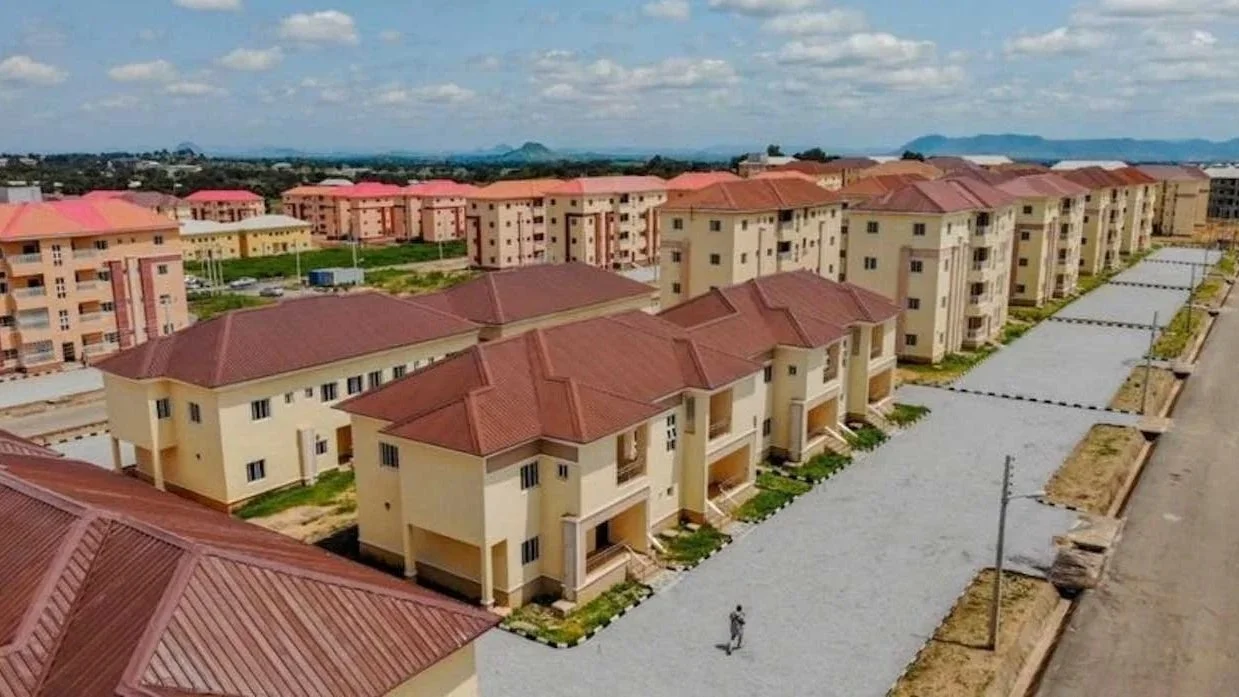

The call comes amid continued increases in the prices of cement, steel, roofing materials, labour and infrastructure development, which industry stakeholders say are placing significant pressure on housing delivery and contributing to the country's growing housing deficit.
Construction Costs at the Centre of Housing Challenge
Speaking on the state of Nigeria's housing sector, former President of the Real Estate Developers Association of Nigeria (REDAN), Dr Aliyu Wamakko, argued that the country's housing affordability challenge originates from the rising cost of housing production rather than rental pricing alone.
According to him, rent reflects the cumulative cost of acquiring land, purchasing construction materials, paying skilled labour, accessing finance and providing basic infrastructure. He stressed that any meaningful effort to improve housing affordability must address these underlying cost drivers instead of focusing solely on regulating rents.
Wamakko noted that prices of major construction inputs have risen sharply in recent years, making it increasingly difficult for developers to deliver affordable homes without passing higher costs to buyers and tenants.
Rising Material Prices Affect Housing Supply
Industry stakeholders say the sustained increase in building material prices has significantly affected the economics of residential development across Nigeria.
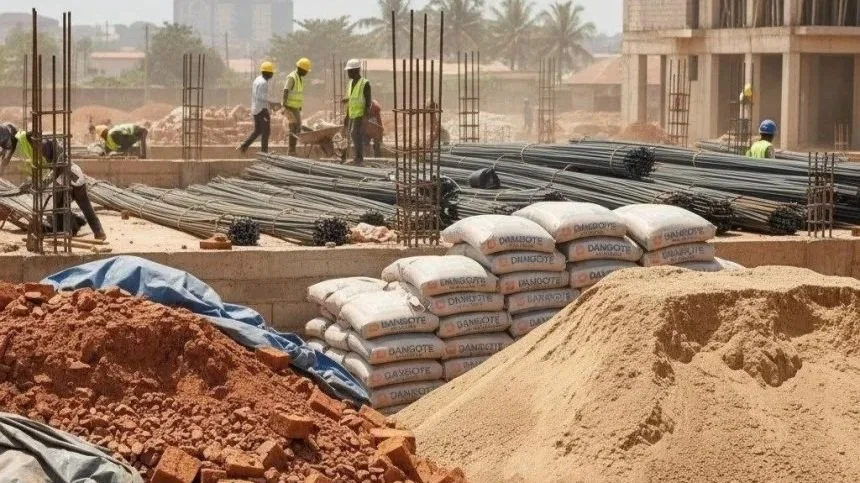
Cement prices have climbed to around ₦13,000 per bag in several parts of the country, while reinforcement steel, roofing sheets, plumbing materials, electrical fittings and finishing products have also recorded substantial increases. Labour costs have risen alongside inflation, with artisans charging considerably more than in previous years.
The combined effect has increased the overall cost of constructing new housing developments, forcing many developers to delay projects, scale back investment plans or adjust property prices to reflect higher production costs.
Analysts warn that slower housing delivery could further widen Nigeria's estimated housing deficit while limiting access to affordable accommodation for low- and middle-income households.
Calls for Policy Intervention
To reverse the trend, experts have urged the Federal Government to introduce targeted measures that reduce construction costs and stimulate housing supply.
Recommended interventions include policies to lower the cost of cement and other locally produced building materials, expand access to affordable long-term mortgage and development finance, strengthen domestic manufacturing of construction inputs, improve transport and energy infrastructure, and provide incentives that encourage private investment in affordable housing.
Stakeholders argue that reducing production costs would enable developers to build more homes at lower prices, ultimately improving affordability across both the owner-occupier and rental markets.
Existing Housing Programmes Should Be Expanded
Industry leaders also acknowledged ongoing government efforts to improve access to housing through affordable housing initiatives and mortgage financing programmes coordinated by the Federal Ministry of Housing and Urban Development and the Federal Mortgage Bank of Nigeria (FMBN).
They maintained that these initiatives should be expanded and supported with broader reforms that address the structural factors increasing the cost of housing delivery. Greater collaboration between government, financial institutions and private developers, they said, will be essential to accelerating residential construction and improving housing accessibility nationwide.
Industry Outlook
The renewed call for intervention highlights the growing consensus that Nigeria's housing affordability challenge cannot be resolved through rent regulation alone. Industry experts increasingly argue that sustainable solutions lie in lowering construction costs, expanding access to affordable finance and increasing housing supply.
For investors and developers, policy reforms aimed at reducing production costs could improve project viability, encourage new residential developments and attract greater private capital into the housing sector. For policymakers, addressing the cost of construction remains a critical step towards achieving the Federal Government's affordable housing objectives and narrowing Nigeria's housing deficit over the long term.
READ MORE