Fuel, Food Prices Worsen Nigeria’s Cost of Living Crisis as Incomes Lag
Rising living costs squeeze Nigerian households
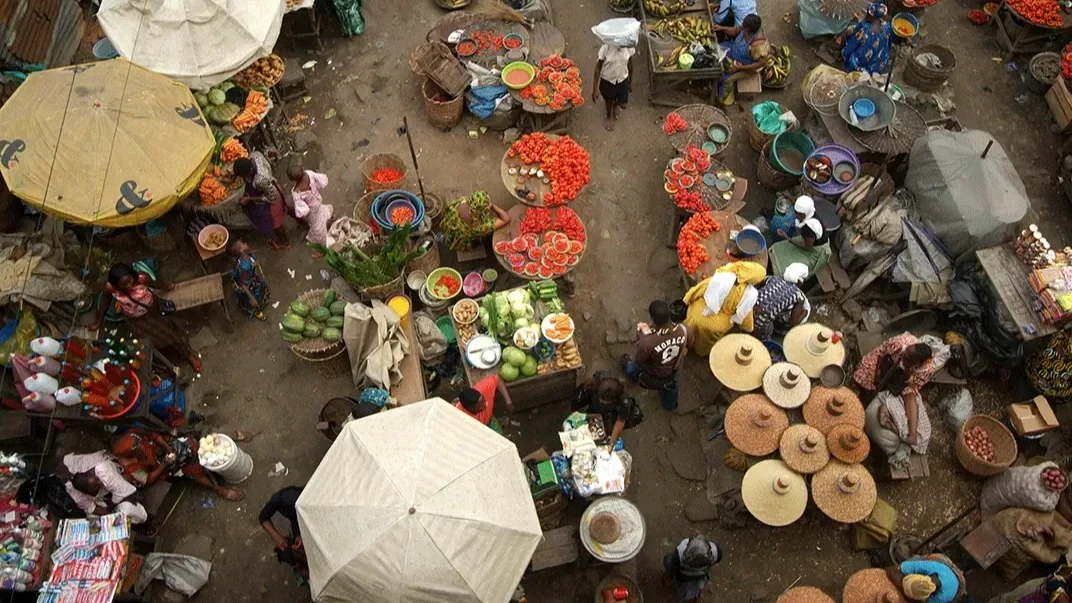
Nigeria’s cost-of-living crisis is deepening as rising fuel, food and other essential prices continue to erode household purchasing power, leaving workers and businesses struggling to keep up with higher living and operating costs.
The pressure is particularly evident in transportation, food consumption and other household expenses, while businesses face rising energy, logistics, raw-material and operating costs.
/ You Might Also Like /


Rising Prices Outpace Household Incomes
The widening gap between earnings and the cost of basic goods has become a major source of pressure for Nigerian households.
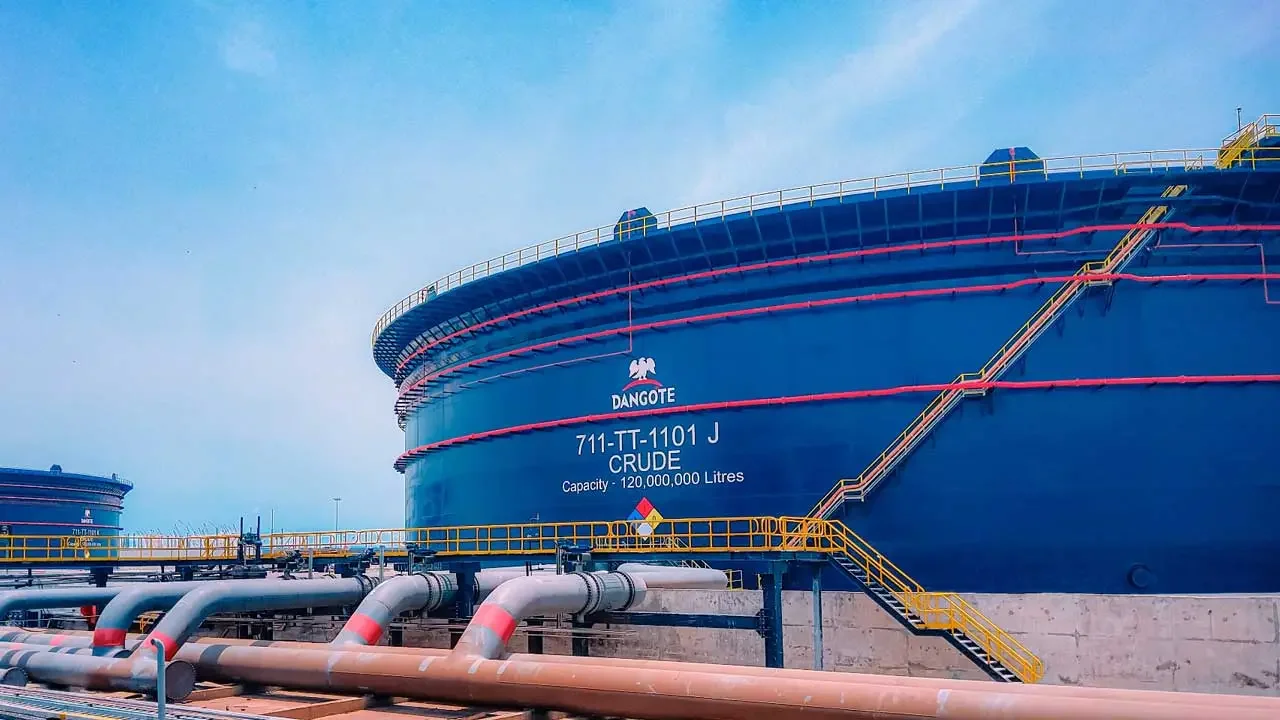
According to The Sun, petrol is currently selling at about ₦1,350 per litre in Lagos and above ₦1,400 in some parts of northern Nigeria.
The increase has raised transportation costs for motorists and commuters while also increasing the cost of moving food, construction materials and other goods across the country.
For households whose incomes have not increased at the same pace, higher prices effectively reduce the amount of goods and services that their earnings can purchase.
Social commentator Peter Olawumi highlighted the erosion in purchasing power by comparing the amount of cooking gas that ₦10,000 could purchase at different points.
According to his figures, ₦10,000 could purchase about 40kg of cooking gas in 2011, compared with only about 6.9kg in 2026.
Fuel Costs Affect More Than Transport
The impact of higher petrol prices extends well beyond motorists.
Transport operators face higher fuel and maintenance expenses, which are passed on to passengers. Businesses also face increased costs when transporting raw materials, finished goods and workers.
Manufacturers are particularly exposed because many businesses continue to rely on diesel-powered generators and other alternative energy sources because of unreliable electricity supply.
The resulting increase in logistics and energy costs can ultimately feed into the prices of goods and services, creating another layer of pressure for consumers.
For the property sector, the same cost pressures affect the transportation of cement, steel, blocks, fittings and other construction materials, as well as the movement of labour and equipment to development sites.
Housing Affordability Faces Additional Pressure
The deterioration in household purchasing power has implications for Nigeria’s housing market.
When food, transportation, healthcare and energy consume a larger proportion of household income, less money remains available for rent, mortgage payments, home construction and savings towards homeownership.
This is particularly significant in major cities where housing costs already account for a substantial share of household expenditure.
For lower- and middle-income households, rising living expenses can therefore make it increasingly difficult to save for a home or absorb rent increases.
The pressure can also affect property owners. Higher maintenance, energy, security and operational costs can increase the expenses associated with managing rental properties, although the ability of tenants to absorb higher rents remains constrained by stagnant purchasing power.
Businesses Caught Between Rising Costs and Weak Demand
Businesses are facing a difficult balance between maintaining prices and remaining financially viable.
Companies that increase prices risk losing customers as households reduce discretionary spending, while businesses that hold prices down face narrower margins as energy, transport and raw-material costs rise.
Micro, small and medium-sized enterprises are particularly vulnerable because many have limited access to affordable credit and fewer financial reserves to absorb cost increases.
The situation can also affect investment decisions, as businesses may postpone expansion or new projects when operating costs become difficult to predict.
Construction Costs Could Remain Elevated
The wider cost environment is also relevant to Nigeria’s housing supply.
Higher fuel and transportation costs increase the expense of moving construction materials from manufacturers and distributors to project sites.
Developers already face elevated costs for materials, labour, financing and land. Additional increases in logistics and energy expenses can further affect project budgets and ultimately influence the prices at which new homes are offered.
This creates a difficult cycle for the housing market: developers need to recover rising project costs, while households have less purchasing power available to acquire or rent properties.
Calls Grow for Targeted Economic Relief
The Sun reported that Nigerians are calling for targeted interventions to provide immediate relief from rising living costs.
Proposals include measures to reduce transport and food costs, expand targeted cash assistance to vulnerable households and review wages and income support to reflect prevailing living expenses.
Businesses are also seeking lower electricity and energy costs, affordable financing for MSMEs and the removal or suspension of levies that add to production and distribution expenses.
The demands reflect growing concern that macroeconomic improvements will have limited impact on households if disposable incomes continue to lose purchasing power.
Economic Recovery Must Reach Households
Chief Economist and Partner at SPM Professional, Dr Paul Alaje, told The Sun that Nigeria's economic position had deteriorated significantly over the years, citing a decline in GDP and per-capita income in dollar terms.
His assessment reflects a wider debate over how economic reforms should be measured: not only through headline macroeconomic indicators but also through their impact on household incomes and living standards.
For the housing market, household purchasing power remains particularly important. An economy can record stronger output or investment while households continue to struggle to afford rent, mortgages and the cost of building homes.
Outlook
Nigeria’s rising cost of living is placing simultaneous pressure on households and businesses, with higher fuel and food prices feeding into transportation, production and operating costs.
For the housing sector, the key concern is whether incomes can recover sufficiently to keep pace with rising rents, construction costs and other housing expenses.
Until purchasing power improves, increased housing supply alone may not be enough to make homes more accessible to a large share of Nigerians. A sustainable improvement in housing affordability will require stronger household incomes alongside measures that reduce construction, energy, transport and financing costs.
READ MORE