Nigerian Crude Surges Past $115 as Saudi Pipeline Disruption Tightens Oil Market

Oil Supply Fears Push Nigerian Crude Above $115 Per Barrel
Nigerian Bonny Light crude has climbed above $115 per barrel as disruptions to a key Saudi Arabian oil pipeline intensify concerns about global supplies and push international crude prices higher.
The increase comes amid heightened geopolitical tensions in the Middle East, with Saudi Arabia shutting its East-West pipeline after attacks on the infrastructure. Brent crude also climbed above $108 per barrel on Monday as traders assessed the potential impact of further supply disruptions.
/ You Might Also Like /



Bonny Light Trades Above $115
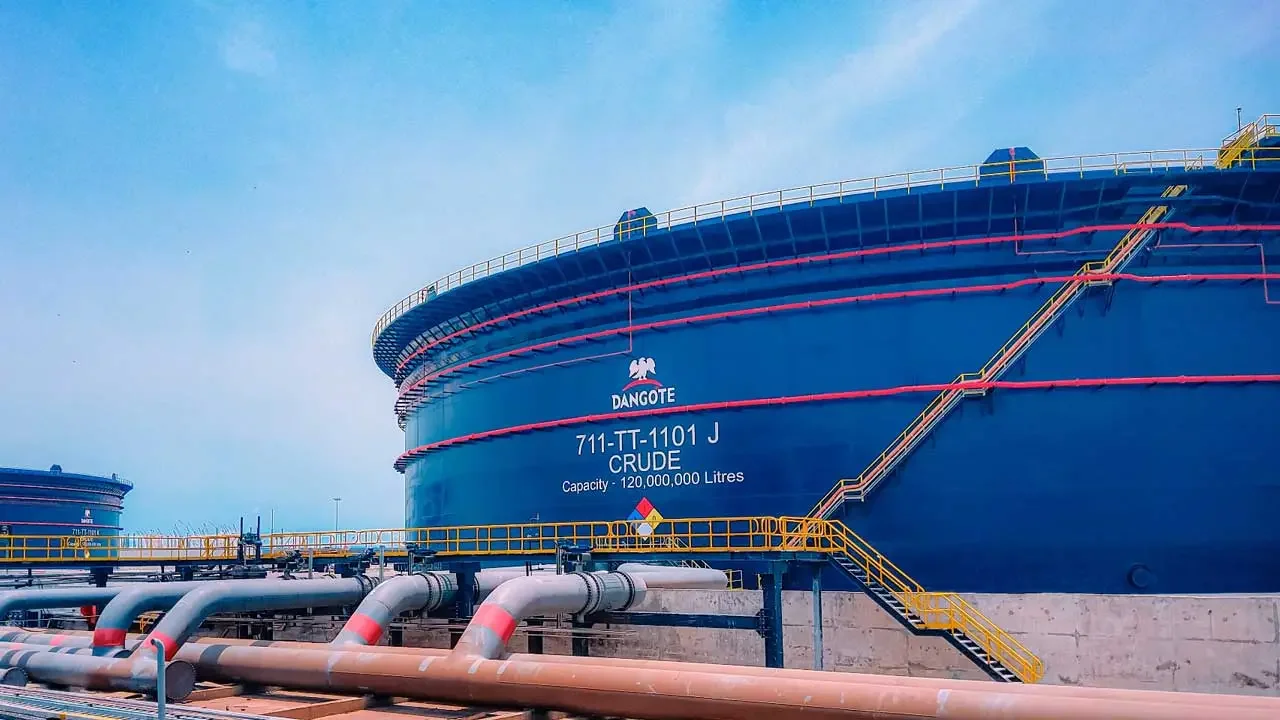
Nigerian Bonny Light traded above $115 per barrel over the weekend, according to Nairametrics, supported by the broader strength in global oil markets.
Nigeria's light, sweet crude grades continue to attract demand because of their relatively low sulphur content and suitability for a range of refineries, particularly in European and Mediterranean markets.
The rise in Bonny Light prices is significant for Nigeria because crude exports remain a major source of foreign exchange and government revenue.
However, the extent to which higher international prices translate into stronger fiscal gains will also depend on Nigeria's actual production volumes, export levels, operating costs and the government's ability to capture the additional revenue.
Saudi Pipeline Shutdown Raises Supply Concerns
Saudi Arabia shut its East-West pipeline after attacks in the Riyadh and Madinah regions.
The pipeline has become particularly important since the effective disruption of the Strait of Hormuz, as it provides an alternative route for transporting Saudi crude from the country's eastern oil-producing areas to the Red Sea.
The pipeline has a maximum capacity of about seven million barrels per day. Saudi Arabia had been using the route to redirect significant volumes of crude towards the Red Sea, reducing its reliance on the Strait of Hormuz.
The disruption has therefore increased concerns that further interruptions to regional infrastructure could tighten an already strained global oil market.
Global Oil Prices Move Higher
Brent crude rose more than three per cent on Monday, reaching a session high of about $108.65 per barrel before easing. US West Texas Intermediate crude also moved above $102 per barrel.
The increase followed a week of sharp gains in which Brent moved above $100 per barrel for the first time since July.
Analysts are watching the situation closely because prolonged disruptions to Saudi export routes could remove significant volumes from global supply and increase competition for alternative crude.
The longer the disruption persists, the greater the potential for additional upward pressure on crude prices.
Higher Oil Prices Could Boost Nigeria's Export Earnings
For Nigeria, higher crude prices present a potential opportunity to strengthen export earnings.
Nigeria's crude production has also shown improvement. Data from the Nigeria Upstream Petroleum Regulatory Commission showed that crude oil and condensate production increased to 1.68 million barrels per day in August 2026, while crude production excluding condensate averaged about 1.50 million barrels per day.
If higher prices are sustained while production remains stable or increases, Nigeria could benefit from stronger foreign-exchange inflows and improved government oil revenue.
The benefit, however, will depend on how long prices remain elevated and whether global supply conditions stabilise.
Fuel Prices Could Face Further Pressure
Higher international crude prices can also create additional pressure across petroleum markets.
Nigeria has already experienced higher petrol prices, with some Abuja filling stations recently selling petrol above ₦1,400 per litre as domestic fuel prices responded to higher refinery and crude-related costs.
A sustained increase in international crude prices could therefore complicate efforts to contain transportation and energy costs.
For households and businesses, higher fuel prices can feed into transportation, logistics, electricity generation and the cost of moving goods.
Implications for Construction and Real Estate
The effect on the housing market could be mixed.
Higher oil revenues could improve government finances and potentially create greater fiscal capacity for infrastructure investment if additional earnings are effectively managed.
However, higher energy and transportation costs could simultaneously increase the cost of construction.
Developers rely on fuel and other energy sources for transporting cement, steel, aggregates, blocks and other materials to construction sites. Contractors also face higher equipment and logistics costs when fuel prices rise.
If the increase in crude prices eventually contributes to higher domestic fuel costs, developers could face additional pressure on project budgets.
That could ultimately affect the prices of new homes, rents and the viability of some real estate projects.
Foreign Exchange Remains a Key Transmission Channel
Higher crude prices could also support Nigeria's foreign-exchange position by increasing the value of oil export receipts.
Stronger foreign-exchange inflows could provide some support for the naira and reduce pressure on import-dependent businesses if the additional earnings translate into improved liquidity in the foreign-exchange market.
For real estate, currency stability matters because several construction inputs and equipment remain exposed to imported costs.
A more stable exchange rate could help developers plan projects with greater certainty, although the effect would depend on broader monetary, fiscal and supply-side conditions.
Outlook
The rise in Nigerian crude prices above $115 per barrel highlights both the opportunities and risks created by the current global oil market.
Nigeria could benefit from stronger export earnings if high crude prices persist alongside improving production. However, prolonged energy-market disruption could also increase domestic fuel, transport and construction costs.
For the housing sector, the key issue will be whether stronger oil revenues translate into greater infrastructure spending and economic stability quickly enough to offset the inflationary pressure created by higher energy costs.
The direction of crude prices will therefore remain important not only for Nigeria's oil revenues and foreign exchange but also for the wider cost of doing business and developing property.
READ MORE