Ondo Begins Demolition of Buildings Blocking Waterways to Reduce Flood Risk
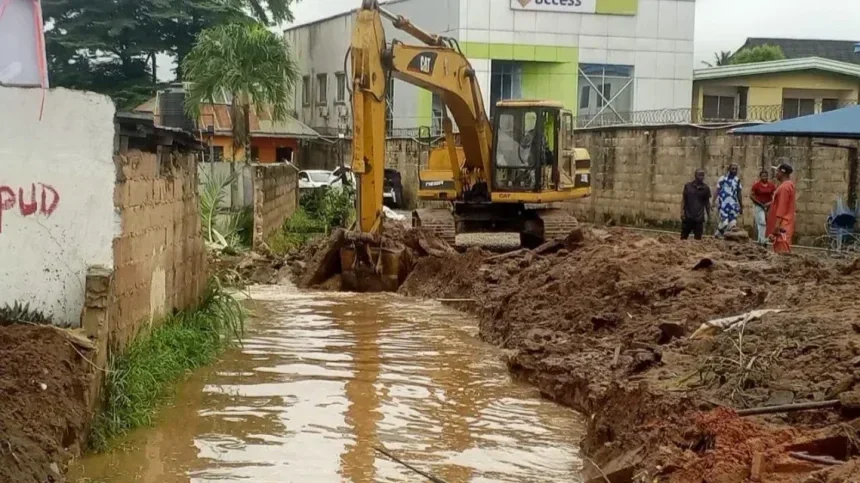
Flood Prevention Drive; Ondo Removes Structures Blocking Drainage Channels
The Ondo State Government has commenced the demolition of buildings and other structures obstructing waterways and government setbacks in Akure as part of a wider flood mitigation and urban planning enforcement programme. The exercise aims to restore natural drainage channels, reduce erosion and minimise flood risks during the peak of the rainy season.
/ You Might Also Like /


The operation began along Oyemekun Road in the state capital and is being coordinated by the Ministry of Physical Planning and Urban Development in collaboration with the Office of the Special Adviser to the Governor on Technical and Ecological Control. According to the state government, the initiative forms part of broader efforts to address indiscriminate development and improve environmental resilience across urban areas.
Government Steps Up Planning Enforcement
Commissioner for Physical Planning and Urban Development, Sunday Olajide, said the state would continue to enforce physical planning regulations to ensure orderly urban development and protect critical drainage infrastructure.
Represented during the exercise by the Permanent Secretary of the ministry's Building Control Unit, Abimbola Tofowomo, the commissioner warned developers and property owners against erecting structures on waterways or within government setbacks without the necessary approvals.
He stated that buildings found to violate planning regulations would face enforcement measures, including demolition, stressing that the government would not compromise on compliance with approved development standards.
Drainage Expansion to Follow Demolition
Special Adviser to the Governor on Technical and Ecological Control, Elisha Ebijimi, said affected property owners had been served statutory notices before the commencement of the demolition exercise.
According to him, clearing the affected structures will allow the government to widen blocked waterways and construct concrete retaining walls to improve drainage capacity and reduce erosion.
Ebijimi explained that inspections revealed deliberate obstruction of drainage channels, with some openings designed to allow water flow blocked by adjoining developments. The resulting water accumulation beneath sections of the roadway, he said, increased the risk of flooding and could undermine road infrastructure if left unresolved.
He added that engineers have already begun drainage improvement works at the affected location, with the first phase expected to be completed within two weeks before similar enforcement exercises are extended to other parts of Akure and later to Ondo town.
Urban Planning and Housing Implications
The demolition exercise underscores the growing importance of integrating physical planning enforcement into urban development strategies as Nigerian cities contend with increasing flood risks linked to rapid urbanisation and climate change.
Experts have consistently identified encroachment on natural waterways, inadequate drainage infrastructure and unregulated development as major contributors to recurring urban flooding. Restoring drainage corridors can improve the resilience of existing communities while protecting public infrastructure and residential neighbourhoods from flood damage.
For developers, the action reinforces the need to comply with approved layouts, environmental regulations and setback requirements before commencing construction. Compliance with planning laws not only reduces regulatory risks but also supports sustainable urban growth and protects long-term property values.
Outlook
Ondo State's enforcement campaign reflects a broader shift towards proactive flood management through stronger development control and environmental planning. As flooding continues to pose economic and housing risks across many Nigerian cities, consistent enforcement of planning regulations, improved drainage infrastructure and responsible land use will remain critical to building safer and more resilient urban communities.
READ MORE