Africa Loses $88bn Annually to Illicit Financial Flows, Edun Warns

Edun Urges Stronger Tax Systems to Curb Africa’s $88bn Capital Flight
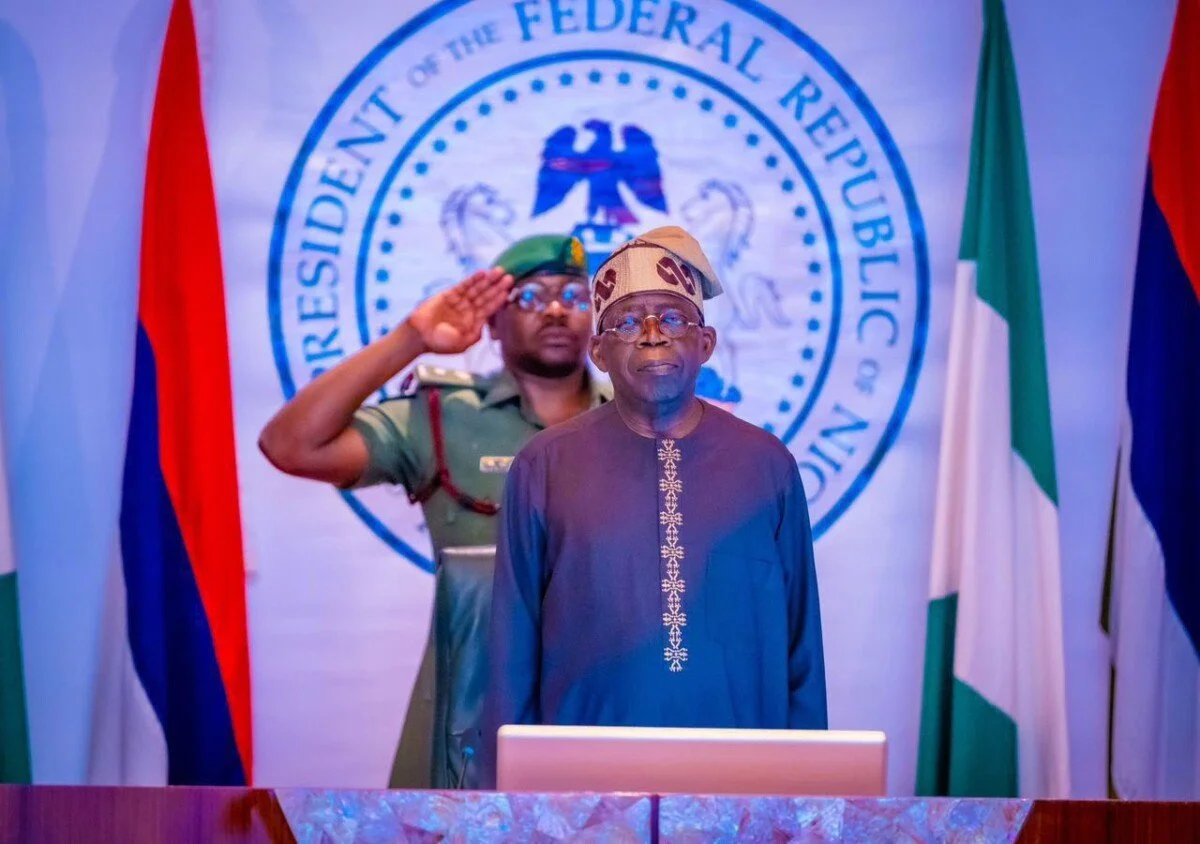
Wale Edun, Nigeria’s Minister of Finance and Coordinating Minister of the Economy, has warned that Africa loses more than $88 billion annually to illicit financial flows (IFFs). Speaking in Abuja at a high-level African Union meeting, he called for urgent, coordinated action to curb capital flight and strengthen domestic resource mobilisation across the continent.
/ You Might Also Like /




Scale of Financial Leakages
Illicit financial flows covering tax evasion, trade mispricing, and illegal capital transfers represent one of the most significant structural challenges facing African economies. Edun emphasised that the $88 billion lost annually could otherwise be deployed to finance infrastructure, healthcare, education, and other critical sectors.
The scale of these leakages continues to undermine fiscal stability and limit governments’ capacity to fund development priorities internally.
Fiscal Pressure and Development Constraints
Edun highlighted a widening imbalance in Africa’s financing structure, noting that the continent spends more on debt servicing than it receives in foreign aid and investment inflows combined.
This dynamic reinforces the urgency of addressing illicit financial flows, as external financing sources remain volatile and insufficient to meet long-term development needs.
With a population exceeding 1.4 billion and significant natural resource endowments, Africa’s growth potential remains constrained by weak revenue retention and limited fiscal efficiency.
Push for Domestic Resource Mobilisation
The policy response outlined by Edun centres on strengthening domestic revenue systems. Under the African Union’s Agenda 2063 framework, countries aim to finance up to 90 percent of development needs through internal resources.
Key reform priorities include:
Strengthening tax administration and compliance
Expanding the tax base
Enhancing governance and transparency
Developing capital markets
Leveraging digital systems to reduce leakages
These measures aim to reduce dependence on debt and foreign capital while improving fiscal resilience.
Institutional and Policy Reforms
Nigeria has already implemented several reforms aligned with this strategy. According to Edun, initiatives such as tax system restructuring, exchange rate unification, and the removal of fuel subsidies are improving transparency and boosting non-oil revenue performance.
Additionally, the introduction of the National Single Window project is expected to streamline trade processes, reduce transaction costs, and minimise revenue losses linked to illicit financial activities.
Need for Continental Coordination
Experts at the forum, including officials from the Nigerian Revenue Service, stressed that illicit financial flows are inherently transnational and exploit gaps in global financial and regulatory systems.
As a result, effective mitigation will require:
Cross-border regulatory cooperation
Data sharing between tax authorities
Harmonised enforcement frameworks
Strengthened institutional capacity
Without coordinated action, national-level reforms may have limited impact.
Economic and Policy Implications
Revenue Retention and Growth
Reducing illicit outflows could significantly increase available public funds, enabling higher investment in infrastructure and social services.
Fiscal Sustainability
Improved domestic revenue mobilisation would reduce reliance on borrowing, easing debt servicing pressures and strengthening macroeconomic stability.
Investor Confidence
Transparent fiscal systems and reduced leakages can enhance investor trust, particularly in emerging and frontier markets across Africa.
The warning by Wale Edun underscores the scale and urgency of addressing illicit financial flows in Africa. With over $88 billion lost annually, the issue represents both a critical risk and a major opportunity for economic transformation.
Sustained progress will depend on the effective implementation of tax reforms, stronger institutions, and coordinated continental action. Successfully curbing illicit flows could unlock substantial resources needed to finance Africa’s long-term development agenda and reduce dependence on external funding.
READ MORE