Lagos Bans Petroleum Tankers From Edible Oil Distribution Chain

Lagos Cracks Down on Unsafe Edible Oil Distribution Practices
The Lagos State Government has banned the use of petroleum tankers in the edible oil distribution chain as part of new measures aimed at strengthening food safety, consumer protection, and supply chain compliance standards across the state.
The restriction was introduced under a Memorandum of Understanding (MoU) signed between the Lagos State Consumer Protection Agency (LASCOPA) and key industry stakeholders, including the Marketers and Sellers of Edible Oil Association of Nigeria (MASEON), the Nigerian Association of Road Transport Owners (NARTO), and the Association of Edible Oil Tanker Drivers of Nigeria under the National Union of Edible Oil Tanker Drivers of Nigeria (ETD/NUEOTDN).
/ You Might Also Like /
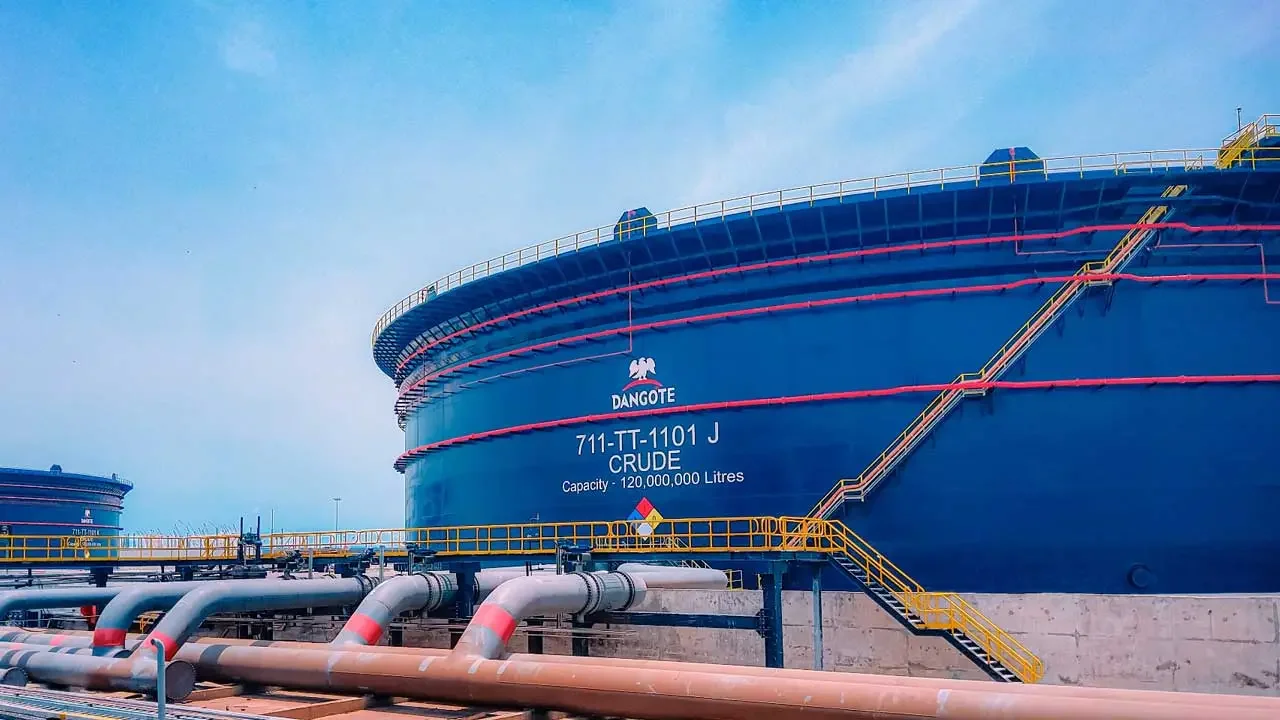



According to the Lagos State Government, the policy prohibits the use of tankers previously deployed for transporting petroleum products or hazardous materials from participating in edible oil logistics operations due to contamination and public health risks.
Government Targets Food Contamination Risks
State authorities said the new framework is designed to address long-standing concerns about the reuse of fuel tankers for transporting edible oil products intended for human consumption.
LASCOPA warned that chemical residues left in tankers previously used for petroleum transportation could contaminate edible oils and expose consumers to serious health risks.
Under the agreement, only food-grade certified tankers will now be permitted within the edible oil distribution chain in Lagos.
The agency stated that the framework introduces stricter hygiene requirements, tanker traceability systems, operational monitoring, and compliance procedures across the sector.
According to the statement, stakeholders are required to ensure that tankers designated for edible oil transportation are used exclusively for that purpose and are not repurposed for petroleum products or hazardous substances.
Compliance Measures and Enforcement Intensify
The Lagos State Consumer Protection Agency disclosed that the new policy includes expanded inspection and enforcement mechanisms aimed at improving compliance throughout the supply chain.
Officials said the framework will involve tanker registration systems, vehicle identification measures, periodic inspections, random spot checks, and laboratory testing of edible oil samples.
LASCOPA added that joint enforcement operations would be conducted alongside industry associations and transport unions to ensure adherence to the new standards.
The agency also stated that monitoring activities and consumer complaint investigations would be strengthened under the Lagos State Consumer Protection Agency Law, 2025.
Industry analysts note that traceability and dedicated logistics systems are increasingly becoming standard requirements within regulated food supply chains globally, particularly for products with direct public health implications.
Policy Aligns With Broader Regulatory Crackdown
The Lagos restriction follows earlier interventions by the National Agency for Food and Drug Administration and Control (NAFDAC), which previously raised concerns over the use of petroleum tankers for transporting edible oils in Nigeria.
In 2025, NAFDAC directed edible oil manufacturers and tanker operators to adopt dedicated food-grade tankers while warning that cross-use with petroleum transportation posed major health risks to consumers.
The agency had also instructed operators to improve tanker identification and standardisation as part of efforts to strengthen food safety oversight nationwide.
The latest Lagos policy further reflects increasing regulatory attention on Nigeria’s edible oil market following repeated concerns about substandard and unregistered products within the supply chain.
According to Nairametrics, several edible oil brands were previously flagged during market surveillance operations over regulatory and quality compliance issues.
Manufacturers and Transport Operators Face Adjustment Costs
The implementation of dedicated food-grade tanker systems may create additional compliance and operational costs for some operators within the edible oil supply chain.
Industry participants may be required to invest in specialised tanker fleets, enhanced cleaning systems, certification processes, and logistics monitoring infrastructure to comply with the new regulations.
Analysts say these adjustments could temporarily increase transportation and distribution costs across segments of the edible oil market, particularly for smaller operators with limited fleet capacity.
However, stakeholders also note that improved quality assurance standards may strengthen long-term consumer confidence and reduce contamination-related risks within the food industry.
The move comes amid broader inflationary pressures affecting transportation, logistics, and manufacturing sectors across Nigeria.
According to recent National Bureau of Statistics data referenced by Nairametrics, Nigeria’s headline inflation rate rose to 15.69% in April 2026, reflecting renewed price pressures across the economy.
Consumer Protection Gains Importance
The Lagos government’s action highlights growing emphasis on consumer protection and public health regulation within Nigeria’s food and manufacturing sectors.
Experts note that food logistics and transportation standards are increasingly viewed as critical components of supply chain integrity, particularly in densely populated urban centres such as Lagos.
The state government has recently intensified regulatory oversight across multiple sectors as part of broader efforts to improve compliance, environmental standards, and consumer safety.
Industry observers say stronger enforcement within food distribution systems could help reduce risks associated with adulteration, contamination, and poor storage practices.
Outlook
The Lagos State Government’s decision to ban petroleum tankers from the edible oil distribution chain signals a significant tightening of food transportation standards within Nigeria’s commercial capital.
By enforcing exclusive use of food-grade certified tankers, authorities aim to improve consumer safety, strengthen supply chain traceability, and reduce contamination risks across the edible oil market.
While implementation may increase compliance costs for some operators, analysts say the policy could improve long-term food quality standards and reinforce public confidence in regulated food distribution systems across Lagos.
READ MORE