Why Lagos Landlords and Agents Continue to Increase Rents
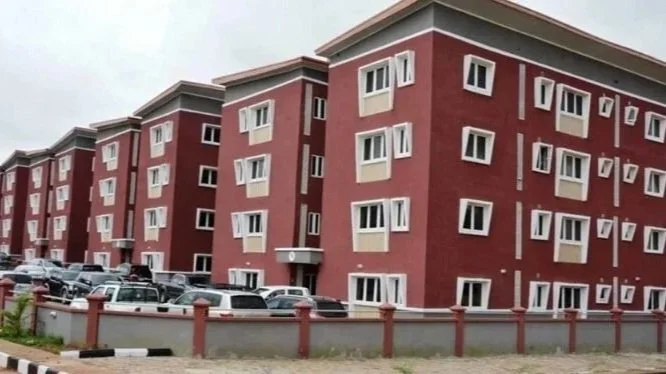
Housing Deficit and Inflation Drive Lagos Rental Increases
Rental prices across Lagos continue to rise sharply as landlords, developers, and property agents respond to mounting economic pressures, housing shortages, and sustained demand in Nigeria’s commercial capital.
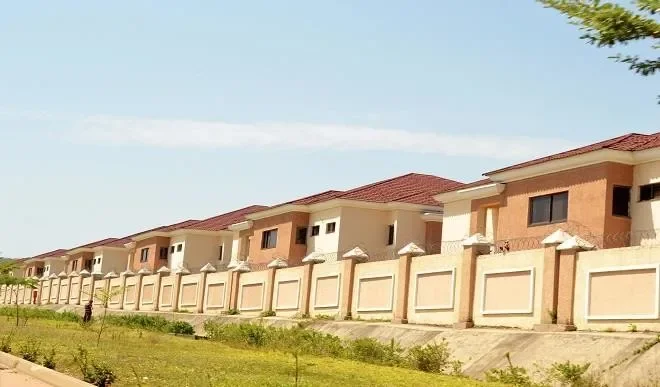
Across both Lagos Island and Mainland residential markets, tenants are facing significant rent increases driven by inflation, rising construction costs, currency volatility, and limited housing supply. Industry stakeholders say the upward trend reflects deeper structural issues within Nigeria’s urban housing market rather than isolated pricing decisions by landlords alone.
/ You Might Also Like /
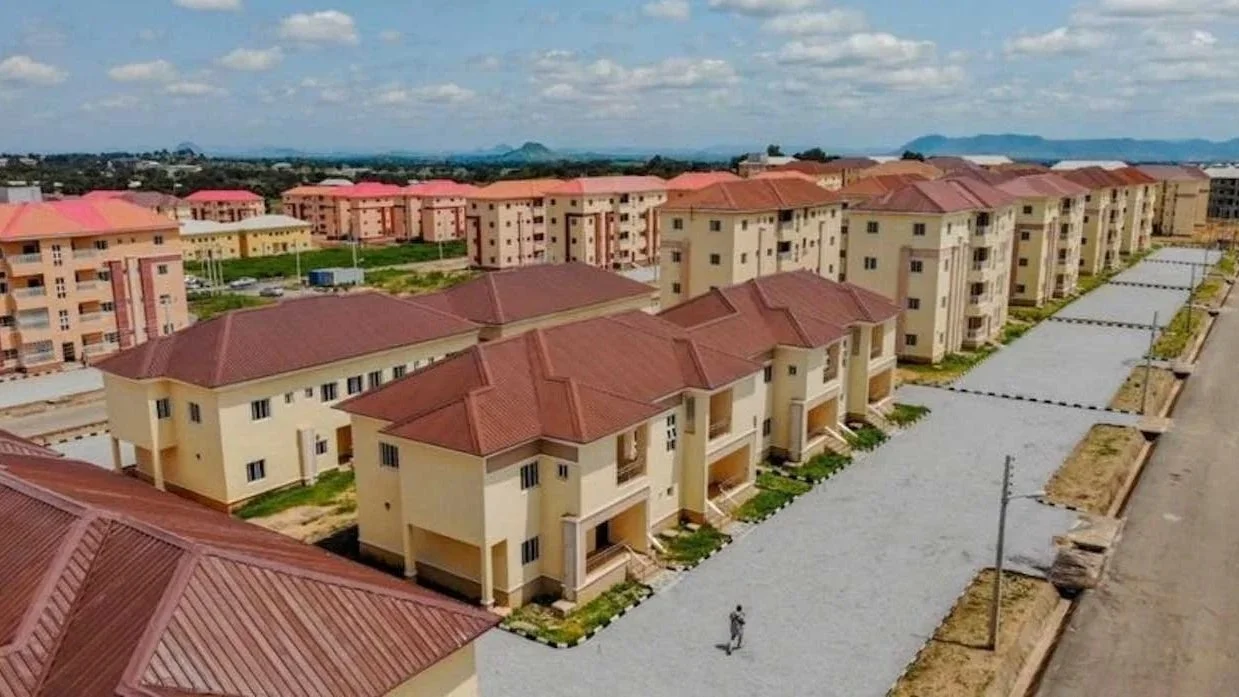

The pressure has intensified in recent years as population growth, migration into Lagos, and expanding demand for housing continue to outpace residential supply across key neighbourhoods including Lekki, Ikoyi, Ikeja, Yaba, Ajah, Surulere, and Gbagada.
Housing Supply Remains Far Below Demand
One of the biggest drivers of rising rents in Lagos is the persistent shortage of quality housing.
According to industry estimates referenced by real estate operators, Nigeria’s housing deficit remains above 14 million units, with Lagos accounting for a substantial portion of unmet urban housing demand.
As more Nigerians migrate to Lagos for employment and business opportunities, demand for residential accommodation continues to grow faster than new housing delivery.
Analysts say this imbalance gives landlords stronger pricing power, particularly in high-demand urban corridors where vacancy rates remain low and competition for available units remains intense.
A recent Nairametrics report noted that proximity to commercial districts and transport corridors continues to sustain strong demand in areas such as Ikeja, Surulere, Yaba, Somolu, and Gbagada.
The report added that Lagos Mainland markets increasingly attract tenants seeking lower entry costs compared to premium Island locations, although rents across both segments continue to rise.
Inflation and Construction Costs Continue to Rise
Property owners and developers also point to rising operational and construction costs as major reasons behind rent increases.
Nigeria’s inflationary environment has significantly increased the cost of building materials, maintenance services, diesel, electricity, security, and property management operations over the past two years.
According to rental market tracking published by The Africanvestor, Lagos rents increased between 12% and 18% year-on-year in early 2026, driven largely by naira depreciation, inflation, and persistent housing undersupply.
Landlords argue that maintaining existing rental prices has become increasingly difficult as the costs associated with property ownership continue to rise.
In many Lagos residential estates, landlords independently provide infrastructure such as electricity generation, water supply, waste management, and security due to gaps in public infrastructure systems.
Urban planning analysts note that these additional self-funded infrastructure costs are often transferred to tenants through higher rents and service charges.
Short-Let Apartments Are Reducing Long-Term Rental Supply
Another major factor affecting Lagos rents is the rapid expansion of the short-let apartment market.
Nairametrics reported earlier in 2026 that many landlords are abandoning traditional annual rentals in favour of short-let operations because of higher income potential and lower tenant-related risks.
According to operators interviewed by the publication, short-let apartments in areas such as Lekki, Ikate, and Ikeja GRA can generate significantly higher annual income than conventional residential leases, even at moderate occupancy rates.
Some landlords reportedly issue quit notices to existing tenants in order to convert residential apartments into furnished short-let units.
Industry experts say this trend is reducing the supply of long-term residential apartments available to middle-income tenants, further intensifying pressure on rental prices across the city.
The growth of short-let apartments has been particularly strong in areas with high demand from expatriates, corporate clients, and Nigerians in the diaspora.
Demand Concentrates Around Key Economic Hubs
Lagos’ economic structure also contributes to rental concentration around specific locations.
Neighbourhoods located close to major commercial centres, business districts, and transport corridors continue to command premium rents because tenants prioritise shorter commuting times and improved accessibility.
According to RV Property Co., the “price-to-location ratio” remains a major factor driving sustained demand in central Mainland locations.
Analysts note that worsening traffic congestion and transportation costs in Lagos increasingly influence residential decisions, pushing more professionals towards areas closer to workplaces and commercial activity.
The result is stronger competition for housing within established residential hubs, particularly for two-bedroom apartments, which remain the most sought-after housing category in Nigeria’s urban rental market.
Estate Agents Face Growing Scrutiny
While economic pressures explain much of the market trend, tenants have increasingly criticised some estate agents for contributing to excessive rent increases through inflated commissions and speculative pricing practices.
Social media discussions and tenant complaints frequently accuse agents of encouraging landlords to raise rents beyond market fundamentals in order to increase commission earnings.
Industry operators, however, argue that many agents are simply responding to broader market conditions shaped by supply shortages and rising property values.
Real estate professionals also point out that agents face higher business operating costs, including office expenses, transportation, marketing, and client acquisition costs within Lagos’ increasingly competitive property market.
Despite the criticism, analysts say weak rental market regulation and limited enforcement of tenancy laws continue to leave tenants vulnerable to abrupt rent increases in many parts of the city.
Housing Affordability Pressures Intensify
The impact of rising rents has become increasingly severe for low- and middle-income households.
A recent Guardian report highlighted cases where rental prices in some parts of Lagos increased multiple times within just a few years, significantly outpacing wage growth.
The publication noted that some Mainland apartments previously rented for around ₦500,000 annually now command up to ₦2.5 million in certain locations.
As affordability pressures grow, more tenants are reportedly relocating to peripheral areas including Ikorodu, Epe, Badagry, and Ogun State border communities in search of lower-cost accommodation.
Others increasingly share apartments, reduce housing quality expectations, or move farther away from employment centres to manage rising living expenses.
Housing analysts warn that continued rent escalation without corresponding income growth could deepen urban inequality and increase pressure on informal settlements around Lagos.
Infrastructure Challenges Add to Costs
Experts also link Lagos’ housing pressures to broader infrastructure deficits affecting urban development.
Inadequate drainage systems, unreliable electricity supply, limited sewage infrastructure, and poor road connectivity continue to increase development costs and constrain large-scale residential expansion in many parts of the city.
Developers often finance infrastructure independently within private estates, adding substantial costs to residential projects before units even enter the market.
Urban planners argue that stronger public investment in transport, utilities, and housing infrastructure could help reduce development costs and support more affordable housing delivery over the long term.
Outlook
The continued rise in Lagos rents reflects a combination of economic realities, structural housing shortages, infrastructure gaps, and changing investment patterns within the city’s real estate market.
While landlords and agents remain under increasing public scrutiny, analysts say sustained rent pressures are likely to continue unless housing supply expands significantly and broader economic conditions improve.
As Lagos’ population and urbanisation levels continue to rise, policymakers may face growing pressure to strengthen affordable housing delivery, improve urban infrastructure, and introduce more effective rental market regulations to stabilise housing costs in the years ahead.
READ MORE