Ebonyi Residents Struggle for Water as Supply Systems Collapse
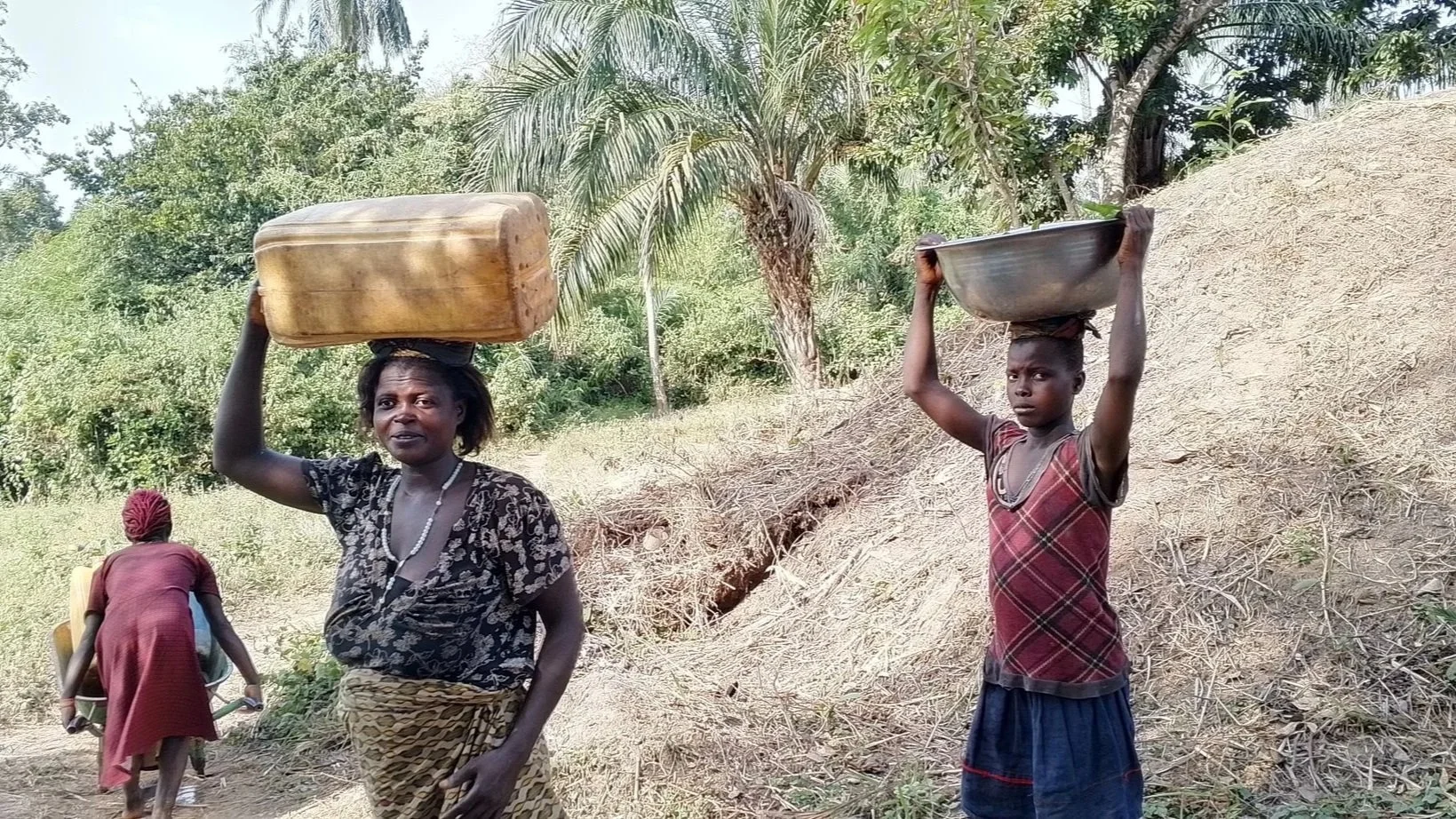
Residents of Ebonyi State, particularly in Abakaliki, are facing a severe shortage of potable water, forcing many to roam streets daily in search of supply. The crisis, driven by damaged infrastructure, vandalism, and years of underinvestment, has raised concerns over rising costs and the risk of water-borne diseases.
/ You Might Also Like /




Infrastructure Failures and Supply Disruptions
The current shortage has been linked to multiple structural issues, including damage to water pipelines during construction works and vandalism of critical equipment. These disruptions have significantly reduced the capacity of existing water schemes to deliver potable water across the capital city.
Authorities acknowledge that the problem also reflects long-term neglect of key water infrastructure assets, including major treatment plants designed to serve urban and peri-urban populations.
Rising Reliance on Informal Water Sources
With public supply largely unavailable, residents have turned to alternative sources such as boreholes, wells, and water vendors. However, many of these sources are either unreliable or unsafe.
Reports indicate that some boreholes produce saline or contaminated water, while seasonal factors have caused wells to dry up. As a result, households increasingly depend on purchased water, significantly raising daily living costs.
For many families, the financial burden is substantial. Households now spend up to ₦1,200 daily on sachet water, reflecting both scarcity and price inflation in informal supply chains.
Public Health Risks Intensify
The lack of access to clean water has heightened the risk of water-borne diseases. Residents are increasingly forced to consume untreated or low-quality water, creating potential public health challenges.
This trend reverses earlier progress made in the state, where coordinated interventions—supported by international organisations such as UNICEF—previously helped eliminate diseases like Guinea worm through improved water access.
Government Response and Rehabilitation Efforts
The Ebonyi State government has announced ongoing efforts to restore supply through the rehabilitation of key water schemes, including Oferekpe and Ezillo. These facilities are central to the state’s water distribution network and are expected to improve coverage once operational.
Officials state that repair works are underway and that supply could resume in phases within weeks. However, authorities have also warned against further vandalism of infrastructure, signalling stricter enforcement measures.
Structural Challenges in Urban Water Delivery
The situation in Ebonyi highlights broader systemic challenges in Nigeria’s urban water systems, including:
Ageing and poorly maintained infrastructure
Weak institutional capacity
Inadequate investment in water treatment and distribution
Rapid urbanisation without corresponding utility expansion
These factors continue to constrain reliable access to potable water, particularly in growing state capitals.
Implications for Housing and Urban Development
Water access remains a critical component of livable urban environments and housing development. Persistent shortages undermine property values, increase household costs, and reduce overall quality of life.
For investors and policymakers, the crisis underscores the need for:
Sustainable infrastructure financing models
Public-private partnerships in water delivery
Strengthened governance and maintenance frameworks
Addressing these gaps is essential for supporting long-term urban growth and housing market stability.
The water scarcity crisis in Ebonyi State reflects both immediate infrastructure failures and deeper structural challenges in Nigeria’s urban service delivery. While government rehabilitation efforts may provide short-term relief, sustainable solutions will require consistent investment, institutional reform, and improved infrastructure management.
Restoring reliable access to potable water is not only a public health priority but also a critical foundation for economic development and urban resilience.
READ MORE