Sanwo-Olu Reaffirms Commitment to Affordable Housing Finance in Lagos
LASG Expands Affordable Housing Strategy Amid Rising Urban Demand
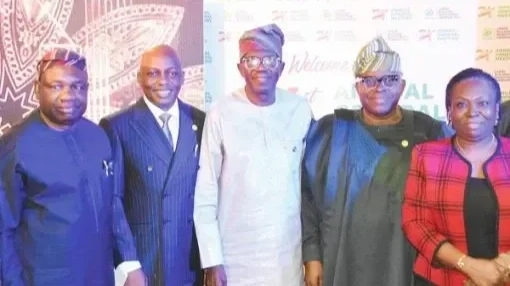
Lagos State Governor Babajide Sanwo-Olu has reaffirmed his administration’s commitment to expanding affordable housing finance and improving homeownership access across Nigeria’s commercial capital.
Speaking during a housing sector engagement focused on affordable housing development and financing strategies, the governor said Lagos remains committed to building a more inclusive housing market through stronger public-private partnerships, mortgage accessibility, and large-scale residential development initiatives.
/ You Might Also Like /


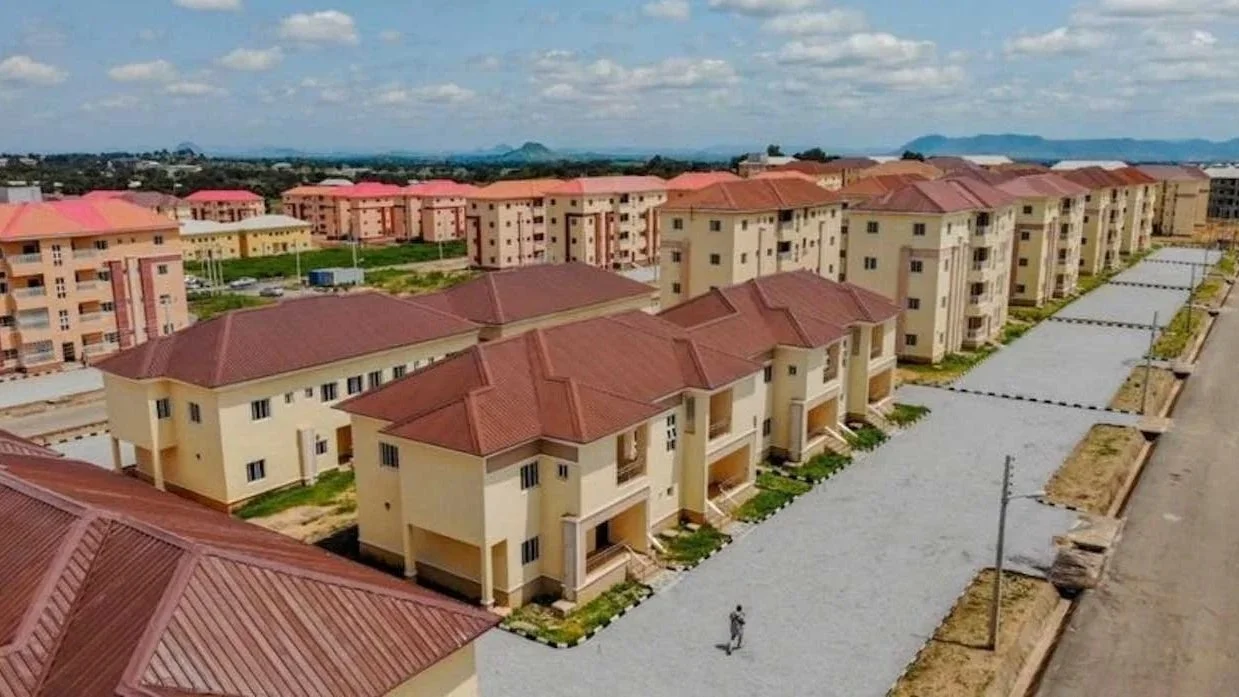

Sanwo-Olu stated that housing remains a central pillar of Lagos State’s broader urban development agenda, particularly as rapid population growth and urbanisation continue to increase pressure on residential infrastructure and affordability.
According to the governor, sustainable housing delivery requires coordinated collaboration between government institutions, financial organisations, developers, and infrastructure providers.
Lagos Faces Persistent Housing Demand Pressure
Lagos continues to experience some of the highest housing demand levels in Nigeria due to its growing population, expanding commercial activity, and sustained migration inflows.
Urban development analysts estimate that Lagos requires hundreds of thousands of additional housing units annually to keep pace with demand growth and reduce mounting pressure on the rental and ownership markets.
The state’s housing challenges have intensified amid rising land costs, inflation, infrastructure deficits, and increasing construction expenses, all of which continue to affect affordability for low- and middle-income households.
Recent reports from industry stakeholders indicate that rising rents and property prices have become major concerns for residents across both Lagos Island and Mainland residential corridors.
Analysts say the affordability gap remains particularly severe for first-time homebuyers and middle-income earners facing limited access to long-term mortgage financing.
Affordable Housing Finance Positioned as Key Solution
Sanwo-Olu emphasised that improving access to housing finance remains critical to addressing Lagos’ widening homeownership gap.
The governor stated that the state government is working to strengthen financing frameworks capable of supporting affordable housing delivery at scale while reducing barriers to home acquisition for residents.
According to the governor, affordable mortgage systems and structured housing finance products are essential for expanding housing accessibility and supporting long-term urban stability.
Industry experts note that Nigeria’s mortgage penetration remains among the lowest globally, with high interest rates, limited long-term funding, and weak credit accessibility continuing to constrain mortgage growth.
Data from the Nigeria Mortgage Refinance Company (NMRC) previously showed that mortgage lending represents less than 1% of Nigeria’s Gross Domestic Product, significantly below levels recorded in more developed housing finance markets.
Housing analysts argue that expanding affordable financing mechanisms could stimulate residential construction activity while improving access to formal housing ownership.
Public-Private Partnerships Gain Momentum
The Lagos State Government continues to position public-private partnerships (PPPs) as a major component of its affordable housing strategy.
Sanwo-Olu noted that collaboration with private developers, financial institutions, and infrastructure investors remains necessary to bridge Lagos’ housing deficit and accelerate project delivery.
Over the past several years, Lagos has expanded partnerships with private developers through schemes designed to increase housing supply across different income categories.
Projects under the Lagos State Development and Property Corporation (LSDPC), Lagos HOMS, and other PPP-backed initiatives have delivered residential developments in areas including Sangotedo, Igando, Ibeshe, and Ajara.
Industry stakeholders say PPP structures remain attractive because they allow governments to leverage private capital and technical expertise while reducing direct fiscal pressure on public budgets.
However, analysts caution that affordability objectives must remain central to project implementation, as some PPP developments have historically struggled to remain accessible to low-income households.
Infrastructure Development Linked to Housing Expansion
The governor also highlighted the relationship between infrastructure development and sustainable housing growth.
According to Sanwo-Olu, investments in roads, drainage systems, transportation networks, and utilities remain necessary to unlock new residential corridors and reduce development costs across Lagos.
Urban planners note that inadequate infrastructure remains one of the biggest obstacles to affordable housing expansion within Lagos and other rapidly growing Nigerian cities.
Developers often absorb substantial infrastructure costs independently through estate-level electricity, water, road, and drainage systems, contributing to higher property prices and rental costs.
The state government has increasingly linked housing expansion plans to wider transport and urban renewal projects, including road upgrades and rail infrastructure developments aimed at improving connectivity across emerging residential districts.
Stakeholders Call for Broader Financing Reforms
Housing finance experts continue to advocate broader reforms aimed at improving accessibility and affordability within Nigeria’s mortgage sector.
Industry operators have repeatedly identified high interest rates, short loan tenures, inflation, and weak foreclosure frameworks as major barriers to mortgage market expansion.
Stakeholders also argue that pension-backed housing finance, cooperative housing models, rent-to-own structures, and blended finance arrangements could improve access for lower-income households.
The Family Homes Funds initiative and Federal Mortgage Bank of Nigeria (FMBN) programmes have also attempted to expand affordable housing financing nationally through subsidised intervention schemes.
Analysts say stronger housing finance systems could support economic growth by stimulating construction activity, employment generation, and infrastructure investment across the broader real estate sector.
Urbanisation Continues to Reshape Housing Policy
Lagos’ housing policies increasingly reflect the pressures associated with rapid urbanisation and demographic expansion.
The United Nations projects that Lagos could become one of the world’s largest urban centres over the coming decades, placing additional strain on housing supply, transportation systems, and urban infrastructure.
Urban economists warn that without sustained affordable housing investment, rising property costs could deepen inequality and increase informal settlement growth across the metropolitan region.
The Lagos government’s renewed focus on affordable housing finance aligns with broader policy efforts aimed at improving urban resilience, infrastructure planning, and long-term economic competitiveness.
Outlook
Governor Sanwo-Olu’s renewed commitment to affordable housing finance underscores the growing importance of structured financing solutions within Lagos’ evolving urban development strategy.
As housing demand continues to rise, policymakers are increasingly prioritising partnerships, mortgage accessibility, and infrastructure expansion to improve housing delivery and homeownership opportunities.
Analysts say long-term success will depend on sustained policy consistency, expanded financing access, infrastructure investment, and the ability to maintain affordability amid ongoing economic and construction cost pressures.
READ MORE