Tinubu Says Nigeria Attracted Nearly $20bn in Foreign Investments

Tinubu Projects Nearly $20bn in FDI as Nigeria Expands Economic Reforms
President Bola Ahmed Tinubu has stated that Nigeria is on course to attract nearly $20 billion in foreign direct investment (FDI) in 2026, citing ongoing economic reforms aimed at improving transparency, regulatory efficiency, and investor confidence.
Tinubu made the remarks during a panel session at the Africa CEO Forum in Kigali, Rwanda, where African leaders and business executives discussed investment, trade integration, and economic development across the continent.
/ You Might Also Like /


According to the president, Nigeria’s recent reforms have removed longstanding investment bottlenecks and created a more business-friendly environment capable of attracting large-scale international capital inflows.
“This year alone, I can beat my chest that Nigeria is attracting close to $20 billion in foreign direct investment,” Tinubu said during the forum.
Economic Reforms Positioned as Key Investment Drivers
Tinubu attributed the projected investment inflows to policy reforms introduced since the beginning of his administration, including foreign exchange liberalisation, fiscal restructuring, and efforts to simplify regulatory processes for investors.
The president stated that his administration had prioritised operational efficiency and transparency while introducing incentives designed to encourage both local and foreign investment participation.
Since assuming office in 2023, the Federal Government has implemented several major economic reforms, including fuel subsidy removal and exchange rate adjustments aimed at stabilising Nigeria’s macroeconomic environment and improving long-term fiscal sustainability.
Analysts note that these reforms have significantly reshaped Nigeria’s investment landscape, although they have also contributed to short-term inflationary pressures and increased living costs for households and businesses.
Oil and Gas Investments Remain Central
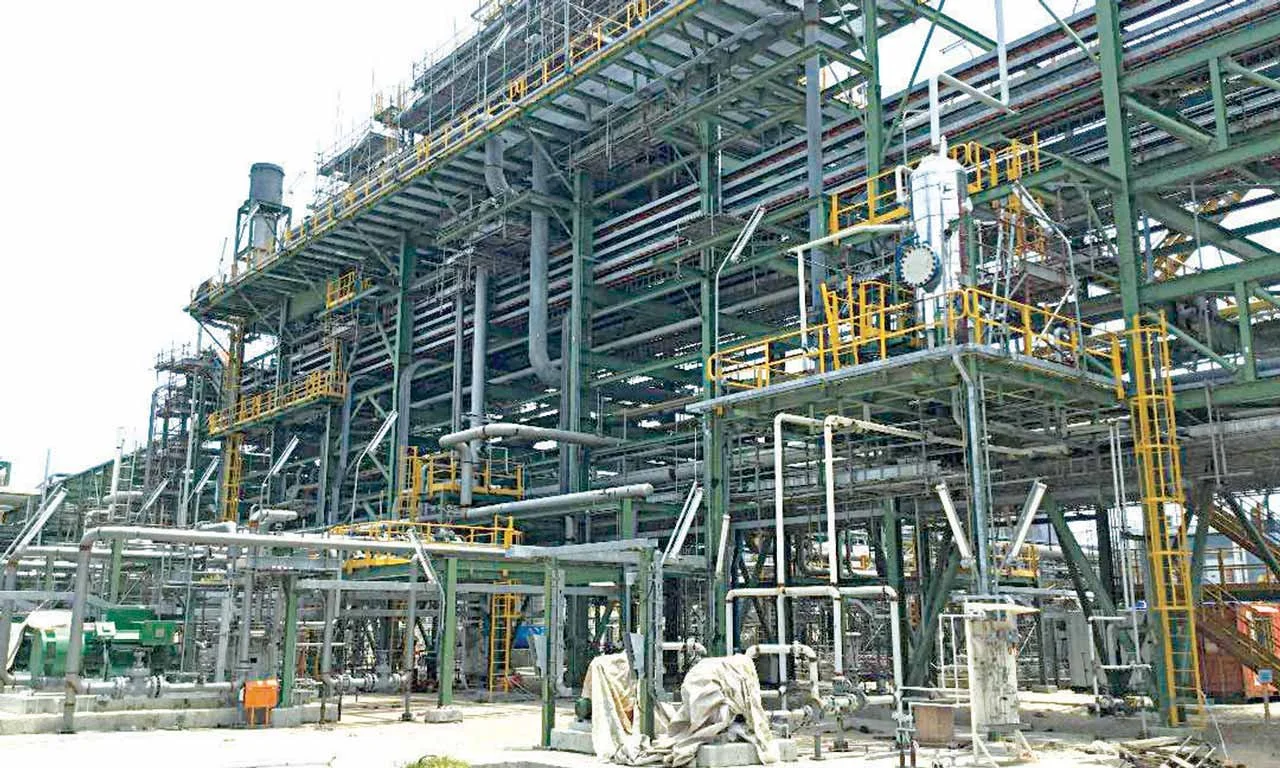
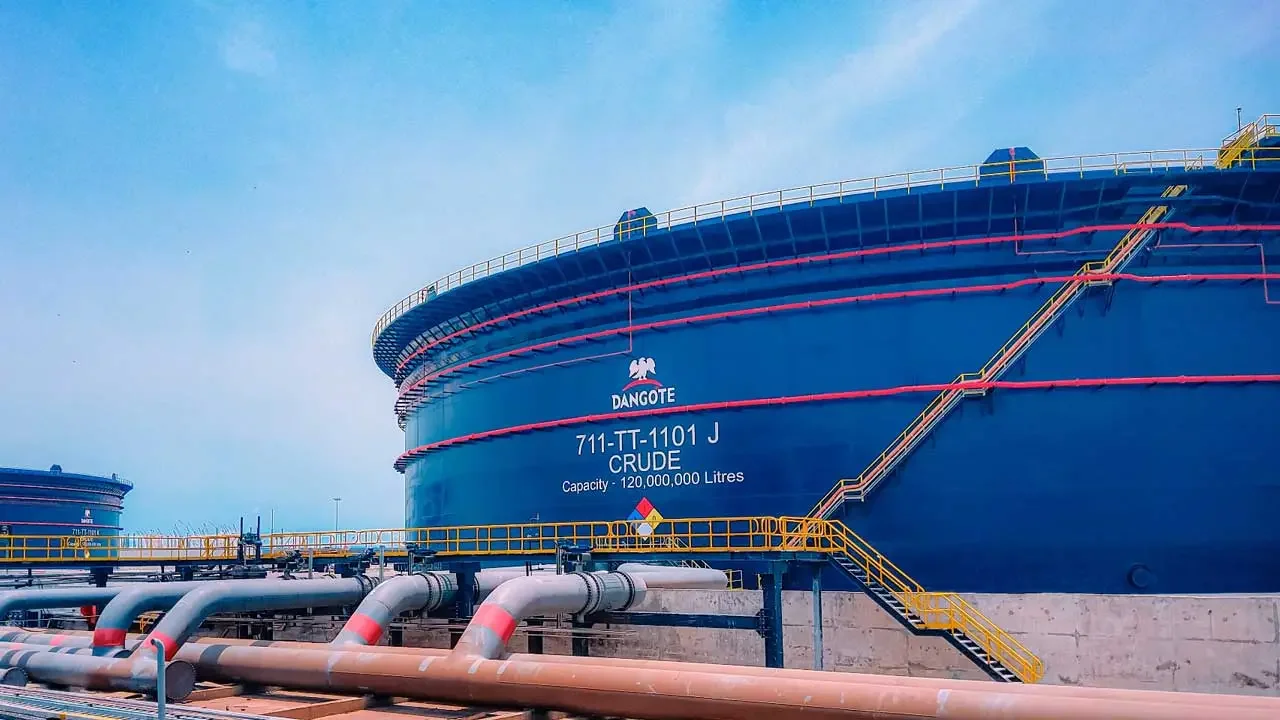
A significant portion of the projected FDI inflows is expected to come from Nigeria’s energy sector, particularly deepwater oil and gas projects.
Earlier in 2026, President Tinubu approved fiscal incentives designed to unlock the Final Investment Decision (FID) on the Bonga Southwest Aparo (BSWA) deepwater project, operated by Shell through its Nigerian subsidiary.
The project alone is projected to attract approximately $20 billion in foreign direct investment while supporting expanded offshore oil production and infrastructure development.
According to the Nigerian National Petroleum Company Limited (NNPC Ltd), the BSWA project is expected to produce about 150,000 barrels of crude oil per day and generate more than 140 million standard cubic feet of gas daily once operational.
Industry experts say renewed activity in deepwater projects could help restore investor confidence in Nigeria’s oil and gas sector after years of delayed investment decisions caused by fiscal uncertainty and regulatory disputes.
Tinubu Calls for Greater African Economic Cooperation
Beyond Nigeria’s investment outlook, Tinubu used the Africa CEO Forum to advocate for stronger economic collaboration among African countries.
The president urged African governments to expand intra-African trade, prioritise local value addition, and reduce dependence on raw commodity exports.
Tinubu argued that African economies must move beyond exporting raw materials while importing finished products at significantly higher costs. He also called for more effective implementation of the African Continental Free Trade Area (AfCFTA).
According to the president, African countries should increasingly trade in local currencies and collaborate more effectively to maximise the continent’s economic resources.
Analysts note that regional trade integration remains a major policy objective across Africa as governments seek to strengthen industrialisation, manufacturing capacity, and cross-border investment flows.
Investment Outlook Improves Amid Macroeconomic Challenges
Nigeria’s improving investment outlook comes despite ongoing economic challenges, including inflation, debt servicing pressures, and exchange rate volatility.
Reuters recently reported that Nigeria is projected to spend approximately $11.6 billion on debt servicing in 2026, accounting for nearly half of projected government revenue.
Tinubu has repeatedly argued that reforms currently being implemented are necessary to reposition Nigeria’s economy for long-term growth and improve competitiveness within global investment markets.
Economic analysts say foreign investors continue to monitor Nigeria’s monetary stability, fiscal discipline, energy reforms, and regulatory consistency before making large-scale long-term investment commitments.
The World Bank and other international financial institutions have also highlighted the importance of policy continuity, infrastructure investment, and institutional reforms in sustaining Nigeria’s investment recovery trajectory.
Infrastructure and Real Estate Sectors Could Benefit
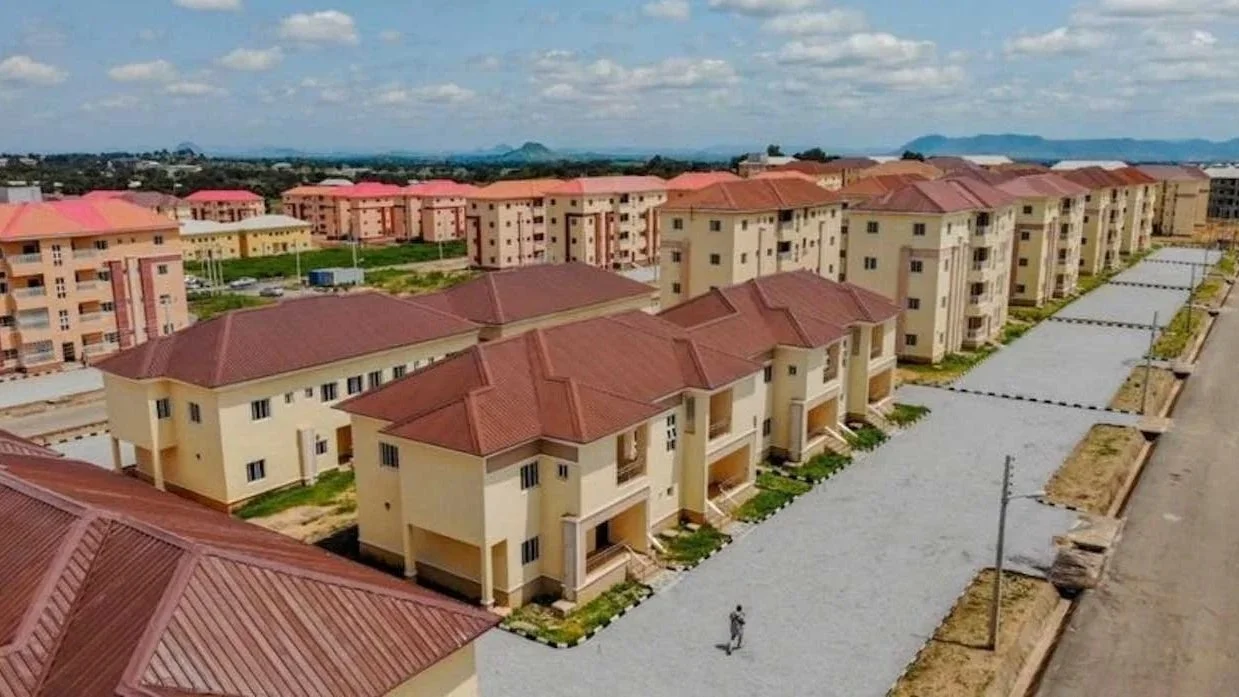
Rising foreign investment inflows could have broader implications for Nigeria’s infrastructure, housing, and real estate sectors.
Analysts say stronger capital inflows may improve financing opportunities for large-scale infrastructure projects, industrial parks, logistics hubs, and urban development initiatives.
The Federal Government has increasingly promoted public-private partnerships across housing, transportation, energy, and industrial development as part of wider efforts to close Nigeria’s infrastructure deficit.
Increased investor confidence could also support growth within construction, manufacturing, telecommunications, and technology sectors, which remain critical to Nigeria’s long-term economic diversification agenda.
Outlook
President Tinubu’s projection of nearly $20 billion in foreign direct investment reflects growing optimism around Nigeria’s reform-driven economic agenda and investment recovery efforts.
While macroeconomic pressures and structural challenges remain significant, recent policy reforms and renewed activity in strategic sectors such as energy and infrastructure appear to be improving investor sentiment.
Analysts say sustaining investor confidence will depend on continued regulatory stability, infrastructure expansion, currency management, and effective implementation of ongoing economic reforms in the coming years.
READ MORE