Wike Vows to Impound, Auction Commercial Vehicles Operating Outside Bus Terminals
Wike Orders Crackdown on Commercial Vehicles Loading Outside Abuja Terminals
The Minister of the Federal Capital Territory (FCT), Nyesom Wike, has ordered a tougher enforcement approach against commercial vehicles that load and drop passengers outside designated bus and taxi terminals in Abuja. He warned that operators who continue to violate the regulation risk having their vehicles impounded and auctioned.
/ You Might Also Like /




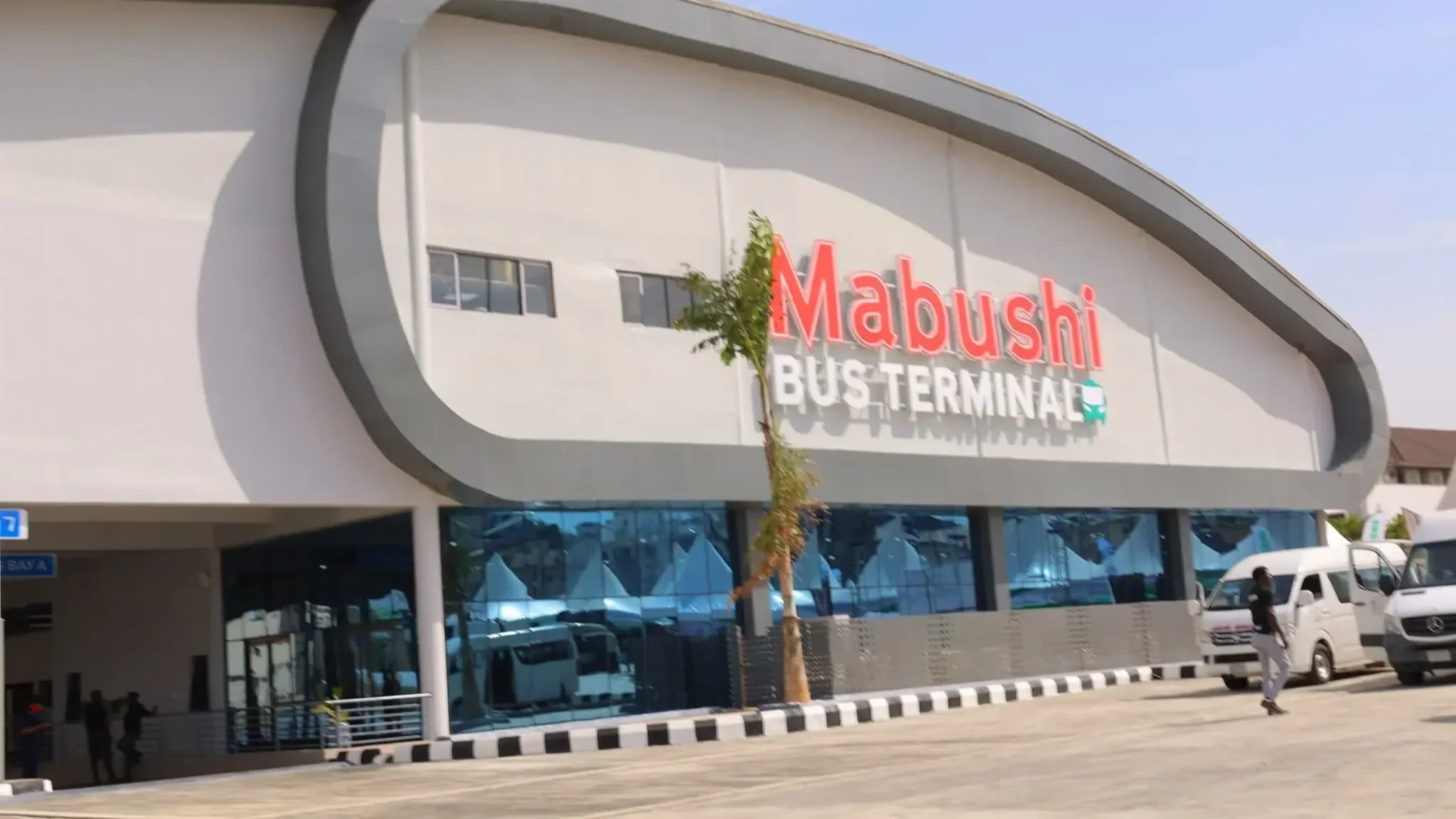
Wike issued the warning on Saturday, August 22, 2026, after inspecting ongoing infrastructure projects in the capital. He said the Mabushi and Central Business District bus and taxi terminals were already operational and should serve as the approved locations for commercial passenger loading.
FCT Moves Against Illegal Roadside Loading
The enforcement is targeted at commercial transport operators who continue to load passengers along roads rather than using designated terminals.
Wike said previous approaches to enforcement had not achieved the required level of compliance and argued that stronger measures were necessary to address persistent traffic violations.
According to the minister, commercial vehicles must use accredited terminals for passenger loading. He warned that operators who disregard the directive would face sanctions, including vehicle impoundment and auction.
The policy is part of the FCT Administration's wider efforts to improve traffic management and restore order along major roads in Abuja.
Mabushi and CBD Terminals Already Operational
Wike specifically pointed to the Mabushi and Central Business District bus and taxi terminals as facilities that commercial operators can use.
The administration's position is that the availability of designated terminals removes the justification for roadside passenger loading, which can contribute to congestion and disrupt traffic movement.
The minister's warning suggests that the FCT Administration intends to move from repeated warnings towards direct enforcement against operators who fail to comply.
Traffic Management Linked to Urban Development
The crackdown also has implications for Abuja's wider urban development.
Unregulated roadside loading can create congestion around commercial areas, residential neighbourhoods and major transport corridors. Persistent traffic disruption can affect journey times, road safety and the efficiency of movement between residential districts and employment centres.
For a rapidly expanding capital city, effective public transport management is therefore an important part of urban planning.
The FCT Administration has simultaneously been investing in road infrastructure and transport-related projects. Wike has previously said the government is targeting the completion of several major road projects across the territory, including connections designed to improve movement between Abuja and satellite communities.
Transport Terminals Could Support More Orderly Urban Growth
Well-managed transport terminals can play a broader role in shaping urban development.
When passenger loading takes place at designated facilities, traffic authorities can better manage vehicle movements and reduce the pressure created by informal transport stops along major roads.
This can also improve the relationship between transport infrastructure and surrounding commercial and residential developments.
For property developers and investors, reliable transportation networks remain an important consideration when assessing the accessibility and development potential of different parts of the FCT.
Enforcement Could Affect Commercial Transport Operators
The proposed impoundment and auction policy represents a significant risk for operators who continue to disregard the terminal requirement.
Commercial vehicle owners may therefore need to adjust their operations to comply with the FCT's designated loading arrangements and avoid penalties.
At the same time, effective enforcement will depend on consistent implementation across different parts of the capital and clear communication of the approved transport rules.
Wider Infrastructure Programme Continues
The warning comes as the FCT Administration continues to accelerate infrastructure delivery across Abuja and its satellite communities.
Wike recently expressed confidence that 10 completed infrastructure projects could be inaugurated before the end of the year. Among the projects under inspection were the Tungan Madaki-Zuba Road and the Nile University to Ring Road III corridor.
The administration has also continued work on major road connections intended to improve access to satellite communities and reduce congestion on existing routes.
These projects form part of a broader effort to expand the FCT's infrastructure network as population and economic activity continue to grow.
Implications for Abuja's Built Environment
The enforcement of designated transport terminals is relevant to the wider management of Abuja's built environment.
Transport systems, road networks, land use and property development are closely connected. Poorly managed passenger loading can undermine road capacity, while improved transport planning can strengthen connectivity between residential areas, commercial districts and employment centres.
For Abuja, where new residential and commercial districts continue to expand beyond the traditional city centre, integrating transport infrastructure with land-use planning will remain important.
Outlook
Wike's threat to impound and auction commercial vehicles operating outside designated terminals signals a tougher phase of transport enforcement in Abuja. The FCT Administration is seeking to compel operators to use approved facilities while reducing roadside loading and improving traffic management.
For Abuja's growing urban environment, the effectiveness of the policy will depend on sustained enforcement, adequate terminal capacity and continued investment in roads and public transport infrastructure. If properly implemented, better-managed transport corridors could support smoother mobility and more orderly development across the capital.
READ MORE