FG Targets Power Sector Reforms to Expand Electricity Access
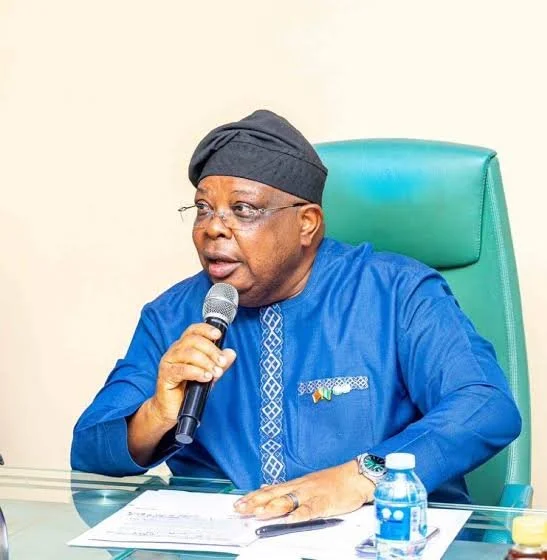
Minister of Power Joseph Tegbe has pledged that the Federal Government will take necessary steps to expand electricity access across Nigeria, saying the administration recognises the difficulties households and businesses face because of unreliable power supply.
Tegbe made the commitment during an interview with Arise Television on Monday, November 23, 2026. He said electricity provision involved both commercial and social responsibilities, adding that the government understood the impact of poor supply on Nigerians.
/ You Might Also Like /




The minister also identified human and institutional challenges as major obstacles to improving the country's power sector, arguing that technical problems account for only 20 per cent of the challenges, while human factors account for the remaining 80 per cent.
Tegbe Identifies Human Challenges in Power Sector
Tegbe said Nigeria's electricity problems extend beyond infrastructure and technical limitations, pointing to the way institutions and stakeholders manage the sector.
He argued that previous interventions had often directed funding towards the wrong priorities without adequately addressing the underlying problems.
According to the minister, the government must focus on identifying and resolving the factors that prevent existing investments and infrastructure from delivering better electricity supply.
His comments suggest that the administration intends to place greater emphasis on institutional performance and the effective use of available resources as part of its power-sector approach.
FG Rules Out Electricity Tariff Increase
The minister also said the Federal Government had no plan to increase electricity tariffs, stressing that improving access to power remained its immediate priority.
He maintained that a tariff increase was not under consideration, while identifying the sector's legacy debt as one of the major issues requiring attention.
The government has previously acknowledged the financial obligations owed to electricity generation companies and the need to address the debts to improve the sector's financial position.
The minister's position places the emphasis on improving electricity supply without introducing another tariff increase for consumers.
Reliable Electricity Remains a Challenge for Businesses and Households
Nigeria's electricity supply challenges continue to affect households, manufacturers, commercial property operators and businesses that depend on alternative power sources to maintain operations.
Unreliable grid supply increases operating expenses as businesses invest in generators, fuel and other backup energy systems. These costs can also influence production, service delivery, rental operations and the overall cost of doing business.
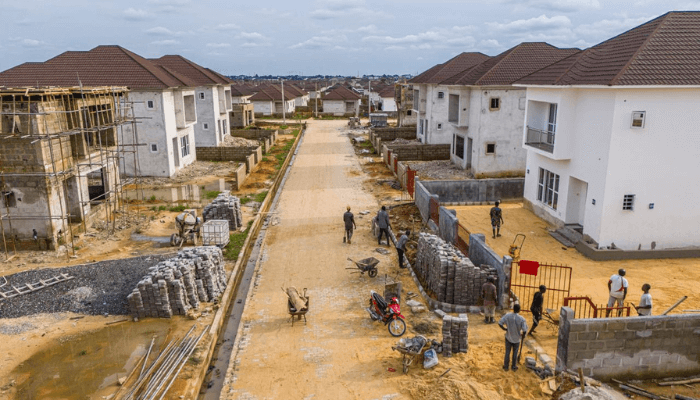
For the real estate sector, electricity reliability remains an important consideration for property development and investment. Developers and property managers often factor the cost of alternative power infrastructure into construction, service charges and rental pricing.
More dependable electricity could reduce some of these costs, improve the attractiveness of commercial and residential developments, and support investment in energy-intensive businesses.
However, Tegbe's pledge does not yet provide specific delivery targets, implementation timelines or measurable improvements in electricity supply. The impact of the government's approach will ultimately depend on whether it can address the sector's institutional, financial and technical constraints and translate its commitments into more reliable power for consumers.
READ MORE