10 Most Developed Cities in Africa: The Ultimate Infrastructure & Livability Guide
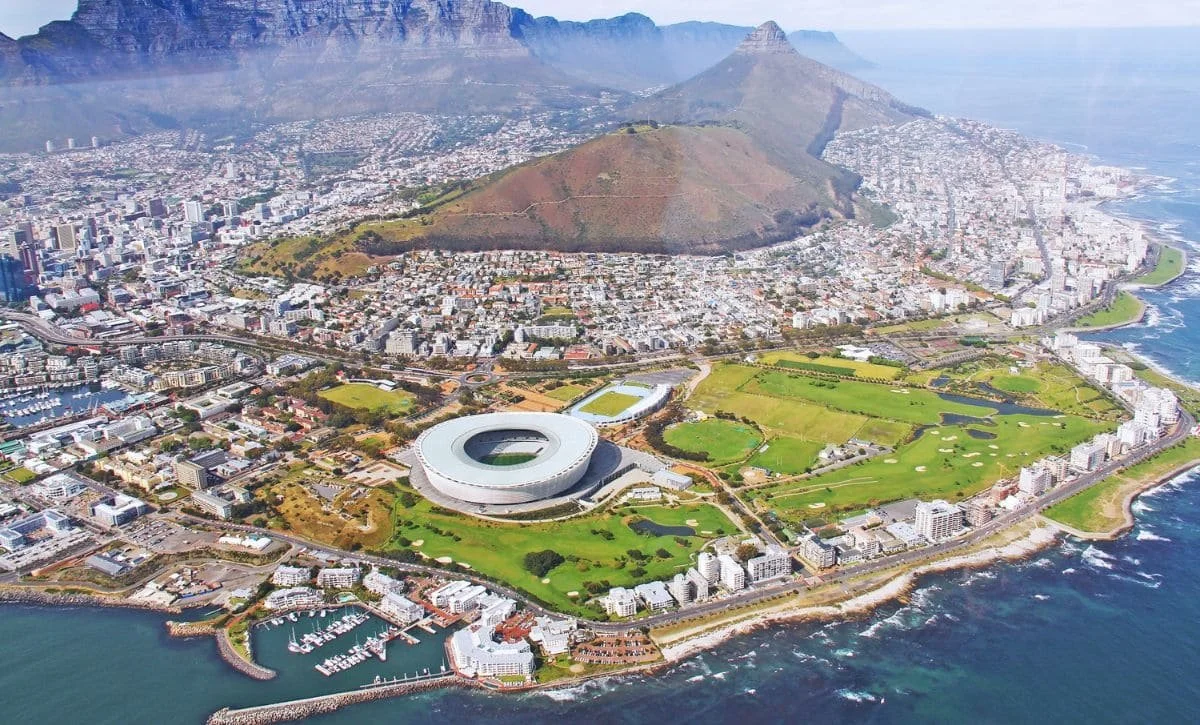
Africa is undergoing a historic urban transition. Once viewed solely through the lens of emerging markets, the continent now boasts megacities and urban centers that rival global hubs in infrastructure, digital connectivity, and real estate development. Driven by foreign investment, a booming tech sector, and aggressive state-led development plans, African cities are redefining modern urban living.
Whether you are an international investor, a digital nomad, or looking to relocate, knowing which cities offer the highest standards of living and infrastructure is key. Based on economic data, the African Development Bank’s Infrastructure Index, and urban livability scores, here are the 10 most developed cities in Africa.
1. Cape Town (South Africa)
Regularly topping global travel and livability indices, Cape Town is a masterpiece of urban design blending natural beauty with world-class infrastructure. The city features highly efficient public transit networks, an advanced tech ecosystem, and premier real estate along the Atlantic Seaboard. Its robust electrical grid, clean public spaces, and sophisticated financial districts make it a top destination for international expats and businesses.
2. Port Louis (Mauritius)
Port Louis, the capital of Mauritius, is often described as the financial jewel of the Indian Ocean. Benefiting from the country’s status as one of Africa’s most politically stable and high-income economies, the city boasts pristine, European-standard infrastructure. It features an incredibly clean urban layout, seamless digital connectivity, zero-tolerance security, and a booming offshore banking sector.
3. Johannesburg (South Africa)
Johannesburg, the "City of Gold," is the undisputed financial capital of Africa. Hosting the continent’s largest stock exchange (the JSE), its skyline is a sprawling testament to corporate wealth and modern architecture. Districts like Sandton often called "Africa’s richest square mile"—offer unparalleled retail, luxury housing, and corporate infrastructure that rival Western business capitals.
4. Tunis (Tunisia)
Tunis is one of North Africa's most meticulously organized and highly developed metropolises. The city masterfully integrates its historical heritage with modern, French-inspired urban planning. Tunis features expansive highway networks, highly rated healthcare systems, public tram lines, and an rapidly expanding industrial and tech-manufacturing corridor.
5. Cairo (Egypt)
As Africa’s largest metropolis, Cairo is a fascinating blend of ancient heritage and aggressive modern development. The city has undergone a massive infrastructural overhaul, highlighted by the construction of the New Administrative Capital just outside its borders. Boasting extensive metro lines, massive flyovers, and luxury real estate developments along the Nile, Cairo remains a dominant economic powerhouse.
6. Nairobi (Kenya)
Known globally as the "Silicon Savannah," Nairobi is East Africa’s undisputed technology and logistics hub. The city has seen exponential growth due to massive investments in its transport sector, including the Nairobi Expressway and regional rail networks. Premium neighborhoods like Westlands and Kilimani host international tech giants, innovative startups, and upscale residential high-rises.
7. Abidjan (Ivory Coast)
Abidjan, the "Paris of West Africa," is famous for its stunning lagoon-side skyline and highly developed commercial architecture. As a primary economic engine for Francophone Africa, the city features major deep-water port infrastructure, smooth multi-lane highways, and premium dining and corporate facilities in districts like Le Plateau and Cocody.
8. Kigali (Rwanda)
Kigali has earned global renown as the cleanest and safest city on the African continent. Rwanda's capital is a shining example of structured urban governance. With flawless paved roads, zero-tolerance policies on litter, automated traffic systems, and a green urban master plan, Kigali is rapidly transforming into Africa’s premier destination for international conferences and eco-conscious tech hubs.
9. Gaborone (Botswana)
Backed by decades of stable governance and diamond-driven wealth, Gaborone is a peaceful, highly modern, and rapidly growing city in Southern Africa. It boasts exceptional public infrastructure, top-tier healthcare facilities, and low crime rates. The city's business districts feature contemporary architecture and a highly supportive investment climate for global businesses.
10. Abuja (Nigeria)
Abuja, the capital city of Nigeria, rounds out the list as a purpose-built, planned city. Developed mostly using a highly structured master plan, Abuja avoids the intense congestion found in other regional megacities. It features some of the finest asphalt road networks in West Africa, heavy security, and affluent neighborhoods like Maitama and Asokoro that feature premium, high-end real estate assets.
| Rank | City | Country | Primary Strength |
|---|---|---|---|
| 1 | Cape Town | South Africa | Livability & Urban Design |
| 2 | Port Louis | Mauritius | Offshore Finance & Stability |
| 3 | Johannesburg | South Africa | Corporate Wealth & Finance |
| 4 | Tunis | Tunisia | Public Transit & Logistics |
| 5 | Cairo | Egypt | Mega Infrastructure Projects |
| 6 | Nairobi | Kenya | Tech Ecosystem (Silicon Savannah) |
| 7 | Abidjan | Ivory Coast | Skylines & Maritime Trade |
| 8 | Kigali | Rwanda | Cleanliness, Safety & Eco-Planning |
| 9 | Gaborone | Botswana | Public Utilities & Safety |
| 10 | Abuja | Nigeria | Centralized Master Plan Roads |
Conclusion
The evolution of Africa's urban centers proves that sustainable growth, economic opportunity, and structural maturity are rapidly expanding across the continent. While Southern African hubs like Cape Town and Johannesburg leverage deep-rooted financial infrastructure, East and West African contenders like Nairobi, Kigali, and Abidjan are utilizing innovative tech expansions and eco-friendly governance to bridge the development gap. For global investors and professionals, these cities represent the frontiers of African prosperity and innovation.