Cardoso Seeks Bigger Nigerian Role in ECOWAS Single Currency Plan
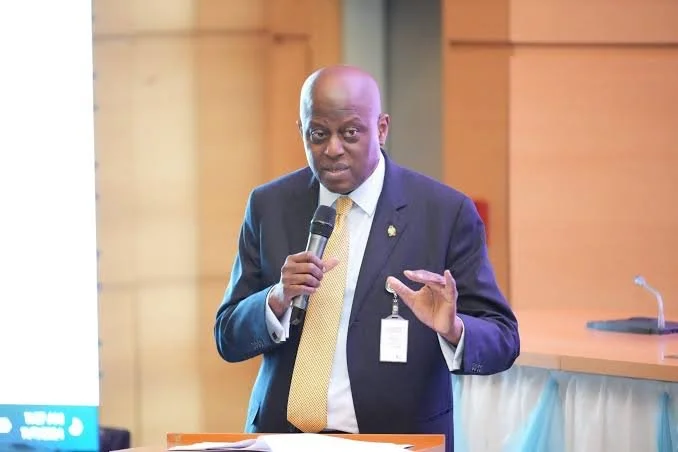
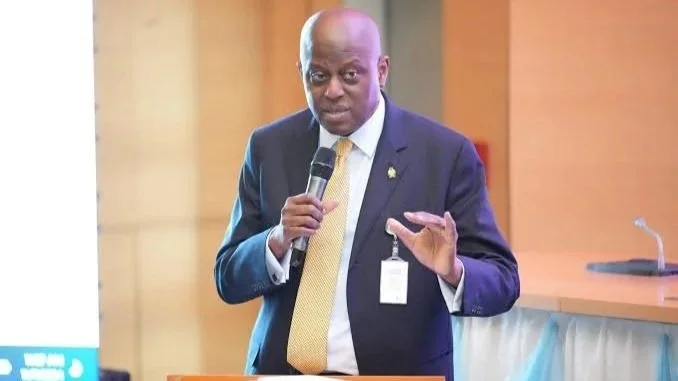
The Central Bank of Nigeria (CBN) Governor, Olayemi Cardoso, has called for greater representation for Nigeria in the governance of the proposed ECOWAS Monetary Union, arguing that countries making larger financial contributions should have a corresponding influence over decisions concerning the regional currency.
/ You Might Also Like /




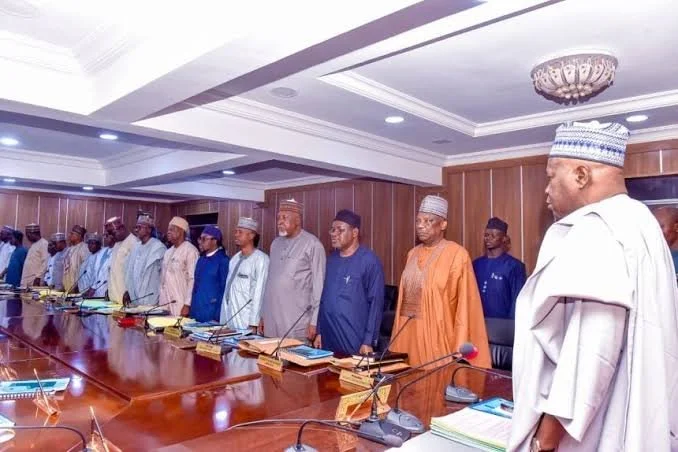
Cardoso made the demand on November 20, 2026, while representing Nigeria at the Ministerial Session of the sixth Presidential Task Force Meeting on the ECOWAS Single Currency Programme in Abidjan, Côte d’Ivoire.
The meeting brought together finance ministers and central bank governors from participating countries to discuss institutional arrangements and preparations for the proposed phased introduction of the ECO single currency from 2027.
According to a statement released by the CBN on November 22, Cardoso said Nigeria's financial commitments, economic significance and exposure to risks associated with the proposed monetary bloc should determine its level of participation in the institutions overseeing the currency.
CBN Wants Financial Contributions Reflected in Governance
Cardoso argued that the proposed monetary union must balance the sovereign equality of member states with the financial responsibilities and risks each country assumes.
He maintained that larger economies making substantial contributions to the establishment and operation of the currency should receive meaningful representation in decision-making.
According to him, countries carrying greater financial obligations must also be able to justify those commitments to their respective parliaments and civil societies.
He warned that a monetary arrangement in which countries share financial responsibilities without receiving corresponding influence could face difficulties maintaining long-term support.
Cardoso said Nigeria's position was not motivated by a desire to dominate other participating countries but by its responsibilities as West Africa's largest economy and one of the principal contributors to the proposed monetary union.
Nigeria Highlights Financial and Institutional Commitments
The CBN governor said Nigeria had demonstrated its commitment to the ECOWAS Monetary Cooperation Programme through financial contributions, technical support and compromises made to achieve regional consensus.
He added that the country would commit substantial financial resources, foreign reserves and institutional capital towards establishing the ECO.
Cardoso argued that these commitments made it reasonable for Nigeria's responsibilities, accountability and participation in governance to reflect the scale of its contribution.
He nevertheless reaffirmed Nigeria's commitment to regional cooperation and respect for the sovereignty of other member states.
He said the country remained committed to a monetary union that would be credible, sustainable and beneficial to all participating countries.
Governance Arrangements Emerge as Major Issue Ahead of ECO
Discussions among ECOWAS member states have increasingly focused on the institutional structure required to operate the proposed monetary union.
According to Cardoso, key issues include the location of the union's institutions, leadership appointments and the distribution of authority and responsibilities among participating countries.
These decisions will determine how the proposed monetary union operates and how member states participate in its administration.
The CBN governor said the governance framework would also influence investor confidence, development partners' perceptions and the willingness of member states to sustain their financial commitments.
He urged delegates to approach negotiations with openness, mutual respect and a willingness to compromise, stressing that every participating country must have a meaningful stake in the union's success.
ECOWAS Advances Preparations for 2027 Single Currency
The proposed ECO forms part of ECOWAS' longstanding efforts to establish a common currency and deepen economic integration across West Africa.
Preparations gained momentum earlier in 2026 when central bank governors from 12 West African countries, including Nigeria, met in Monrovia, Liberia, to advance technical and institutional arrangements for the proposed currency.
The discussions covered policy harmonisation, governance structures and operational frameworks needed to support its introduction.
In September 2026, ECOWAS also directed its Commission to convene a meeting of the Presidential Task Force to accelerate preparations for the ECO.
The proposed currency is expected to facilitate cross-border trade, reduce transaction costs, strengthen monetary cooperation and support economic integration among participating countries.
However, the proposed 2027 introduction will require agreement on institutional governance and other operational arrangements, alongside the economic and monetary conditions necessary for a functioning currency union.
Nigeria's latest position highlights the importance of resolving how financial contributions, decision-making authority and institutional responsibilities will be distributed among member states.
As negotiations continue, the governance framework will remain a significant factor in determining the structure and long-term sustainability of the proposed West African monetary union.
READ MORE