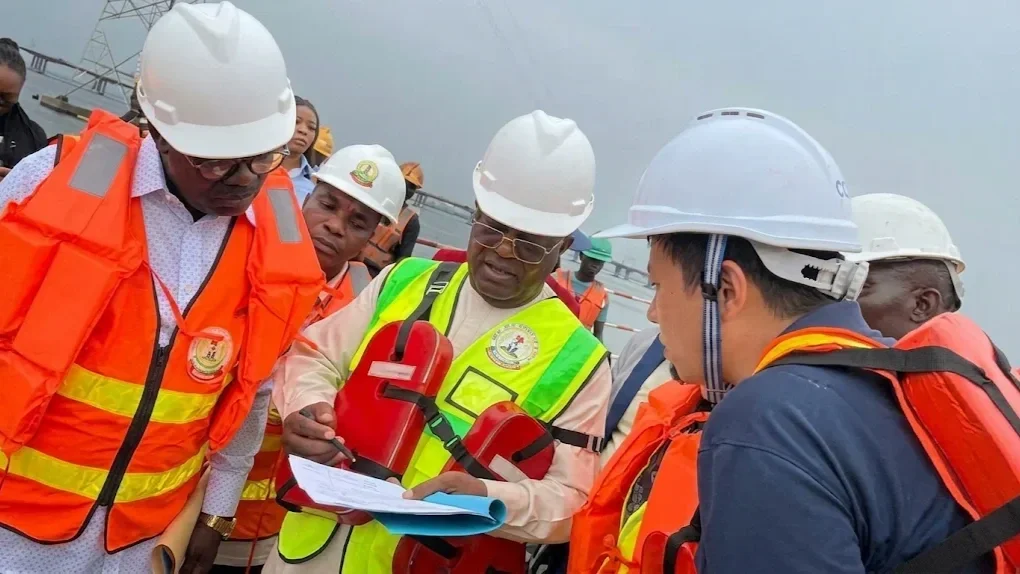
Umahi Defends Federal Borrowing During Coastal Highway Inspection
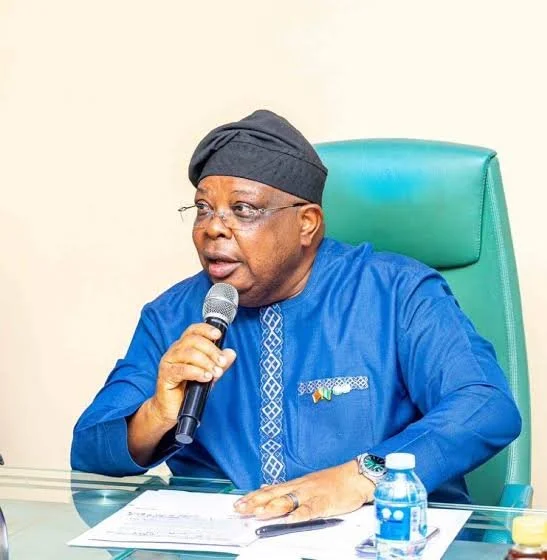
Minister of Works David Umahi has defended the Federal Government’s borrowing programme, saying funds obtained through external loans are being invested in infrastructure projects, including the Lagos-Calabar Coastal Highway.
/ You Might Also Like /




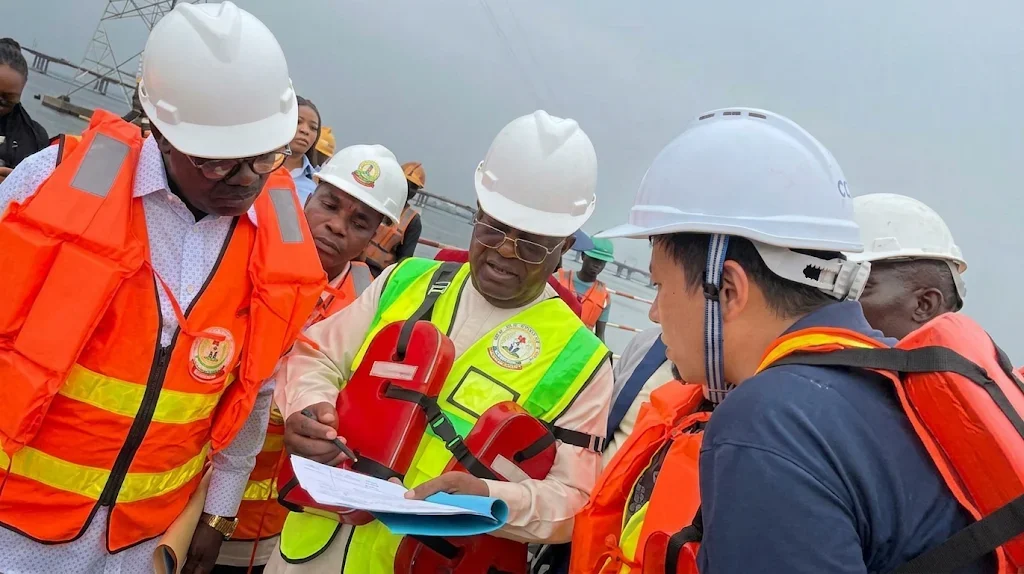
Umahi made the statement on Sunday, November 22, during an inspection of bridges along the coastal highway in Lagos. He said the administration intended to use major infrastructure projects to improve connectivity, support economic activities and generate revenue for the country.
The minister also disclosed that prospective investors had expressed interest in reimbursing the government for the money spent on the coastal highway in exchange for the opportunity to operate it as a toll road.
Umahi Defends Borrowing for Infrastructure Development
Umahi said the government was directing borrowed funds towards infrastructure rather than using them solely for recurrent expenditure.
He described the Lagos-Calabar Coastal Highway as a major national investment and said the project would provide opportunities for private-sector participation.
According to the minister, some investors had approached the government with proposals to refund the expenditure incurred on the highway in return for tolling rights. However, he said the government was still considering the proposals and working on additional facilities for the corridor.
These facilities could include CCTV surveillance, rest areas, tourism infrastructure, factories and other commercial developments.
Umahi said the government intended to develop the highway as an economic corridor capable of generating returns beyond toll revenue.
Government Highlights Progress on Coastal Highway
During the inspection, Umahi highlighted progress on sections of the Lagos-Calabar Coastal Highway, which is designed to connect communities and economic centres along Nigeria’s coastline.
He said Section One had been completed several months earlier, while Section Two, covering approximately 53 kilometres, had also been completed.
The minister listed solar-powered streetlights, underground drainage and pedestrian walkways among the infrastructure features incorporated into the completed sections.
He said the broader project would improve movement between Lagos and other coastal states when completed.
Other Federal Road Projects Underway
Umahi also provided updates on other major federal highway projects.
He said construction of the 1,068-kilometre Sokoto-Badagry Superhighway had reached approximately 30 per cent completion, while the 465-kilometre Trans-Sahara Road project was about 20 per cent complete.
He added that work was progressing on the Akwanga-Jos-Bauchi-Gombe-Biu-Maiduguri Road.
The minister said the Sokoto-Badagry corridor would incorporate more than 67 dams intended to support electricity generation and agricultural irrigation.
He also identified the use of concrete pavement and solar energy as potential sources of carbon-credit revenue from the infrastructure programme.
Tinubu Seeks Approval for $7.71 Billion External Loans
Umahi’s comments come as President Bola Tinubu has asked the House of Representatives to approve access to $7.71 billion, equivalent to approximately ₦10.79 trillion, in external loans captured in the 2026 Appropriation Act.
The request was contained in a letter to the Speaker of the House of Representatives, Tajudeen Abbas, and was read during plenary.
The proposed borrowing is intended to finance part of the Federal Government’s budget deficit and projects across sectors including defence, transportation, agriculture, power, education and health. Eurobond issuance is expected to be a major funding option.
The proposed loan approval has renewed attention on how the government allocates borrowed funds and the economic returns expected from infrastructure investments.
Coastal Highway Could Support Property and Commercial Development
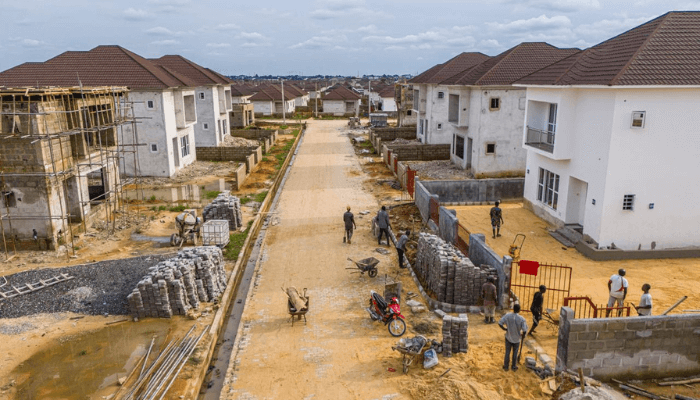
The Lagos-Calabar Coastal Highway has implications beyond transportation, particularly for property development, tourism and commercial investment along the coastal corridor.
Improved road connectivity could increase accessibility to areas along the route, support logistics and encourage investment in commercial facilities and real estate. The proposed development of rest areas, tourism facilities and industrial sites could also create new opportunities for private investors.
However, the scale of these benefits will depend on the project's completion, the quality of supporting infrastructure, the structure of private-sector participation and the commercial viability of developments along the corridor.
For the housing and real estate market, the potential impact will also depend on how improved accessibility translates into demand for land and property, while coastal exposure, drainage and environmental risks remain important considerations for development.
READ MORE